
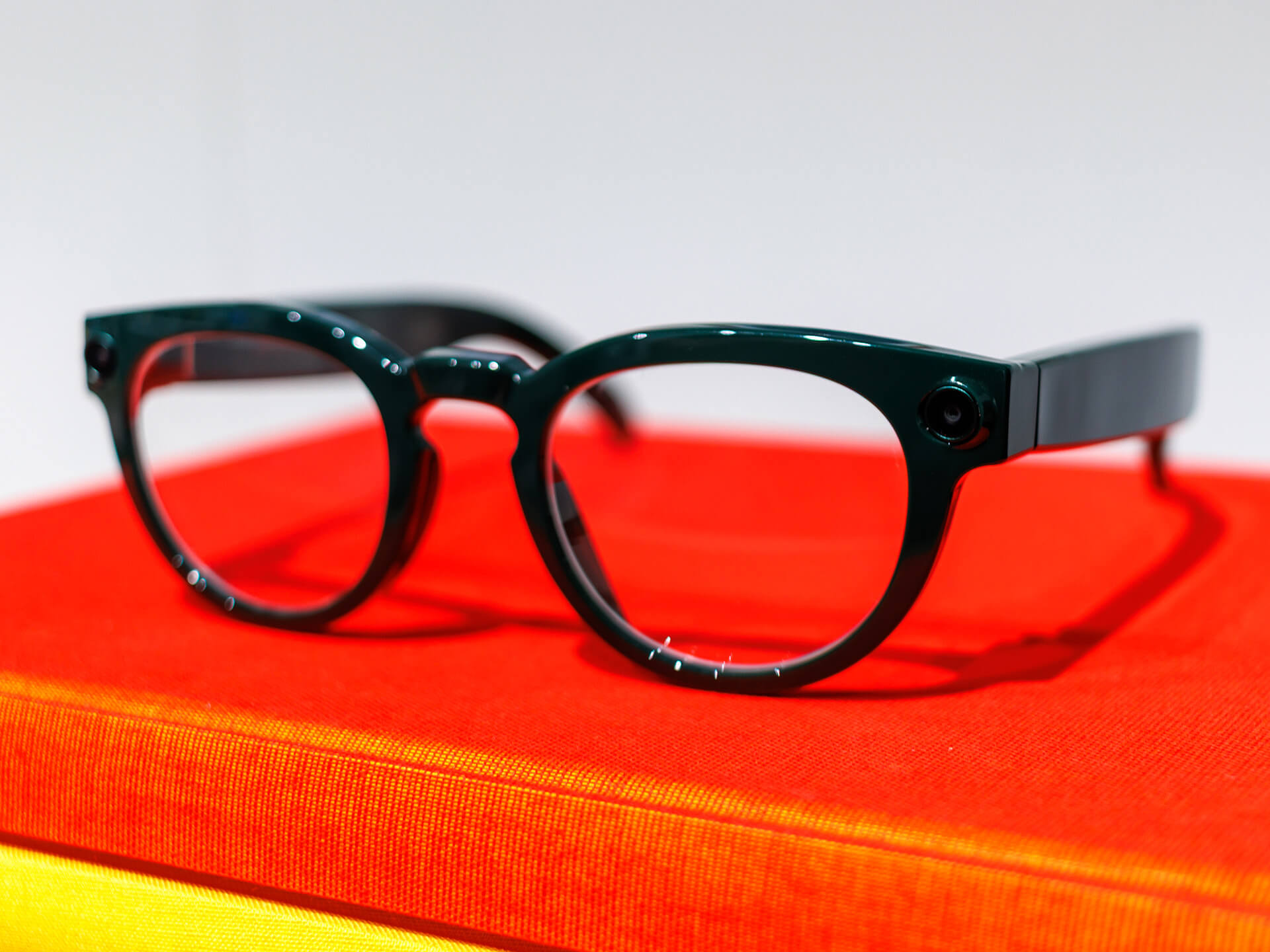
The glasses, made by Samsung and shown in frames from Warby Parker and Gentle Monster, run Android XR. In tests, Gemini translated French, Spanish, Korean and German speech in real time without requiring the wearer to select languages in advance. It also translated a conversation between English and Thai speakers into Japanese. Other demonstrations included adding a concert flyer’s details to Google Calendar, finding flight information and providing directions.
Google is also making privacy protections central to the product. The glasses redact faces before images reach Google’s servers, and the company says it will scrub ambient conversations, process only the wearer’s speech using beam-forming microphones and require opt-in access to the camera and microphone. Gemini refused to identify people in photos or video. Google’s senior director of product management for XR, Juston Payne, said the company would not use the glasses’ data to target ads or train Gemini, and that humans would not use it to improve the models.
Google also plans restrictions across its services: YouTube will act against harassment and unwanted sexualization, Google Shopping and Google Ads will bar sales or ads for privacy-LED covers, and Google Play policies will prohibit apps that enable social livestreaming or real-time facial identification. Apps seeking camera or microphone access will face additional review. Payne said these measures are intended to address risks beyond the glasses’ privacy light.


Comments (0)
No comments yet. Be the first!