
With households under pressure and public spending a source of political dispute, those losses consume money Europe needs elsewhere. Politicians who campaign on the cost of living must show they can reduce it; overlooking climate damage and fossil-fuel dependence means ignoring two forces pushing costs higher.
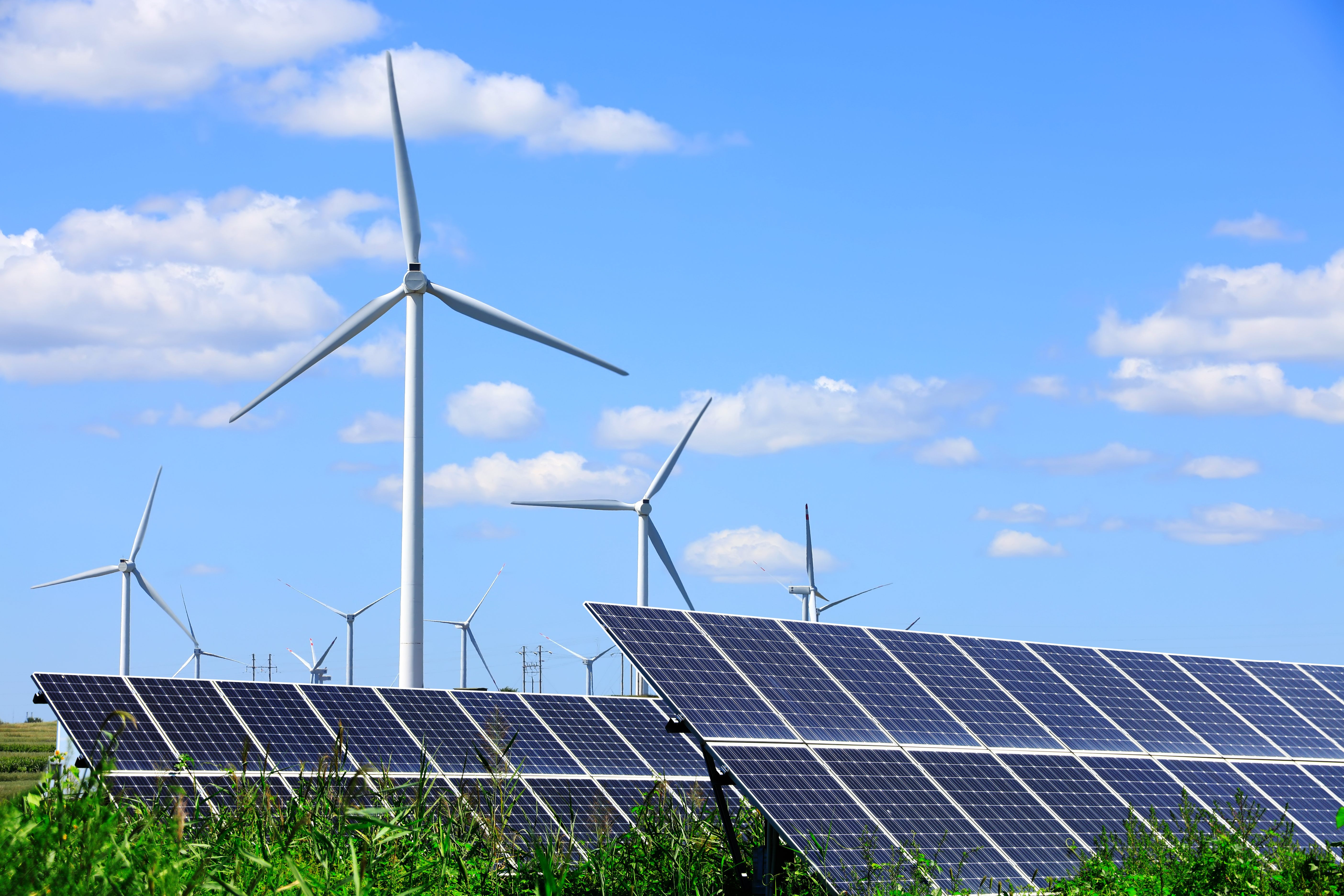
Electrifying transport, heating and industry with homegrown, low-carbon power offers an alternative. Clean sources supplied 71% of EU electricity in 2025, and wind and solar together generated more than fossil fuels for the first time. But progress varies. Spain’s renewable investment has reduced how often gas-fired plants set wholesale electricity prices. Since the gas-price shock in March, prices have stayed far lower there than in Italy, where gas still sets them more frequently. Italy’s main business lobby, Confindustria, has urged faster renewable deployment, warning manufacturers could move to countries with cheaper electricity.
Europe’s next steps require steady policy and investment. China’s more than 15 years of clear goals and stable policy have helped companies build expertise and supplier networks in clean technology. Europe will need time to develop similar capabilities, and investors need confidence that demand will continue to grow. Decisions by MEPs in 2027 on the carbon market and the next seven-year budget will shape that confidence. A credible Emissions Trading System could encourage greener production, with its revenues helping fund industrial modernization and clean power.



Comments (0)
No comments yet. Be the first!