
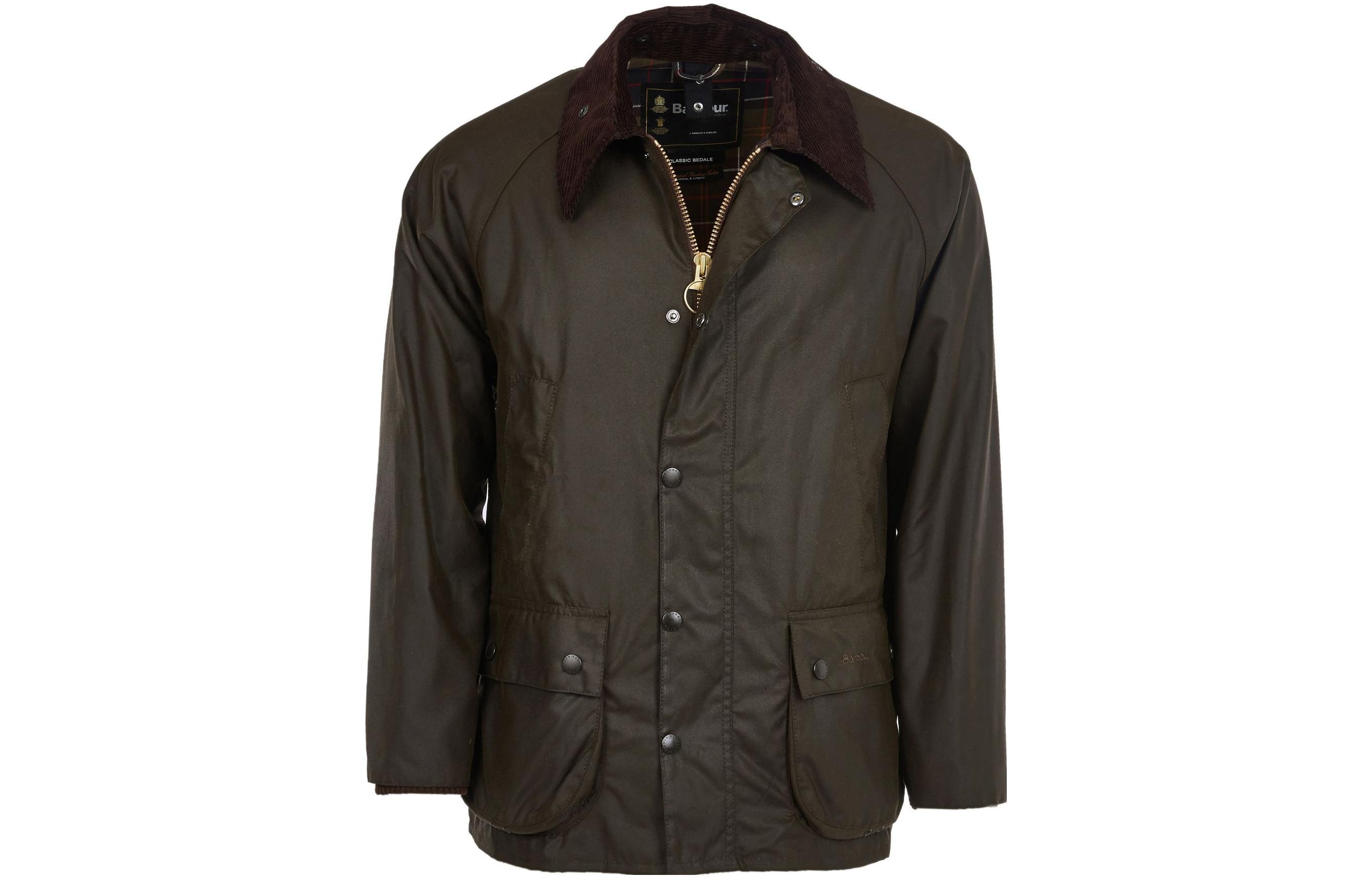
Parker’s career across Middle Eastern franchise groups, Tommy Hilfiger, Crocs and GANT shaped what he calls a “clear market thesis”: brands need to be present where culture and demand are formed, then turn that presence into relevance across retail, e-commerce and social media. At Barbour, he is tasked with aligning markets, partners, agencies and local teams around that aim.
The company’s Energy City strategy concentrates investment in places where it believes it can build awareness, cultural relevance and lasting commercial value. It is guided by Barbour’s 3L philosophy—learn, listen and localize—with teams across Asia, Europe, the Middle East and Africa, supported by an Asia-based designer. Parker says the goal is to balance global consistency with local needs, offering a full-year wardrobe rather than exporting one formula to every market.
Barbour’s Pan-Asian seasonal launch events bring markets together and are open to the public. The company says those experiences helped generate more than 3.6 billion social media impressions over the past year and contributed to record sell-out rates for new collections. Parker also points to partnerships with brand-building agency Karla Otto, which Barbour selected to support its marketing, and says growth must be balanced with stewardship. Chair Dame Margaret Barbour and Vice Chair Helen Barbour guide the company; in 1998, they worked with tartan specialists Kinloch Anderson to develop the family tartans associated with the brand.




Comments (0)
No comments yet. Be the first!