
Sundar Pichai first introduced the vision for ChromeOS in 2010, betting that the web browser would eventually replace traditional desktop software. The strategy relied on thin hardware and cloud-based applications, positioning the OS as the ultimate answer to local storage and processing needs. While the project achieved significant market penetration, it failed to capture the high-end hardware segment where power users reside.
Google pivots from ChromeOS to the new Googlebook OS
A 13-inch Dell clamshell sitting on Rick Osterloh’s desk signals the end of an era. As Google’s head of hardware, Osterloh is spearheading a transition away from the browser-centric philosophy of ChromeOS, introducing the Googlebook OS and a new lineup of high-performance devices to replace the company’s long-standing computing experiment.
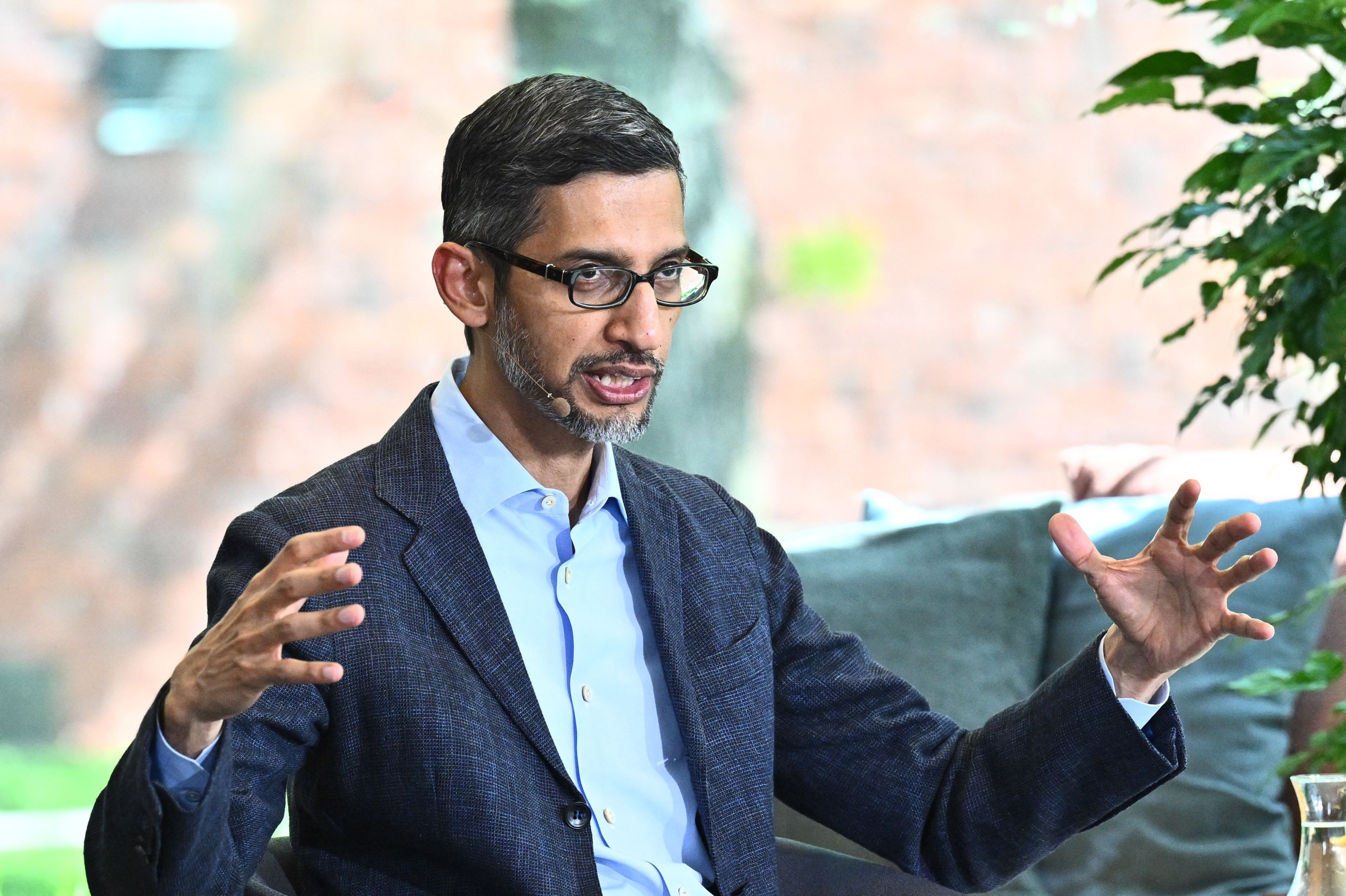
Osterloh’s new direction marks a departure from that singular focus. By consolidating development efforts that previously split resources between two operating systems, he aims to sharpen Google's hardware strategy. The new Googlebook OS represents a move toward more robust, traditional computing power, exemplified by the XPS Googlebook’s 16 gigabytes of RAM and advanced Qualcomm processors. For Google, this is a calculated attempt to shed the limitations of the browser-only model and capture the premium device market.


Comments (0)
No comments yet. Be the first!