
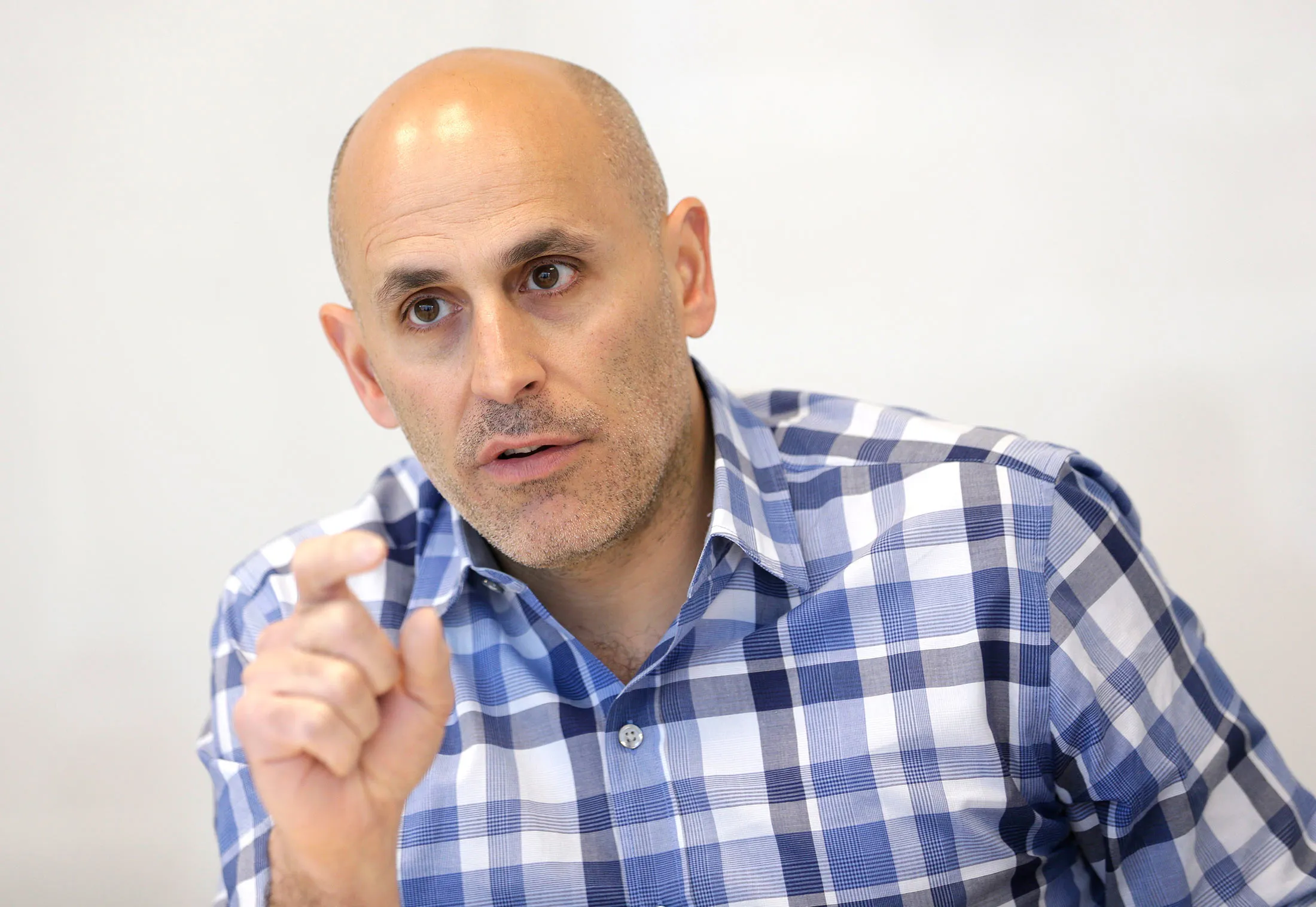
Schwartz arrived in 2018 with a mandate to modernize an organization that was historically product-driven rather than market-oriented. He diagnosed a bloated break-even point and initiated a 10 percent staff reduction over three years to restore profitability. By shifting the focus toward two specific growth engines—exporting circulating coins to international central banks and expanding the B2C collector coin market—the mint has successfully insulated itself from the decline of physical cash.
Diversification and global reach
The strategy relies on a clear distinction between these two segments. In the competitive B2B world of global tenders, the mint competes strictly on cost, quality, and delivery. Conversely, the collector market requires brand storytelling and emotional resonance, a shift that proved challenging for an institution steeped in centuries of tradition. This pivot has paid off, with international turnover now accounting for 40 percent of total business. Partnerships with raw material suppliers like Jindal Stainless and Poongsan Corporation allow the mint to project an output of 1.1 billion coins for 2025.




Comments (0)
No comments yet. Be the first!