
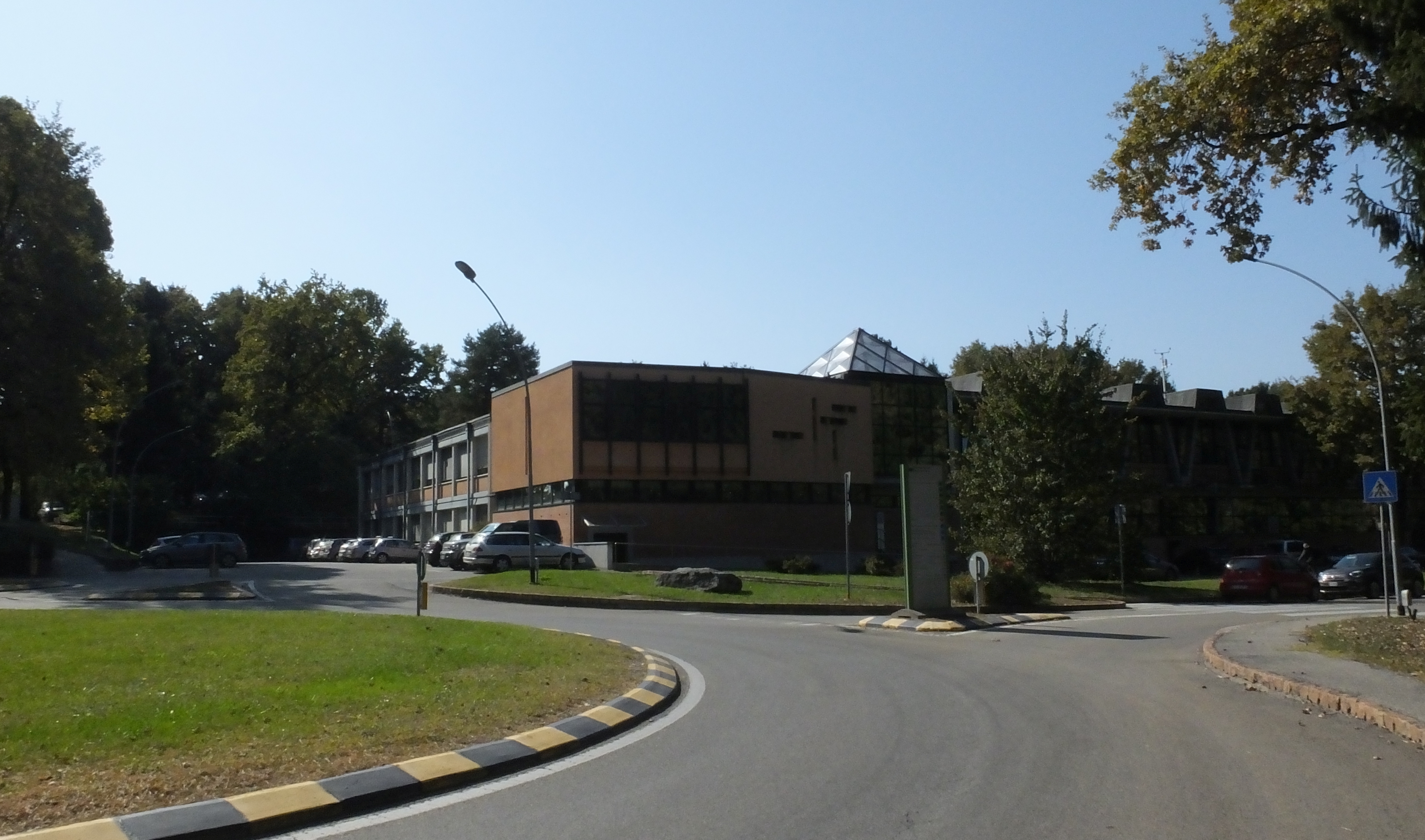
For decades, European nations developed security tools in isolation, leading to fragmented research and a reliance on fragmented supply chains. The Ispra campus aims to break this cycle by pooling resources for agencies like Europol and the European Defence Agency. Inside its 24 laboratories, researchers utilize massive testing infrastructure—including the world’s largest Hopkinson bar—to harden materials and structures against modern threats. These facilities are not merely for show; they support strategic initiatives like the IRIS² satellite network and provide critical testing grounds for major industry players like Leonardo and Airbus.
Despite these technical strides, a fundamental disconnect remains between invention and deployment. While the U.S. commits 12% of its military spending to R&D, European counterparts lag at roughly 3%. Experts point to a lack of risk appetite and a venture capital market that remains stifled for growth-stage startups. Procurement data highlights the concentration of power, with the largest contractors dominating up to 90% of military orders in key nations, leaving little room for smaller, more agile firms to enter the fold.



Comments (0)
No comments yet. Be the first!