
The centerpiece of the 18 Pro’s camera system is a variable aperture, capable of shifting between f/1.48, f/1.8, f/2.8, and f/4. While this mechanical addition offers genuine benefits—such as improved low-light performance at the wider end and increased depth of field for close-up shots—the impact remains marginal for most daily shooting. Apple has paired this with long-awaited manual controls for white balance, shutter speed, and focus within the native app, finally granting creative agency to those who want it. For everyone else, the software handles the adjustments automatically, ensuring the reliable, point-and-shoot experience that defines the platform.
The iPhone 18 Pro’s Subtle Evolution
The iPhone 18 Pro arrives as a study in iterative refinement, headlined by a moving aperture that promises technical gains while remaining largely invisible to the average user. Despite a $100 price hike, the device functions less like a revolutionary hardware leap and more like a camera that finally learns to share control.
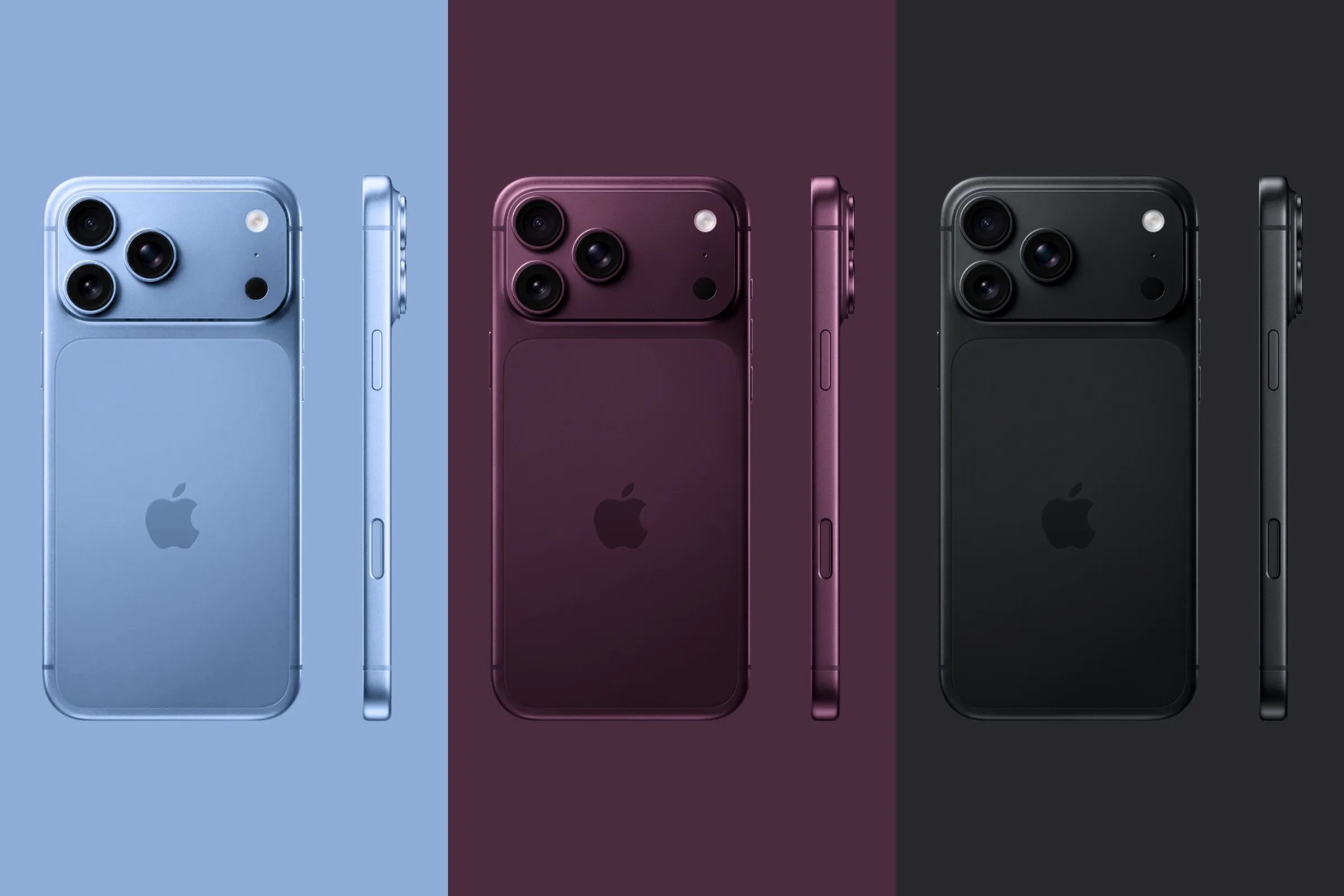
Beyond optics, the 18 Pro introduces the A20 Pro chip and a refined thermal management system, designed to sustain peak performance under heavy loads. The device also marks a milestone with its in-house C2 cellular modem, which demonstrated consistent signal strength during testing. Meanwhile, the Dynamic Island has been slimmed down by masking the Face ID sensors beneath the display, though the change is subtle enough to go unnoticed in day-to-day use. With the integration of iOS 27 and the new AI-driven Siri, the phone feels polished, yet it remains distinctly a smartphone rather than a dedicated camera replacement. For those weighing the $1,199 entry price, the 18 Pro is not a radical departure from its predecessor but a polished, highly capable tool that continues to prioritize usability over sheer experimentation.




Comments (0)
No comments yet. Be the first!