
The company is aligning with partners including NVIDIA, AMD, Intel, and Samsung to offer a platform that manages the entire lifecycle of AI deployment. Paul Ju, Senior Vice President of the Infrastructure Solution Business Group, stated that infrastructure performance and AI governance must now be addressed as a unified foundation. To reduce deployment risks, ASUS employs the NVIDIA DSX Sim Blueprint, allowing firms to create digital twins of their facilities to simulate power, cooling, and compute requirements before physical installation.
ASUS Pivots to End-to-End AI Factory Infrastructure
At ASUS AI Tech 2026 in Seoul, the company unveiled a shift in its hardware strategy, moving from supplying standalone systems to managing complete, production-ready AI factories. By integrating infrastructure engineering with governance and simulation, ASUS aims to shorten the path from initial investment to operational revenue.
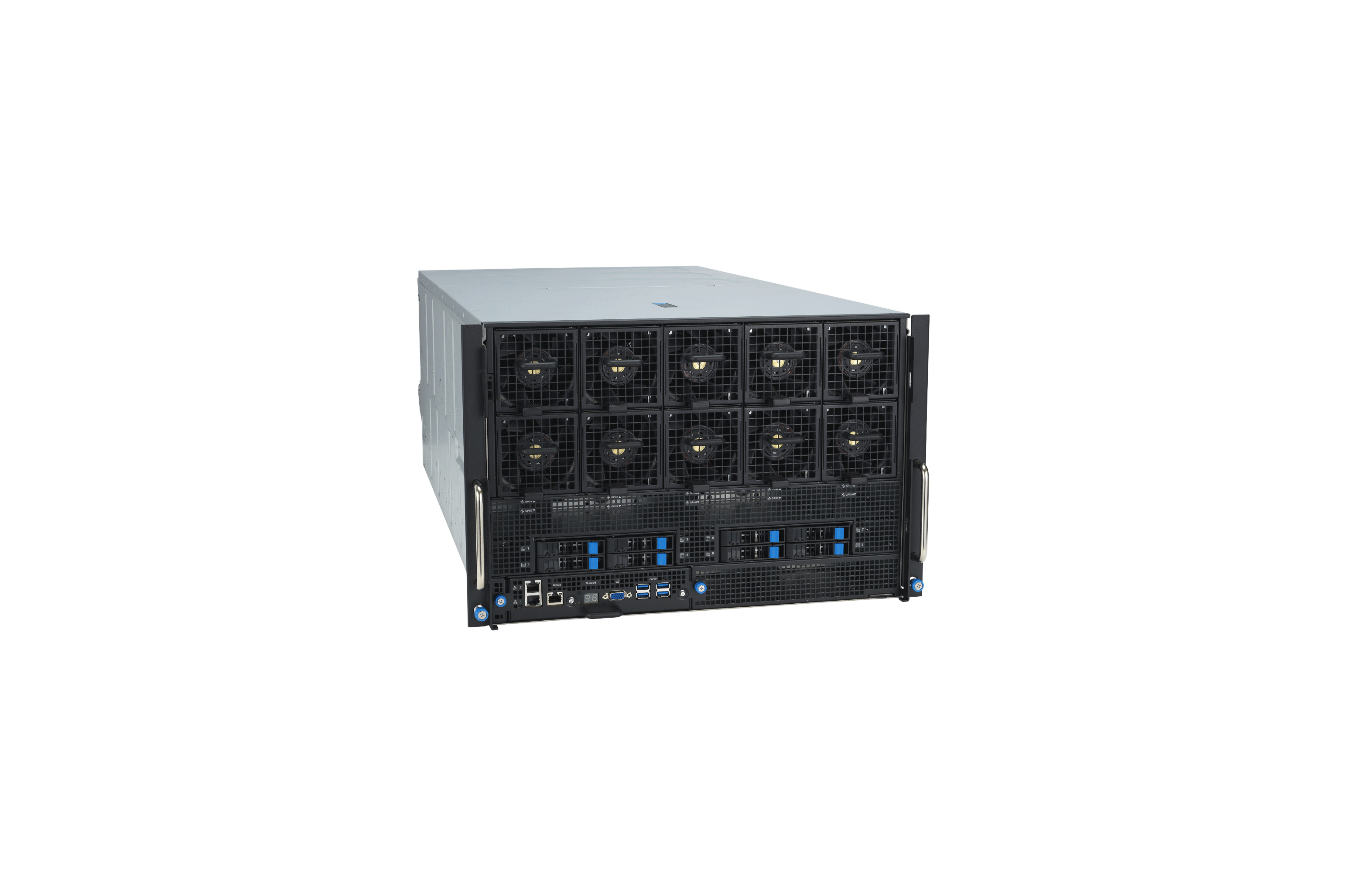
Operational control is maintained through the ASUS AI Software Stack and the ASUS Control Center, which function as an 'operational harness' for autonomous agents. This software layer manages resources and provides oversight across data centers, ensuring that agentic AI remains secure and manageable at scale. The hardware portfolio has been expanded to support this, featuring the XA VR721-E3 pod for high-volume intelligence, which ASUS claims delivers 10 times the performance per watt compared to previous generations. These systems, alongside edge-computing platforms like the PE3000N, are designed to transition enterprises from experimental AI projects to continuous, production-scale operations.



Comments (0)
No comments yet. Be the first!