
The commemoration on August 2 marks the anniversary of the 1998 invasion that ignited the Second Congo War, a conflict defined by the brutal exploitation of eastern mineral deposits. While the 2010 United Nations Mapping Report cataloged hundreds of human rights violations that could constitute war crimes, no international judicial body has yet adjudicated these findings. Ambassador Ngandu emphasized that the resources powering modern American technology—from smartphones to electric vehicles—remain inextricably linked to the region's enduring instability.
Congolese Ambassador Links Global Mineral Demand to Genocost Legacy
As the Democratic Republic of the Congo marks the Genocost, Ambassador Yvette Kapinga Ngandu is challenging the United States to reconcile its reliance on Congolese minerals with the violent history of their extraction. The annual observance honors millions affected by conflicts fueled by the country's vast natural wealth.
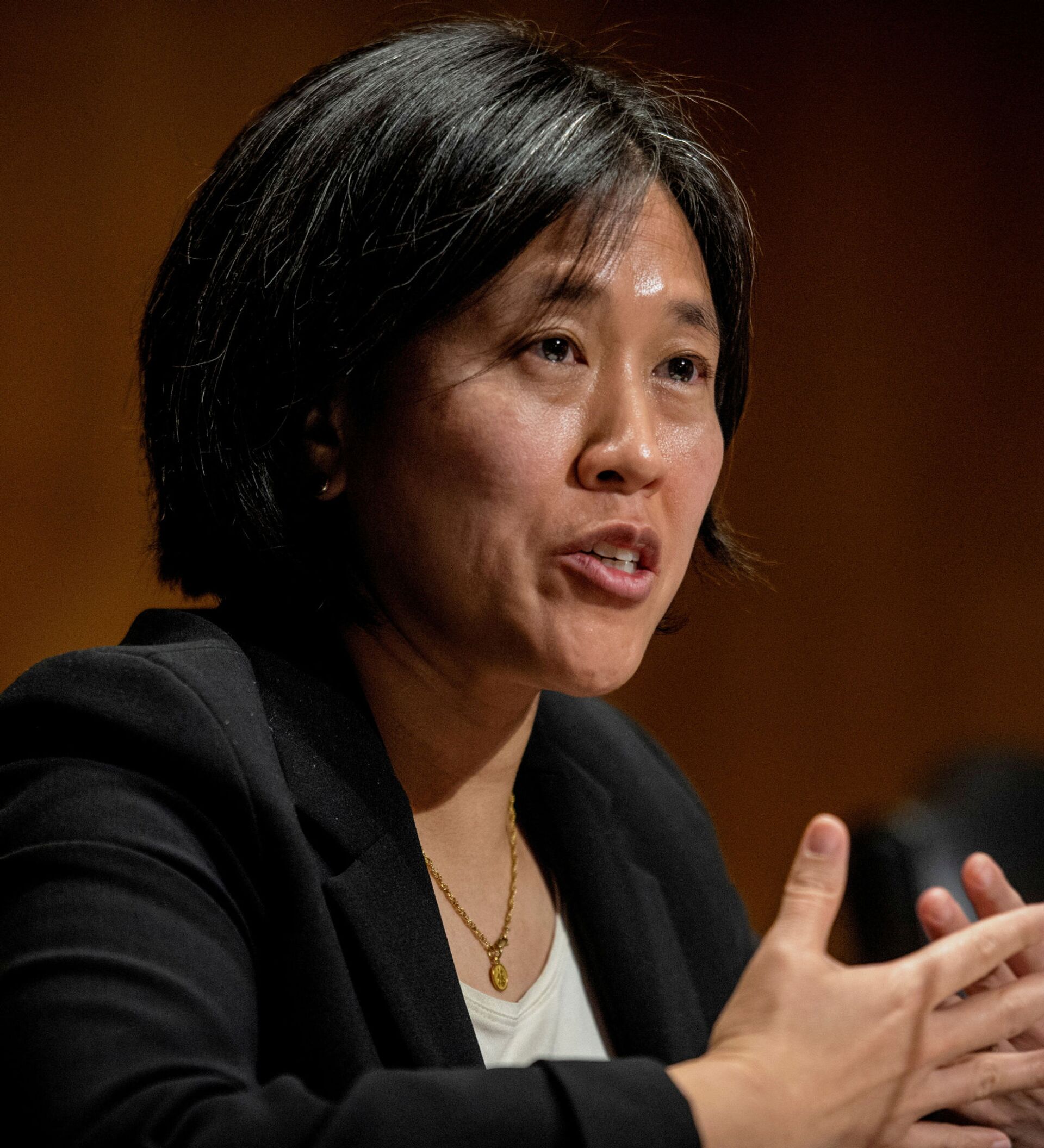
To move beyond symbolic remembrance, the ambassador outlined a three-point agenda for Washington. She urged the U.S. to enforce the peace agreement brokered between Kinshasa and Kigali, champion an international justice mechanism for documented atrocities, and ensure that mineral supply chains prioritize local infrastructure over militia financing. As global demand for critical minerals intensifies, Ngandu argues that American economic leverage must be redirected to foster tangible development for Congolese communities rather than perpetuating the cycles of violence that have defined the nation's recent past.

Comments (0)
No comments yet. Be the first!