
The primary weakness of standard office equipment lies in its mechanical limitations. Many home models utilize strip-cut mechanisms that produce long, readable paper ribbons, while even cross-cut machines can leave fragments large enough for data recovery. Beyond the quality of the cut, these units are rarely built for heavy-duty use. Overloading them often leads to jams or overheating, causing users to abandon the task or leave sensitive documents exposed in piles while waiting for a repair.
Why Home Shredders Fail to Protect Sensitive Data
Most home and office shredders offer little more than a false sense of security, according to Dayton-based document destruction expert Rhet Crowe. While convenient, consumer-grade equipment often leaves behind fragments that can be reconstructed, failing to meet the rigorous standards required to keep private financial and medical records truly confidential.
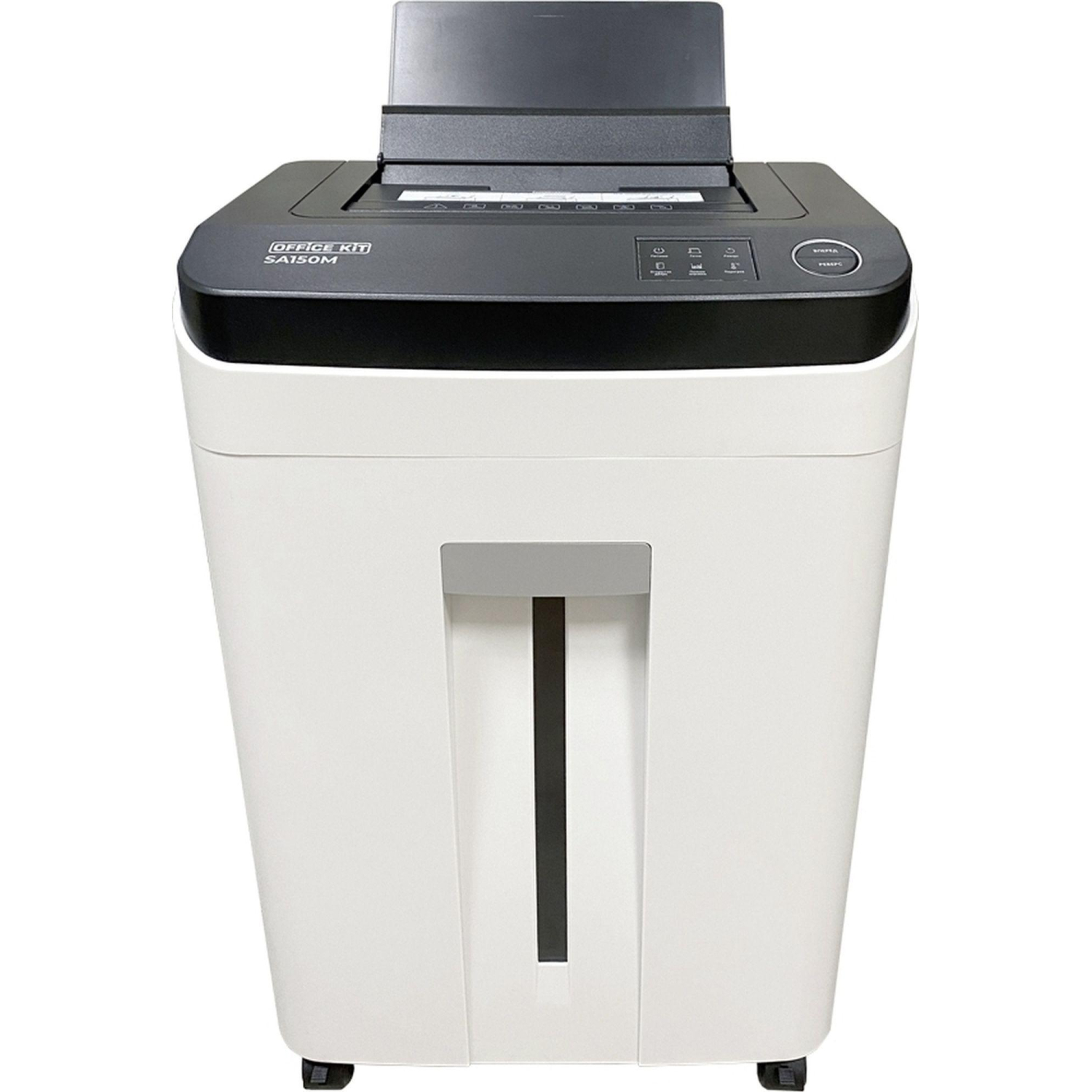
Professional services fill this security gap through industrial-grade equipment and a controlled chain of custody. Unlike office units, industrial shredders reduce paper to uniform, microscopic particles that render reconstruction impossible. Crowe emphasizes that secure shredding services provide on-site destruction, eliminating the risks associated with transporting sensitive materials. By moving documents directly from locked collection bins into industrial machinery, businesses and households minimize human handling and ensure that every page is destroyed with consistent, verified precision.



Comments (0)
No comments yet. Be the first!