
The promise of the Smart Brick lies in its potential to bridge the gap between simple plastic blocks and advanced robotics. While the author initially envisioned a versatile tool capable of elevating both children's play and adult engineering projects, the reality of the first eight sets tells a different story. The bricks are largely restricted to basic light and sound effects, failing to leverage the full suite of sensing features built into the hardware.
Lego’s Smart Brick struggles to hold a child’s attention
When The Lego Group unveiled its Smart Brick this January, the company touted the hardware as its most significant evolution in half a century. Yet, after testing the kits with his own children, one parent found that the high-tech components are currently too limited to sustain the interest of young builders.
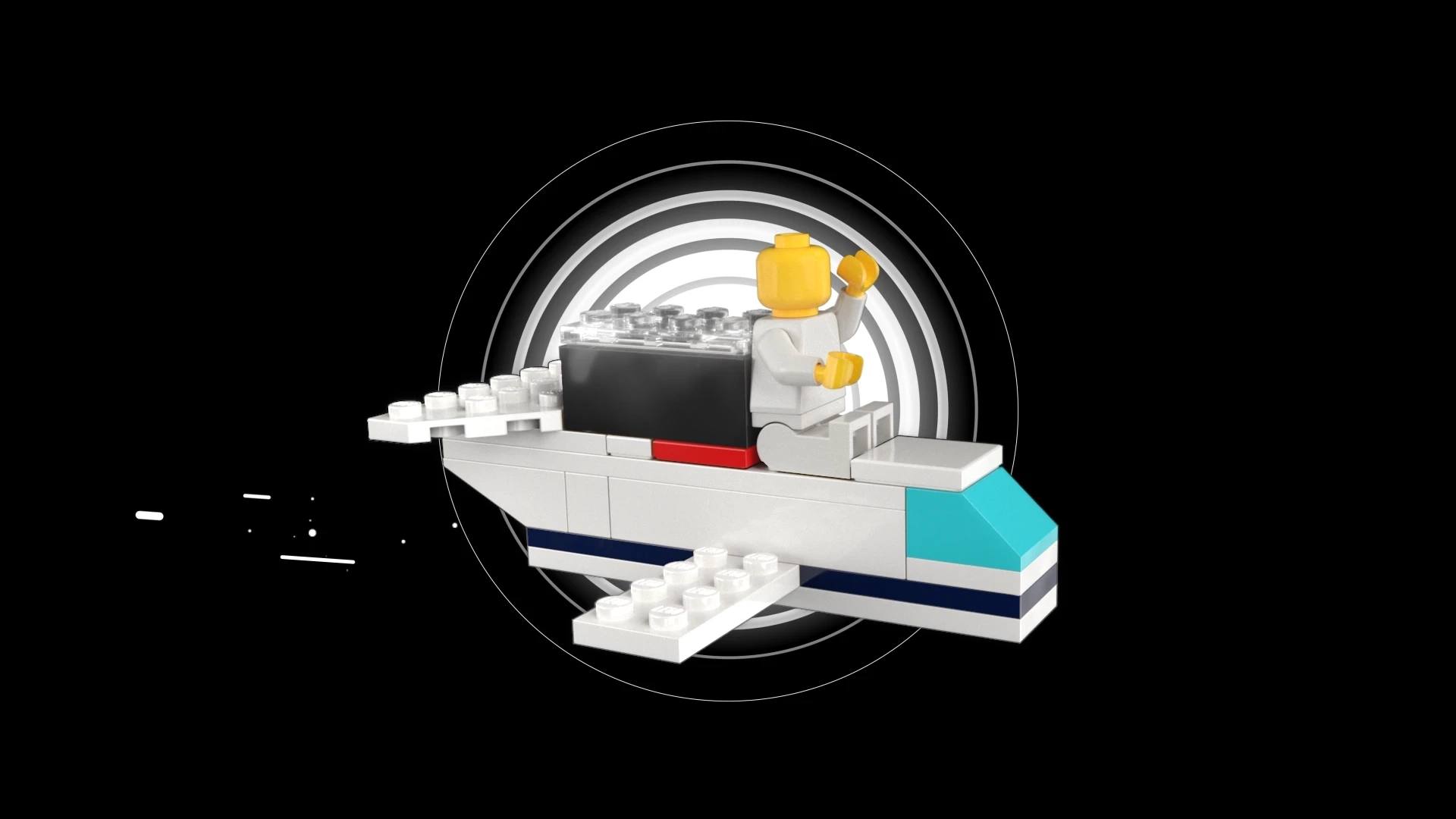
Despite an initial burst of excitement, the novelty wore off quickly for the tester’s six and nine-year-old daughters. Although they enjoyed the assembly process, the computerized interactions proved insufficient to warrant repeat play. The core issue remains a lack of depth in the software integration. By underutilizing the sensors, Lego has produced a product that feels underwhelming, leaving the user to conclude that the current implementation is too rudimentary to justify the hype.


Comments (0)
No comments yet. Be the first!