
The threat is no longer theoretical. Following the arrest of two men in Colorado Springs who smuggled machine gun conversion devices inside Lego boxes, the December 2024 killing of UnitedHealthcare CEO Brian Thompson brought the issue to a breaking point. Authorities allege Luigi Mangione used a partially 3D-printed Glock-style frame and a homemade suppressor to execute the attack, bypassing the rigorous federal oversight typically required for such equipment.
The Rising Shadow of 3D-Printed Ghost Guns
When Andrew Scott Hastings packed his 3D-printed switches for al-Qaida operatives in 2024, he underscored a chilling shift in illicit manufacturing. These untraceable weapons, once relegated to niche anarchist experiments, have now moved from the fringes of digital DIY culture into the hands of global terror cells and domestic assassins.
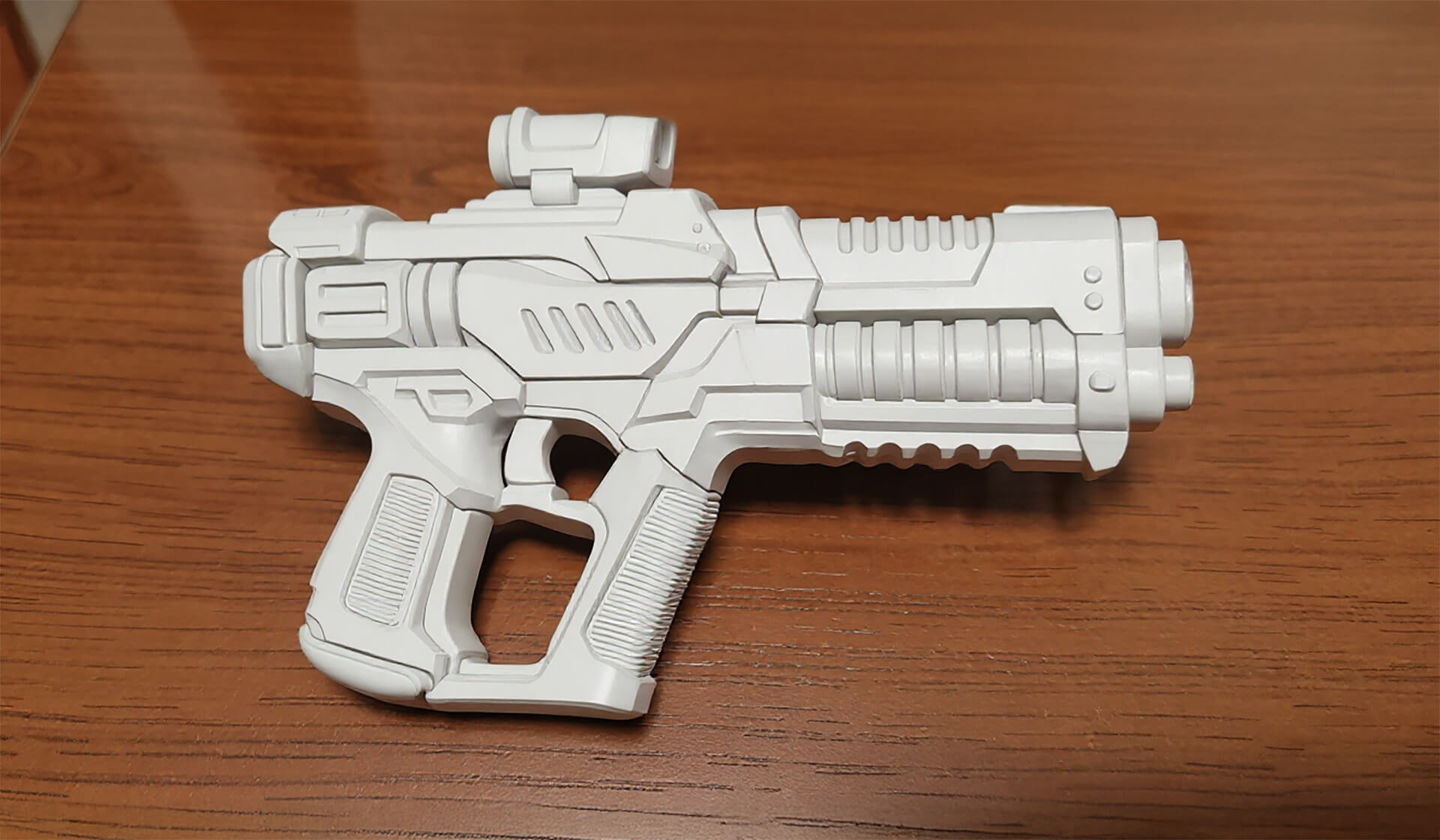
Since Cody Wilson released the first functional printed firearm design in 2013, the legal system has struggled to keep pace. While past legislative efforts fixated on restricting the distribution of digital gun files, the reality of the black market has evolved beyond simple downloads. As these devices become easier to manufacture at home, the accessibility of lethal hardware continues to outstrip the reach of traditional firearm regulation.




Comments (0)
No comments yet. Be the first!