
The simulation centered on Seglia, a fictional state destabilized by an insurgent uprising. As tanks, fighter jets, and intelligence units converged, the operation exposed the friction between military readiness and political hesitation. While the training drills demonstrated technical proficiency in air assaults and casualty evacuations, the exercise also highlighted the persistent logistical and structural hurdles that have long plagued EU defense initiatives.
Europe’s military ambitions face a reality check in Zaragoza
Across the dusty plains of San Gregorio, 2,600 soldiers from 13 nations recently executed a high-stakes simulation of a continental crisis. The exercise, MILEX26, marked a definitive test for the European Union’s new Rapid Deployment Capacity, an attempt to prove the bloc can finally move with the speed required by modern warfare.
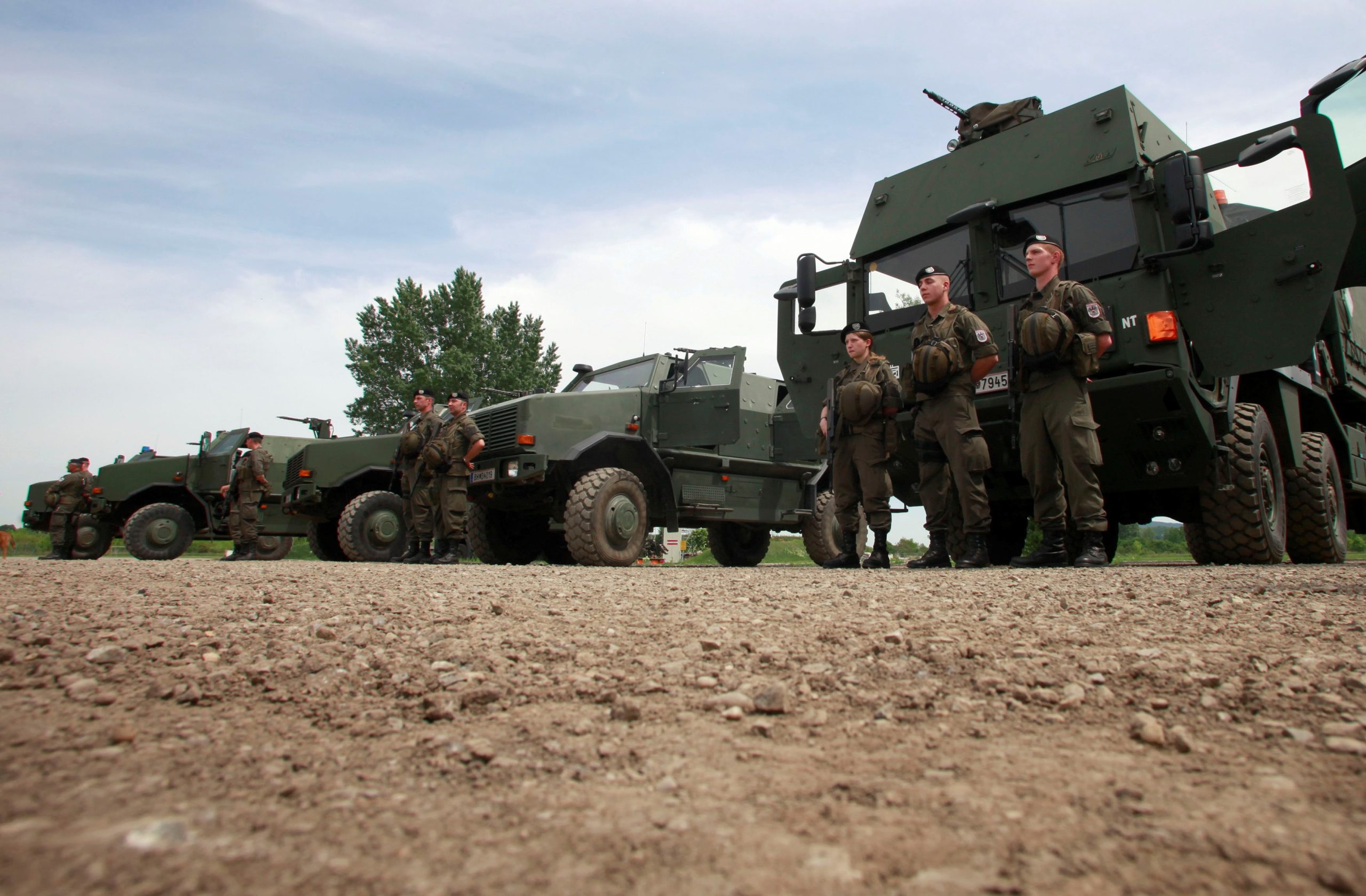
Lt. Gen. Michiel van der Laan, who commanded the exercise, framed the effort as a necessary evolution for a bloc with global ambitions. Yet, the transition from the defunct battlegroup model to the new 5,000-troop Rapid Deployment Capacity remains shadowed by the requirement for unanimous approval from all 27 member states. Experts warn that even with improved funding through the €17 billion European Peace Facility, the force remains vulnerable to the same political deadlocks that sidelined its predecessors. As the debate over a potential standing European army gains traction in Brussels, the RDC faces a fundamental question: whether it can act as a cohesive military instrument or remain a theoretical project dependent on the shifting political will of its members.




Comments (0)
No comments yet. Be the first!