
The system achieves its record-breaking performance without the GPUs that typically define modern supercomputing architecture. Instead, engineers utilized approximately 45,000 LX2 processors, each housing 304 cores clocked at 1.55GHz. These components are linked via LingQi, a custom-developed high-speed, low-latency network designed to compensate for restricted access to international hardware markets.
China Claims Supercomputing Lead With New LineShine System
Surpassing the American-built El Capitan, China’s new LineShine supercomputer has claimed the top spot on the TOP500 list. The machine marks the first time a Chinese system has led the global ranking since 2018, effectively bypassing heavy US trade restrictions on high-end chip exports and specialized GPU hardware.
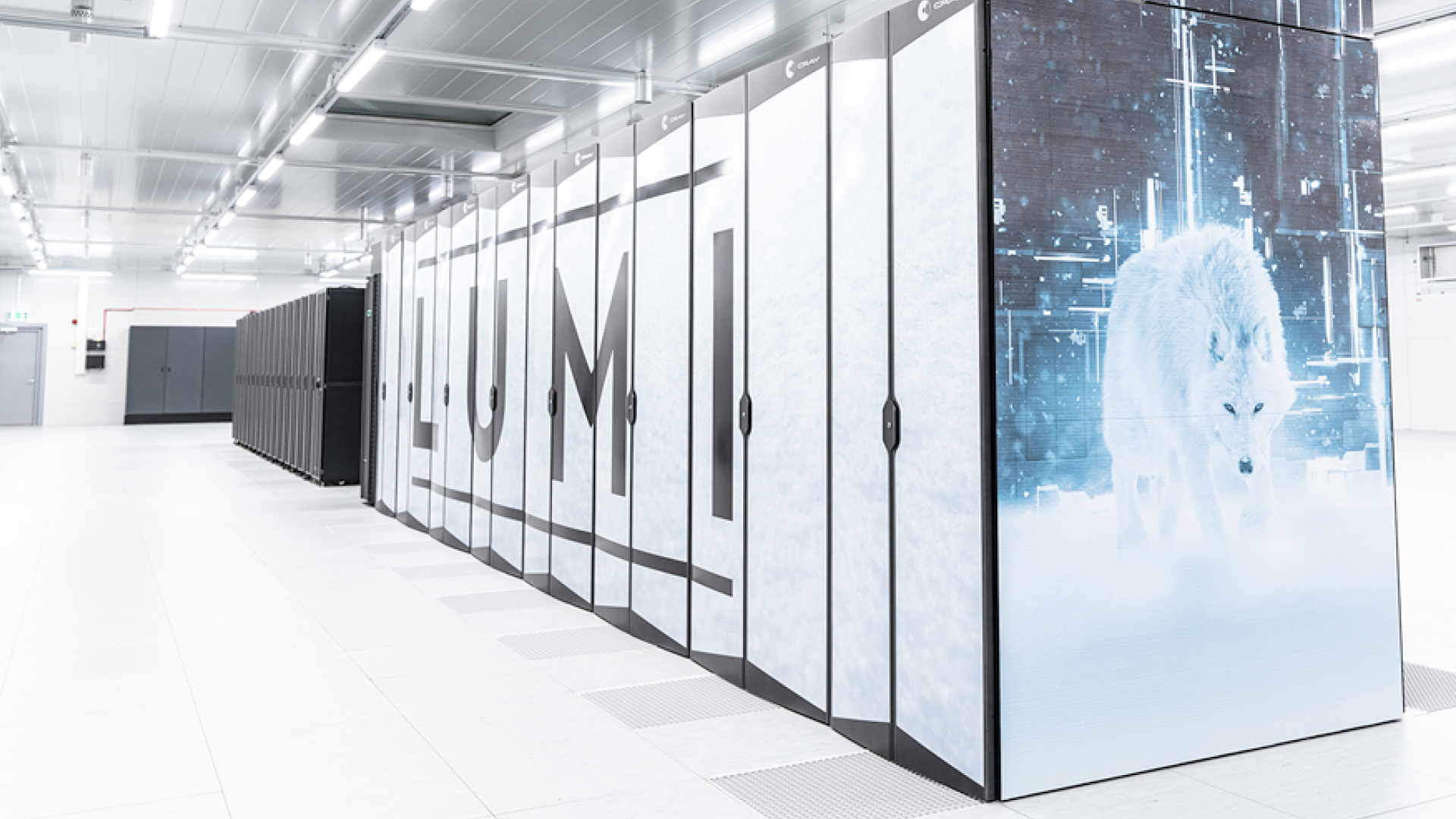
LineShine is the first system to break the 2,000 exaflop barrier, outperforming El Capitan by 20 percent. This speed, however, comes at a significant cost in efficiency. The Chinese machine consumes 42.2 megawatts, a marked increase over the 29.7 megawatts required by its predecessor at the top of the list. By pivoting toward generalized CPU clusters, Beijing has signaled a shift in strategy, demonstrating that it can maintain competitive computational power despite the ongoing limitations imposed by Washington on NVIDIA products and other advanced semiconductor technologies.



Comments (0)
No comments yet. Be the first!