
The strategy mirrors Apple's historical entry into the watch market. When the Apple Watch debuted, the company bypassed simple competition with early digital wearables to target traditional watchmakers like Fossil and Swatch. By focusing on the $200 to $500 price bracket, Apple intends to attract consumers who might otherwise purchase conventional frames from retailers like Warby Parker.
Apple Targets Traditional Eyewear in Smart Glasses Push
Apple is preparing to challenge established eyewear brands like Ray-Ban and Oakley by positioning its future smart glasses as a direct substitute for standard spectacles. Rather than limiting its scope to tech rivals, the company aims to capture a portion of the $200 billion global eyewear market through mainstream appeal.
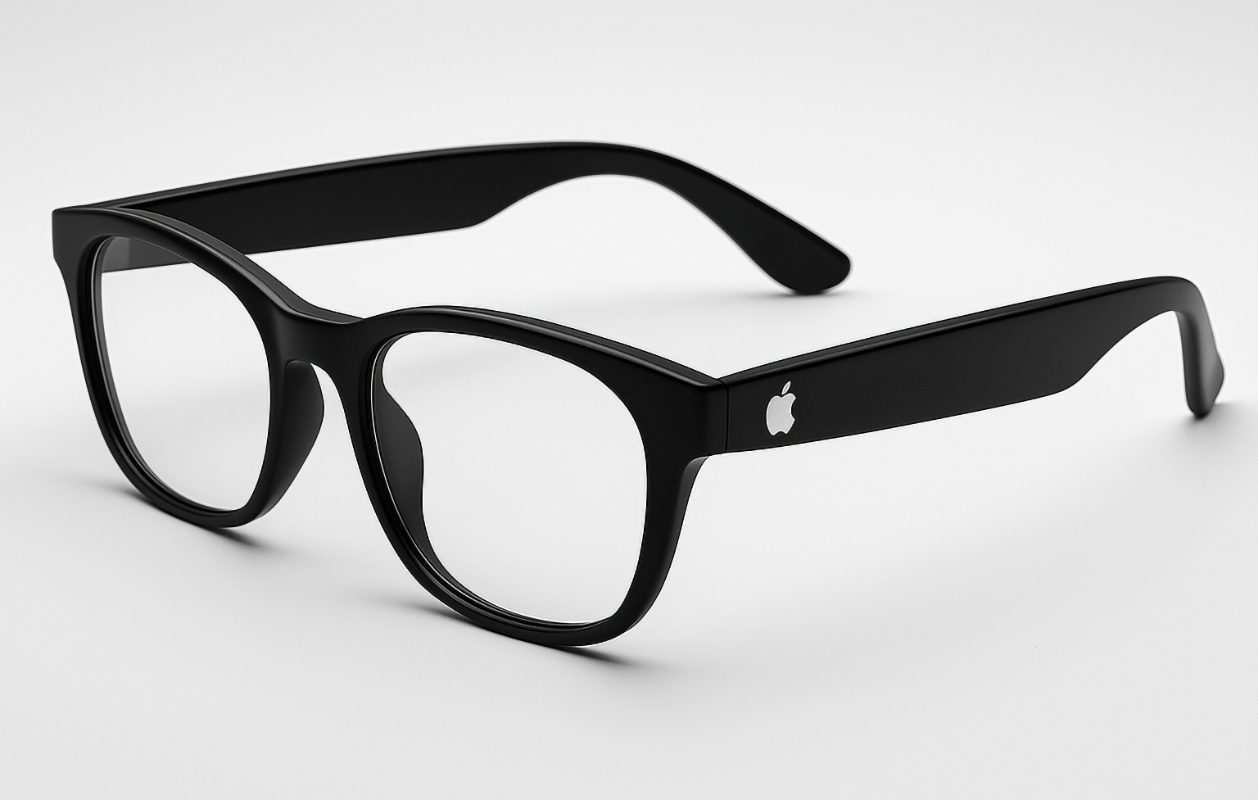
Learning from the failure of its $10,000 gold Apple Watch, the company is abandoning the ultra-luxury segment to focus on high-volume, mainstream consumers. Success hinges on leveraging its existing ecosystem of over 2 billion active devices and a global retail footprint. According to Bloomberg’s Mark Gurman, Apple plans to integrate advanced artificial intelligence to differentiate its offering, betting that deep iPhone connectivity and superior industrial design will convince users to upgrade their daily eyewear for an Apple-branded alternative.



Comments (0)
No comments yet. Be the first!