
The company’s recent climb to the top of JD Power’s initial quality rankings masks a period of internal turbulence caused by over-automated processes. Executives now acknowledge that the data-driven models used to streamline design were neither as robust nor as intuitive as initially anticipated. This miscalculation led to a measurable decline in vehicle standards, forcing a strategic pivot back toward human expertise.
Ford Recalls Retired Engineers to Override Flawed Automation
After stumbling in quality rankings, Ford is quietly reversing its heavy reliance on automated design systems. The automaker has begun rehiring retired engineers to rectify errors generated by its robots, admitting that a premature rush toward algorithmic production sidelined the essential institutional knowledge required for vehicle development.
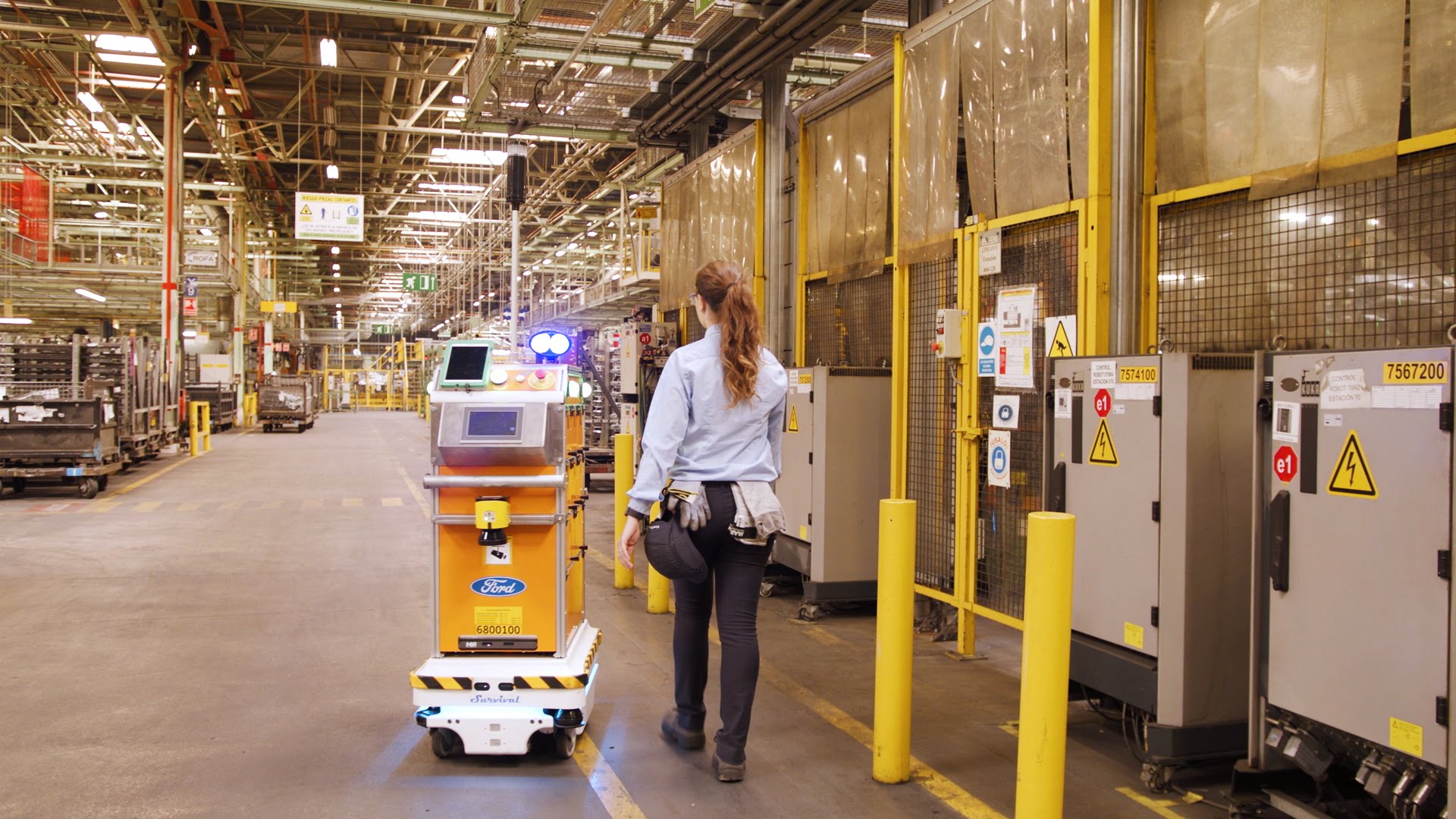
Charles Poon, VP of vehicle hardware engineering, admitted the organization suffered from a dangerous assumption that AI could replace the nuance of experienced staff. The firm lost significant institutional memory when veteran engineers departed before their decades of specialized knowledge could be fully integrated into digital systems. To bridge this gap, Ford is now tasking returning experts with both retraining the flawed algorithms and mentoring a younger generation of engineers who struggled to maintain quality benchmarks without senior guidance.



Comments (0)
No comments yet. Be the first!