
Home→Technology→How a flexible magazine cover became a Tetris handheld
Technology

How a flexible magazine cover became a Tetris handheld

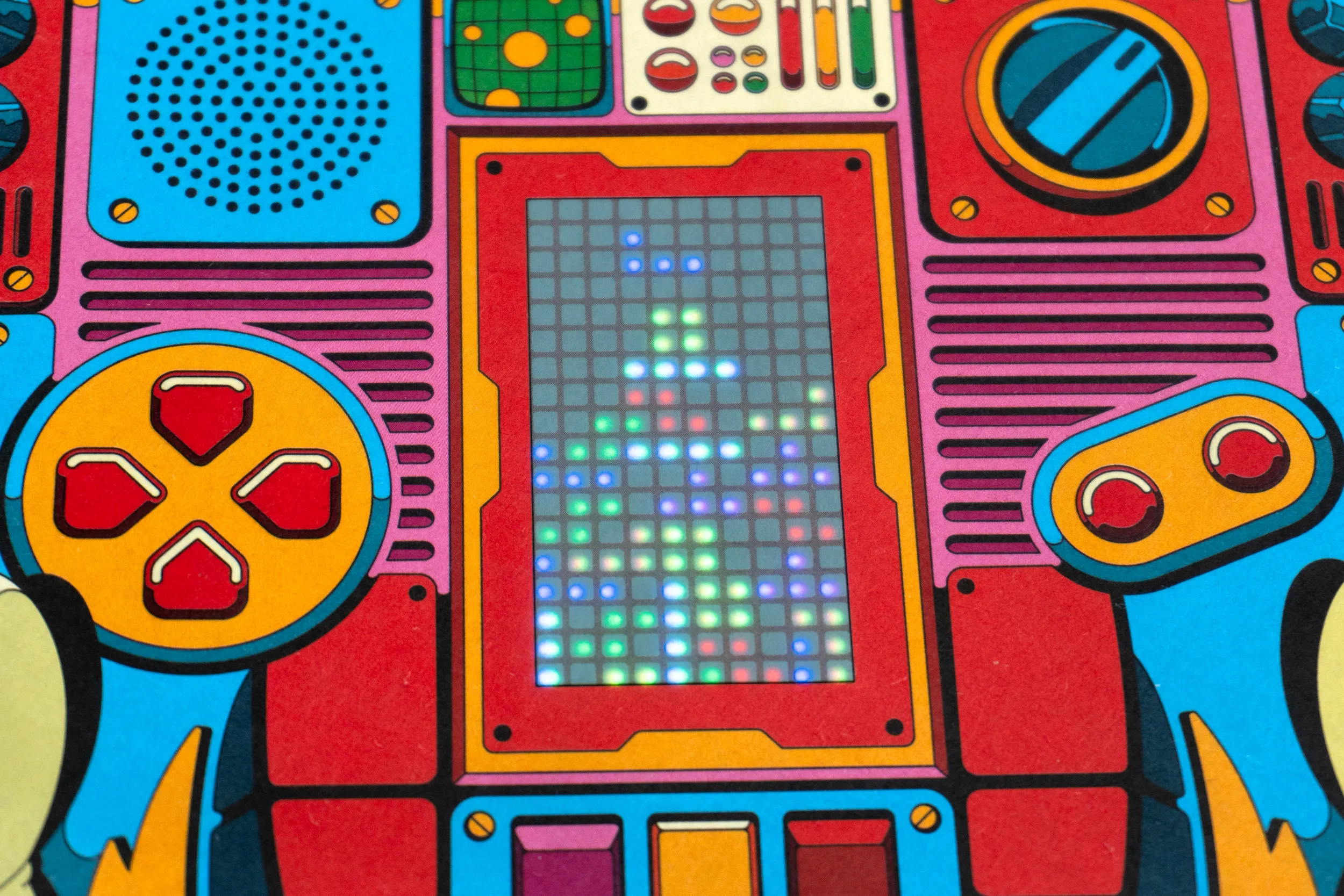
A magazine cover that bends like paper can also run Tetris. Red Bull Media House worked with maker Kevin Bates to build the GamePop GP-1, embedding a playable version of the puzzle game in a limited run of The Red Bulletin’s gaming edition.

How a flexible magazine cover became a Tetris handheld

The project followed a more spectacular Tetris collaboration: a tournament last year that ended with more than 2,000 drones turning Dubai’s 150-meter-tall Frame landmark into what was described as the world’s largest playable Tetris installation. Around the same time, Red Bull published a 180-page gaming edition of The Red Bulletin, including a small batch with a working game in its cover.

Bates, who made a Tetris-playing business card in 2014 and later launched the $39 Arduboy handheld, said development took “most of last year.” The GP-1 uses 180 two-millimeter RGB LEDs mounted on a custom flexible circuit board just 0.1 millimeters thick. The display and batteries make the cover nearly 5 millimeters thick at its widest point, but the electronics are bonded between sheets of paper, allowing it to bend.

Seven capacitive touch sensors printed into the board replace physical buttons. Bates said their responsiveness was tuned for the paper and glue used in production. A thin, rigid circuit board near the magazine’s spine houses an ARM-based 32-bit processor and four rechargeable LIR2016 3V coin-cell batteries. The cover charges through a paper-formed USB-C socket along its bottom edge.
The game saves high scores but lacks features such as previews of upcoming pieces and the option to hold a tetromino. Its piezo speaker plays only a short excerpt of the Tetris theme; Bates said sound uses about as much energy as the rest of the system. A charge supports an hour or two of play, he said, while the battery can last many months when the game is idle. Bates also said the display passed safety tests and survived several hammer strikes.

Red Bull produced about 1,000 copies of the magazine, but only 150 had playable covers. Those were distributed to Tetris competitors, people featured in the issue, influencers and selected media, and were not offered to the public. The magazine is available online in Europe and at some shops and newsstands, including Iconic Magazines in New York and Rare Mags outside Manchester, UK. Neither Bates nor Red Bull disclosed the cost of the components.

Comments (0)

Leave a comment

No comments yet. Be the first!