
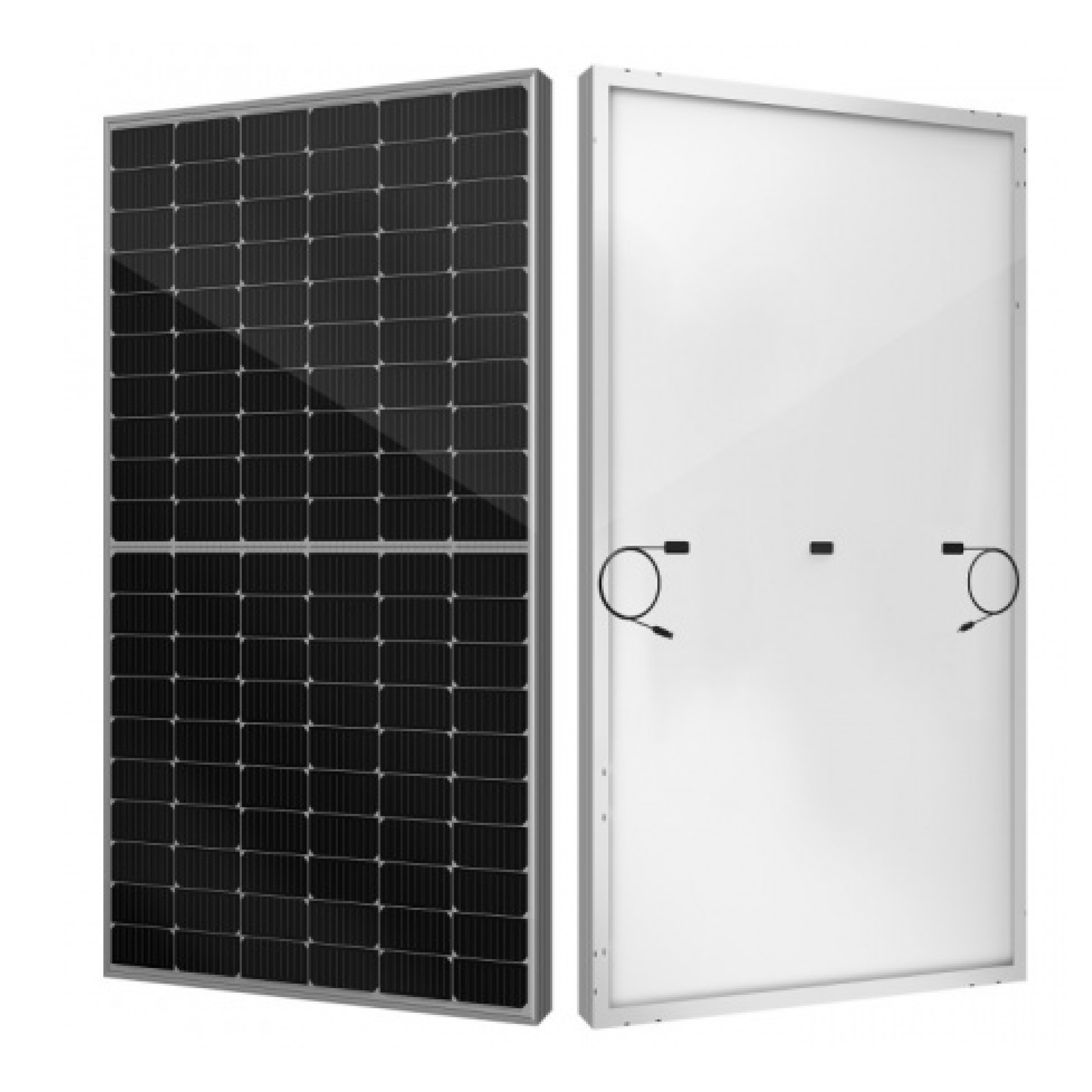
Boy has led Seraphim’s global sales team from Singapore for eight years, building an organization serving markets across Asia, Australia, Europe, Africa and South America. He says delivered utility-scale projects help establish the track record lenders require: “A bank won’t finance a data sheet, but it will finance confidence in the supplier.”
Seraphim’s module capacity is 13 gigawatts, while annual shipments peaked at five to six gigawatts. Its projects include Germany’s 172-megawatt Tramm-Göthen solar farm and the 300-megawatt Palauig 2 plant in the Philippines, delivered with Malaysia’s ERS Energy. Boy argues that pursuing greater volume can carry a steep cost, pointing to billions of dollars in publicly reported losses among the five largest module suppliers over the past three years.
Instead, Seraphim has emphasized local content and selective investment. It built a module factory in KuGompo City, South Africa, and entered US manufacturing in Jackson, Mississippi, in 2015. For Indonesia’s planned green-power corridor with Singapore, the company committed to local-content module supply in September 2023 and followed up with developers the next year. Boy says its investment decisions turn on whether local content or landed cost offers an advantage, whether a market needs something volume producers do not provide, and whether suitable partners are available.


Comments (0)
No comments yet. Be the first!