Home→Interviews→Beumer India CEO Abhishek Prakash on Long-Term Resilience
Interviews

Beumer India CEO Abhishek Prakash on Long-Term Resilience

“We think in generations, not quarters,” says Beumer Group CEO Rudolf Hausladen, a philosophy Abhishek Prakash is now embedding into the firm’s Indian operations. As the intralogistics giant pivots toward localized manufacturing, Prakash is prioritizing supply chain stability and cultural alignment over the pursuit of short-term quarterly gains.

Beumer India CEO Abhishek Prakash on Long-Term Resilience

Beumer India is shifting from traditional operational models to highly resilient, localized strategies. By investing in domestic production and strategic sourcing, the company aims to mitigate geopolitical risks while securing shorter lead times for its customers. This transition is supported by a five-year strategic cycle and recent acquisitions, including ENEXCO and the German firm FAM, which have expanded the company’s product portfolio and technical capabilities.

For Prakash, the true measure of success lies in availability and scalability rather than the cost-cutting measures that often dominate the industry. As a family-owned business, Beumer remains intentionally conservative, rejecting the pressure to chase rapid, high-stakes growth in favor of sustainable, long-term relationships. This approach extends to their recruitment strategy, where the company prioritizes candidates who align with its core values over those motivated solely by compensation.

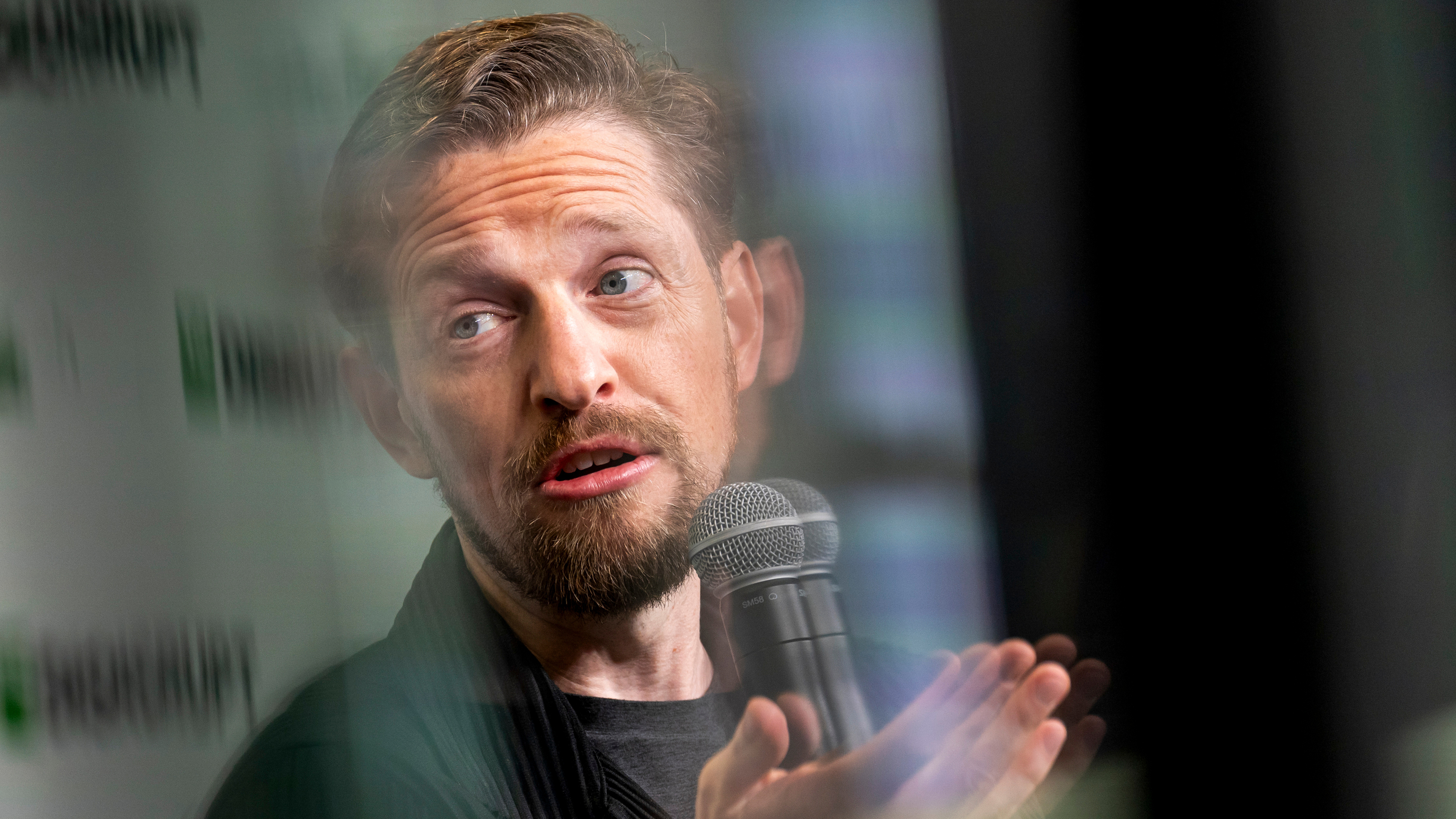
Addressing the challenge of finding specialized talent, the firm has moved toward a flexible recruitment model that emphasizes functional expertise while developing industry-specific knowledge internally. This shift is part of a broader commitment to corporate responsibility, which includes integrating strict ESG guidelines into the company’s DNA. With new facilities designed to meet green building standards, Beumer is positioning its Indian operations to serve as a sustainable platform for global capabilities, ensuring the business leaves a positive legacy for future generations.

Comments (0)

Leave a comment

No comments yet. Be the first!