
The sanctions, triggered by ICC warrants for Vladimir Putin and Benjamin Netanyahu, have crippled the court's operations. Beyond targeting specific individuals—including court president Tomoko Akane—the measures have severed access to essential services like banking and payroll. In response, the institution has scrambled to migrate its digital infrastructure to the German platform openDesk, attempting to insulate its systems from U.S.-controlled technology.
Europe faces a standoff over ICC sanctions
When President Donald Trump sanctioned twelve International Criminal Court officials earlier this year, he turned a judicial body into a geopolitical battlefield. For Brussels, the move forces a choice: either deploy its legislative blocking statute to protect the Hague-based court or watch its commitment to international law wither under Washington's pressure.
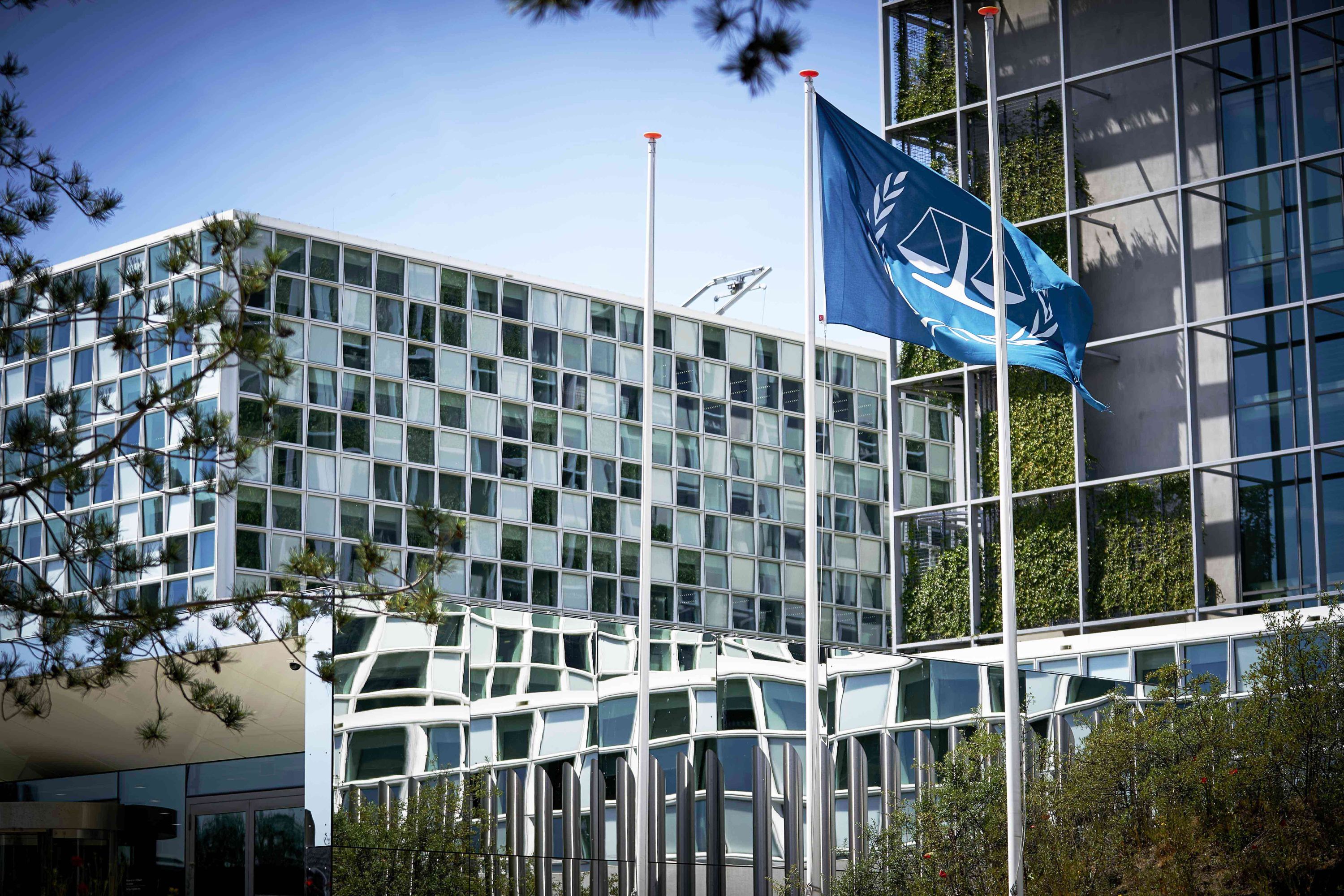
Despite high-level declarations of support from Commission President Ursula von der Leyen and Council President António Costa, the EU has remained hesitant to trigger its blocking statute. This mechanism could legally prohibit European companies from complying with U.S. sanctions and provide a path for recovering losses. MEP Chloe Ridel, who recently spearheaded the nomination of the ICC for the Sakharov Prize, argues that the current silence undermines the core principles of international justice. The situation highlights a deeper fragility in European policy, where the desire to uphold global institutions repeatedly clashes with a heavy reliance on American services and security architecture.




Comments (0)
No comments yet. Be the first!