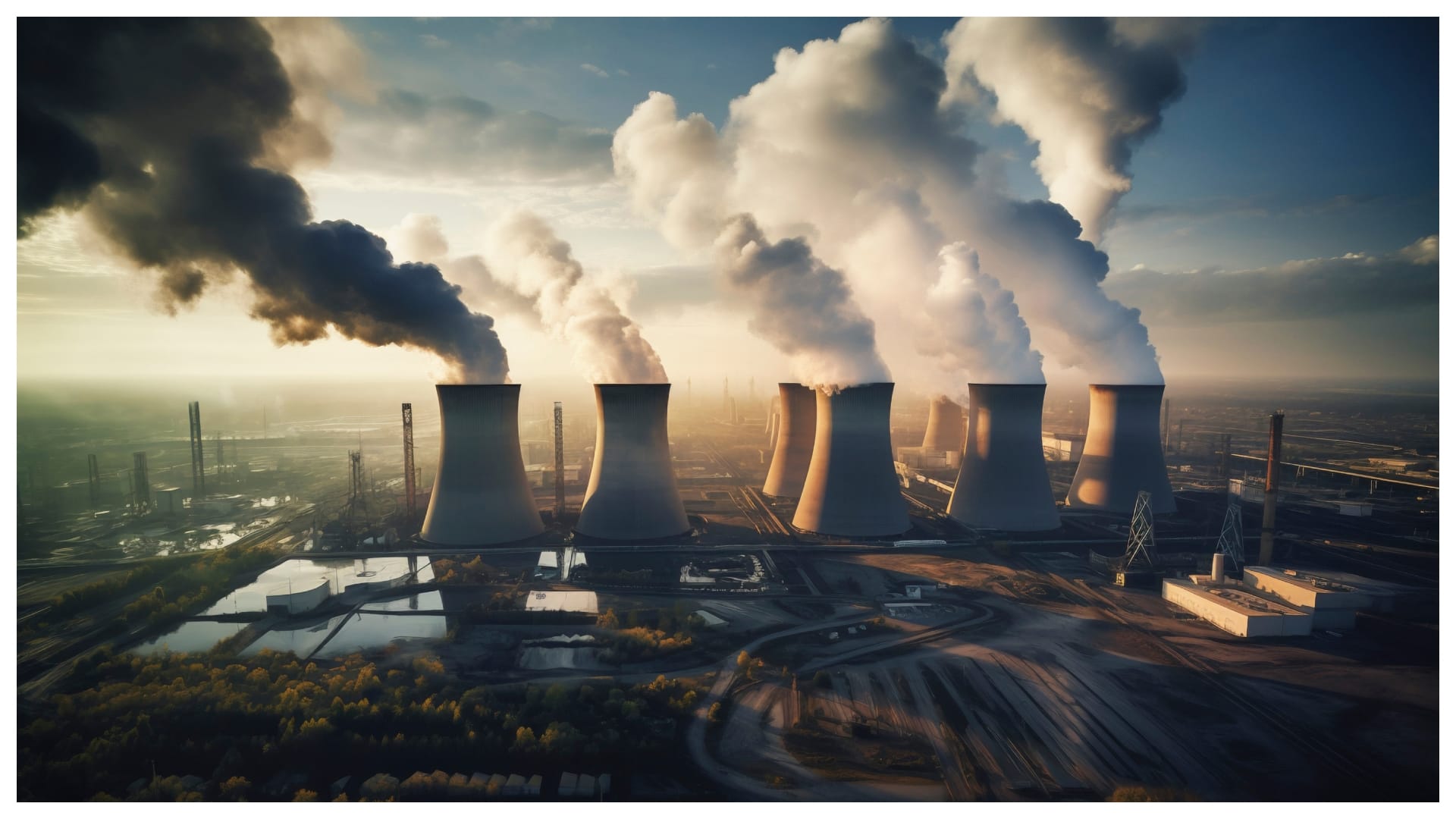
The expansion of Framatome’s Lingen facility, intended to provide a European alternative to Rosatom’s fuel, is currently mired in a lawsuit filed by environmental groups BUND and .ausgestrahlt. Critics argue that relying on TVEL-licensed machinery and Russian-sourced components effectively maintains a backdoor for Moscow into the heart of Europe’s atomic infrastructure. Despite German intelligence warnings regarding potential sabotage, state authorities in Lower Saxony granted the permit with strict monitoring conditions, including network isolation and restricted access for Russian personnel.
This tension highlights the broader struggle to decouple from Rosatom, which remains entrenched in the nuclear sectors of Finland, Slovakia, Bulgaria, the Czech Republic, and Hungary. While some nations are pivoting toward Western suppliers like Westinghouse, others remain bound by long-term service contracts and specialized reactor designs, such as the Paks II project in Hungary. Although European officials have discussed curbing imports of enriched uranium, political hesitation persists due to the technical complexity of replacing specialized fuel chains. Experts suggest that while the continent possesses the engineering expertise to achieve full independence, the transition requires a political resolve that has yet to materialize.


Comments (0)
No comments yet. Be the first!