
When a 65-inch black rectangle sits dormant on a living room wall, it functions as a visual void. Samsung recognized this design flaw in 2017, pioneering the art TV category to transform that void into a focal point. While standard televisions offer screensaver modes to cycle through images, they remain betrayed by glossy, reflective surfaces and bulky bezels that scream consumer electronics. The Frame succeeds specifically because it masks the hardware, mimicking the appearance of a framed print rather than a flickering monitor.
Why The Frame Is Not About The Picture Quality
The Samsung Frame remains a technological disappointment if judged by standard display metrics. It lacks the brightness, color accuracy, and contrast depth found in televisions at similar price points. Yet, consumers continue to prioritize its aesthetic camouflage over performance, treating the device as a piece of interior decor rather than a cinematic powerhouse.
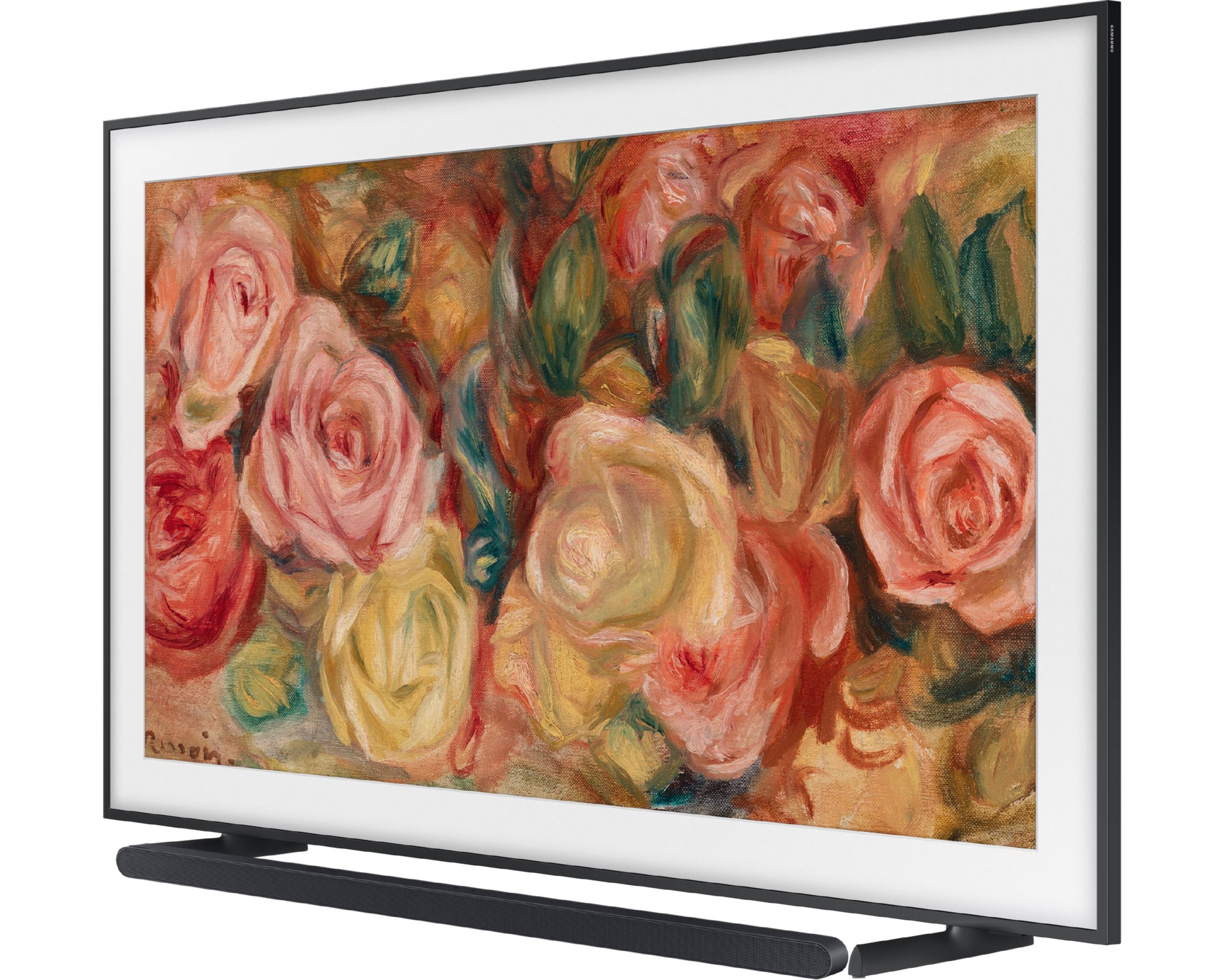
Friends often ignore technical critiques of the display to chase holiday discounts, seeking a second unit for the bedroom despite the availability of superior, cheaper alternatives. The market has expanded since the product's inception, with four major competitors now vying for space on the wall. At a price point of $1,799.99 for the 65-inch model, buyers are not paying for premium panel performance. They are paying for the illusion of a gallery space, accepting mediocre black levels in exchange for a room that feels intentionally curated.



Comments (0)
No comments yet. Be the first!