
The persistent mislabeling of penicillin allergies prevents thousands from accessing optimal care, forcing doctors to rely on broader-spectrum alternatives that are often less effective. Removing these inaccurate labels, a process known as de-labeling, directly improves clinical outcomes and lowers healthcare expenditures. The American Academy of Allergy, Asthma & Immunology (AAAAI) emphasizes that testing is safe for both children and adults, yet the label often remains on charts for decades without verification.
Why Millions Are Misdiagnosed With Penicillin Allergies
More than 90% of patients labeled with a penicillin allergy in their medical records could safely take the antibiotic. As September 28 marks National Penicillin Allergy Day, experts are pushing for widespread re-evaluation to ensure patients receive the most effective treatments while slowing the rise of antimicrobial resistance.
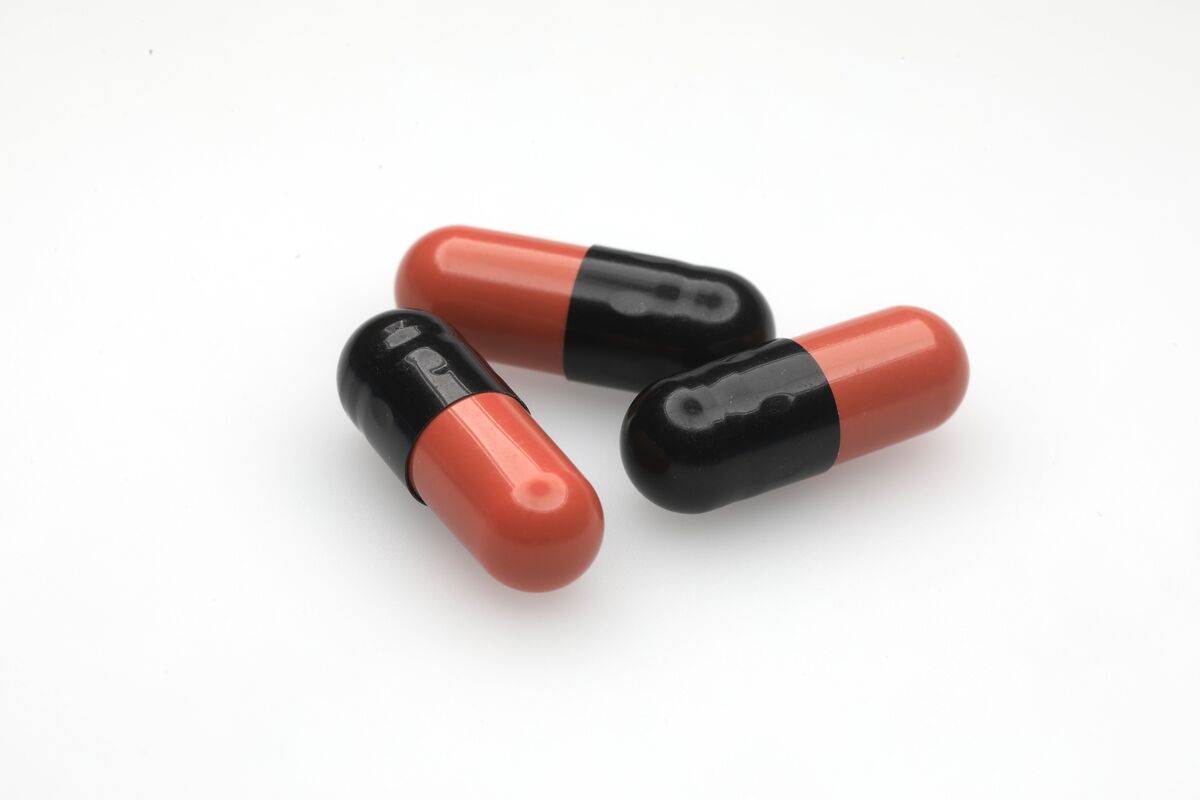
Legislative efforts are currently underway to address this systemic issue. The Penicillin Allergy Verification and Evaluation (PAVE) Act, or H.R. 5736, seeks to integrate formal allergy testing into Medicare’s Initial Preventative Physical Exam and Annual Wellness Visit. The AAAAI provides extensive diagnostic resources and practice guidelines for clinicians to facilitate this shift in standard care. Patients and providers can access these materials via the AAAAI Penicillin Allergy Center to better understand the necessity of de-labeling in the broader fight against antibiotic resistance.




Comments (0)
No comments yet. Be the first!