
Christy Rollinson, a senior scientist in forest ecology, notes that the season is caught between competing forces. Although early summer drought typically triggers early color, significant precipitation over the last 90 days has altered the biological clock for many specimens. While stressed trees in high-heat environments like parking lots began turning in late August, the forecast for a warmer-than-average October and November suggests that the broader landscape will hold its green longer than usual.
Chicago’s Fall Foliage Faces a Compressed Season Due to El Niño
Record-breaking El Niño patterns and erratic summer weather have scientists at The Morton Arboretum predicting a volatile autumn for the Chicago region. While early-turning species have already begun to shift, experts warn that warmer temperatures may force a compressed color season, delaying the peak until a sudden, sharp freeze.
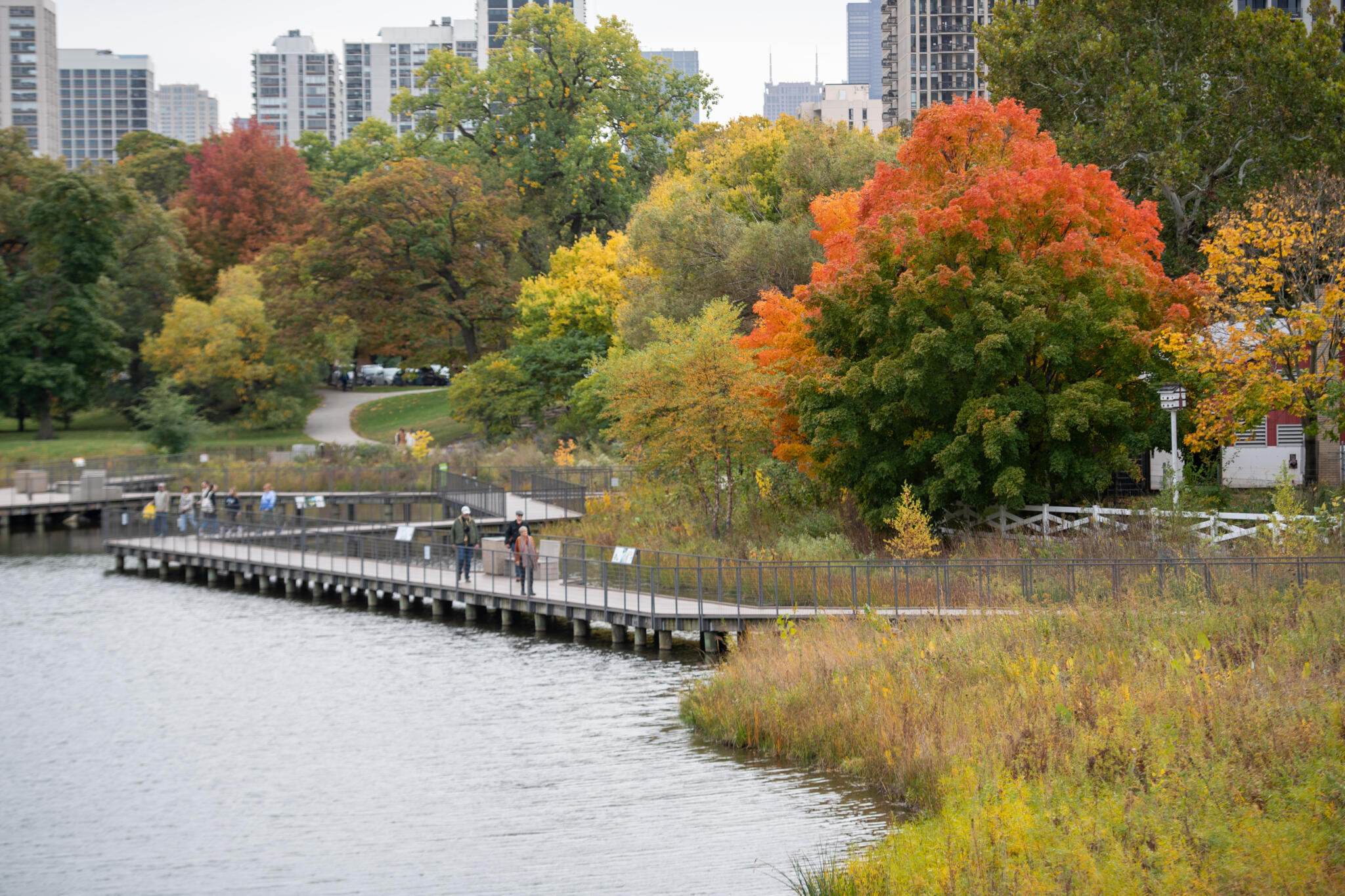
National Weather Service seasonal outlooks indicate that the Pacific warming trend will likely delay the arrival of vibrant hues. Once the region experiences consecutive nights of freezing temperatures, the transition is expected to accelerate rapidly. Because day length remains a constant biological trigger, the mismatch between rising autumn temperatures and traditional light cycles creates uncertainty about the long-term timing of the foliage display. To help the public track these changes across its 1,700-acre site, the Arboretum has launched its weekly Fall Color Report, accompanied by a series of October events including the Cider and Ale Festival and the Glass Pumpkin Patch.


Comments (0)
No comments yet. Be the first!