
Faiola, a recipient of the Chinese Government Friendship Award, believes the nation’s confidence stems from a fundamental shift in the scientific mindset. He notes that the era where top-tier research was exclusively tethered to Western institutions is fading, replaced by a reality where China leads in fields like stem cell standards and artificial intelligence. This internal self-assurance, he argues, is the primary driver behind China’s commitment to open scientific collaboration, as the country seeks to leverage global expertise to tackle shared challenges like precision medicine and environmental health.
Why Italian scientists see China’s tech rise as a global shift
Francesco Faiola, an Italian professor at the Chinese Academy of Sciences, argues that China’s rapid technological ascent is no longer a niche pursuit for specialists. Instead, it has become a tangible global phenomenon, impacting even the daily awareness of retirees in small Italian towns through breakthroughs in aviation and robotics.
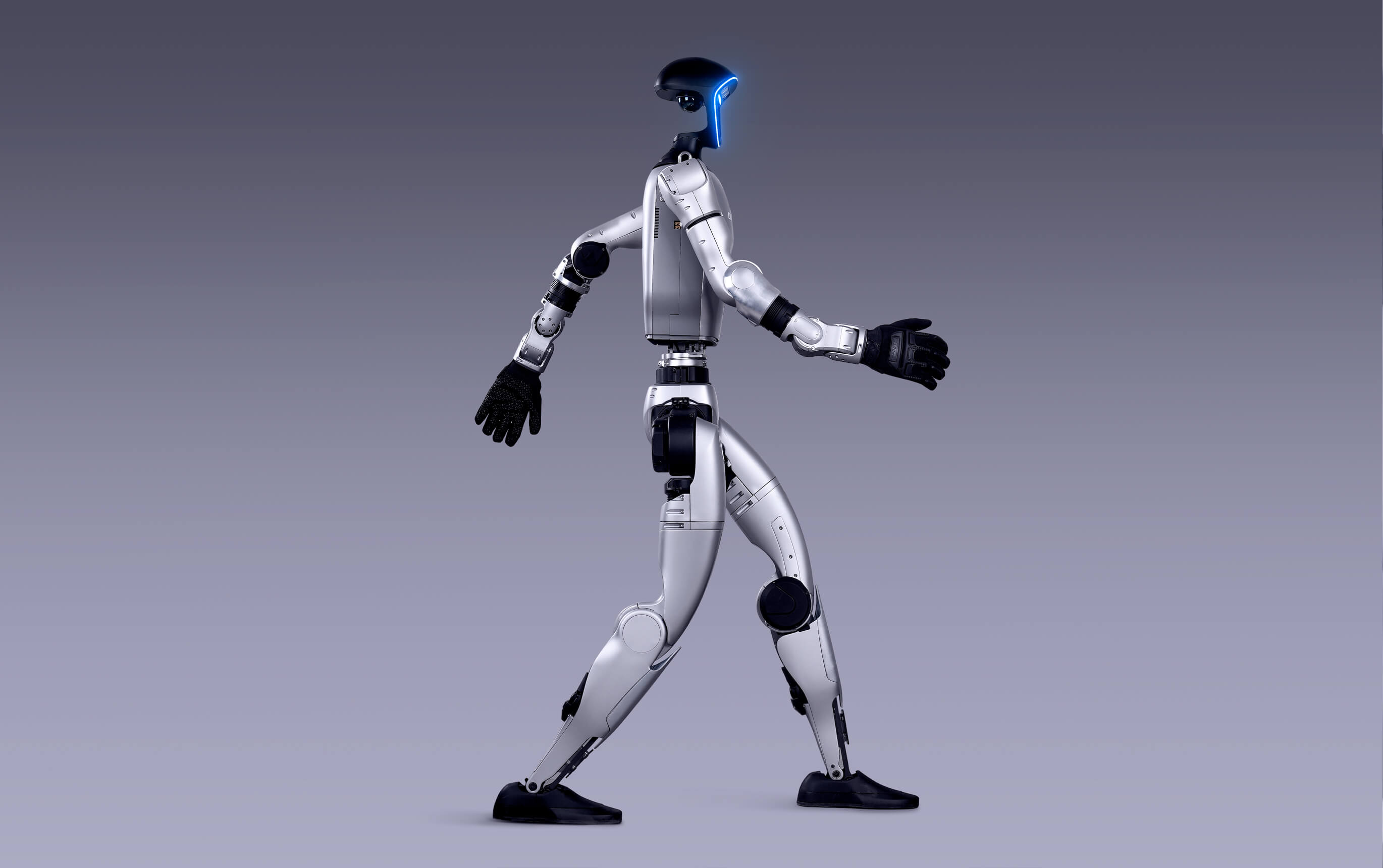
Addressing the narrative of a "China Shock 2.0"—often cited by Western critics as evidence of harmful industrial overcapacity—Faiola offers a pragmatic counterpoint. From his perspective in the laboratory, China’s advancements in high-throughput organoid screening and AI efficiency are not about displacing competitors, but about filling critical global shortages in safety testing and research tools. He suggests that these innovations provide essential services to the international scientific community rather than threatening established markets. Looking ahead, he advocates for deeper integration through joint funding and harmonized ethical standards between China and Europe, proposing that true scientific progress requires moving beyond zero-sum competition toward a model of genuine, two-way co-creation.



Comments (0)
No comments yet. Be the first!