
Magdalena Andersson’s Social Democrats remain the country’s largest party with 28% of the vote, yet this figure marks their weakest performance in over a century. Andersson now faces the precarious task of balancing the Left Party, which secured significant gains, against the pro-business Center Party, which refuses to govern alongside the far-left. This parliamentary arithmetic mirrors the instability of 2021, when Andersson’s minority government struggled to pass a budget against opposition-backed alternatives.
Sweden’s Narrow Election Result Masks a Centrist Reshuffle
The Swedish center-left opposition has claimed a narrow parliamentary victory, securing 176 seats against the governing bloc’s 173. While this three-seat margin suggests a shift in power, the reality is a fragmented political landscape where the Social Democrats must navigate an unwieldy coalition while managing conflicting demands from across the ideological spectrum.
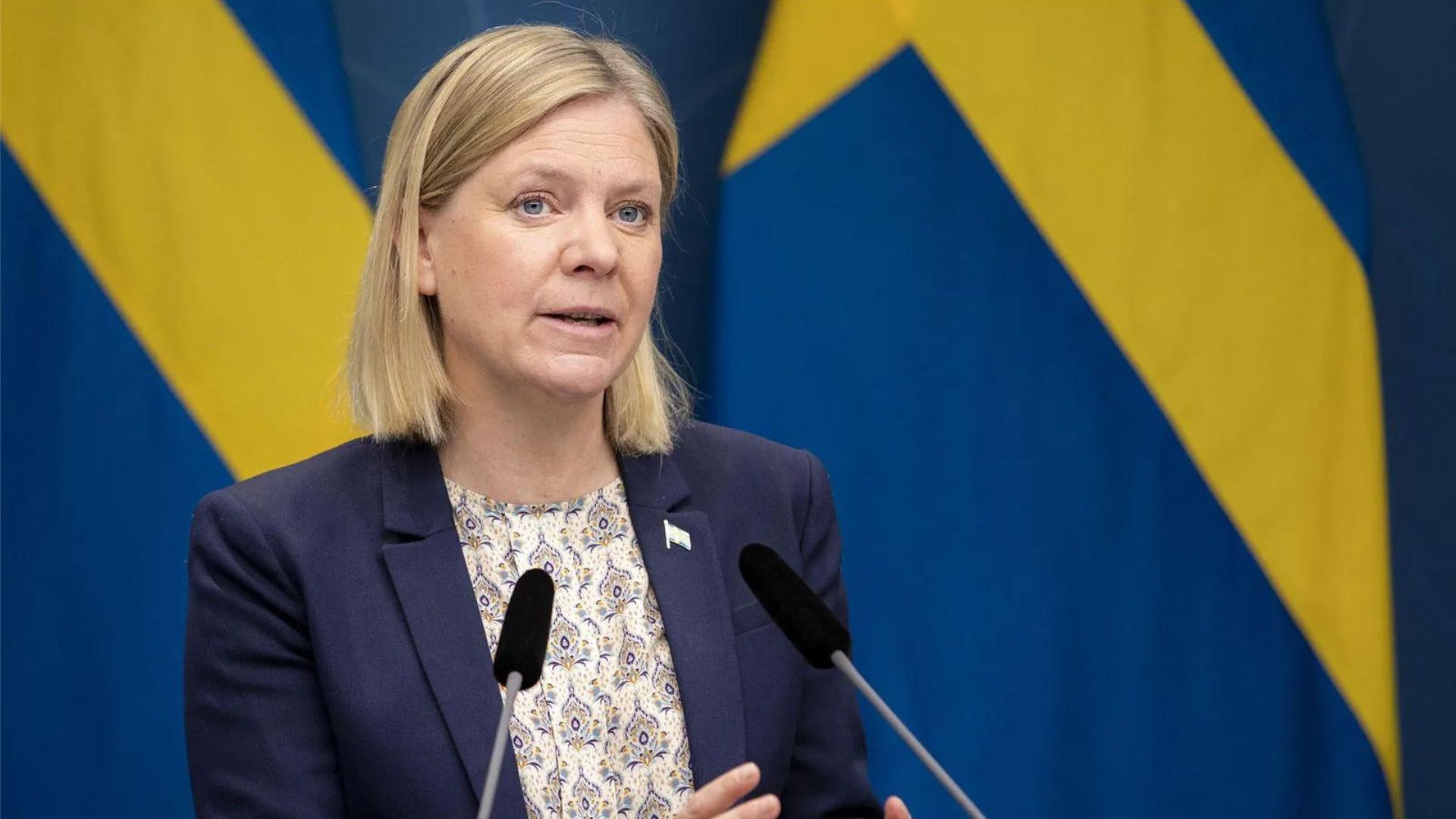
Meanwhile, the far-right Sweden Democrats suffered their first decline since 2010, dropping to 17.5% of the vote. Their retreat from strongholds like Skåne suggests that voters are less reactive to anti-migration rhetoric now that the mainstream has adopted stricter border policies. However, the Sweden Democrats retained 78% of their 2022 voter base, signaling that the party remains a resilient force. Despite the headlines, the broader electorate continues to favor parties clustered around the center and center-right, rendering the election less a decisive move to the left and more a complex recalibration of Sweden’s existing political order.




Comments (0)
No comments yet. Be the first!