
Clinical testing does more than detect basic sounds; it maps hearing across a spectrum of frequencies to identify specific patterns of difficulty. Unlike online tests, which are susceptible to variables like background noise, headphone quality, and device volume, professional assessments utilize calibrated equipment in controlled settings. This rigor ensures that subtle impairments—such as the inability to distinguish specific words during speech—are caught and addressed.
Clinical vs. Online Hearing Tests: A Professional Perspective
While online hearing screenings offer a convenient starting point, they often lack the precision required to diagnose complex auditory issues. According to Dr. Linda Gonya-Hartman, an audiologist based in Lebanon, Pennsylvania, clinical evaluations provide a comprehensive diagnostic picture that digital tools simply cannot replicate in uncontrolled home environments.
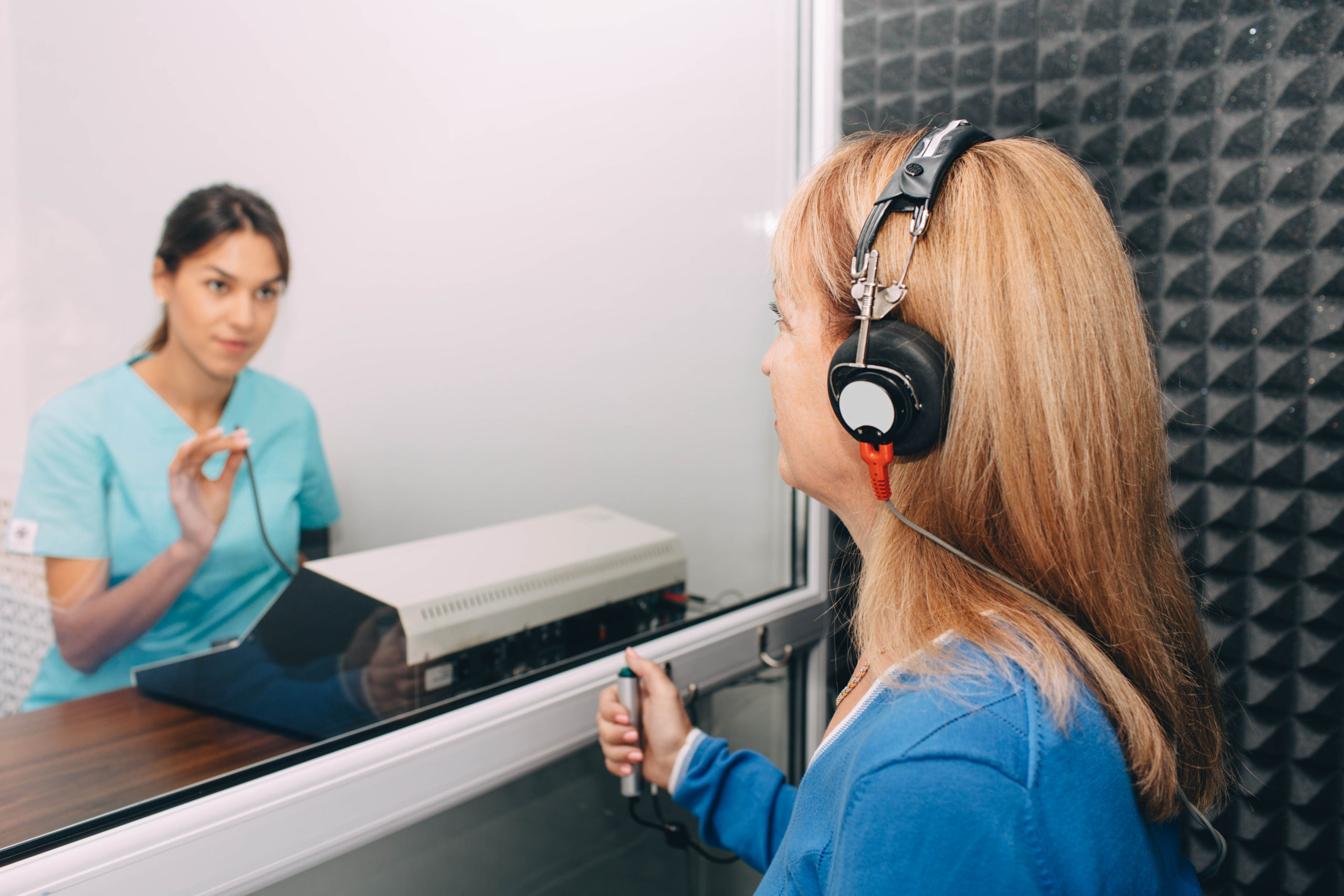
Dr. Gonya-Hartman emphasizes that professional evaluations also account for individual history, including medication use, noise exposure, and family background. By comparing performance between the two ears and testing how the auditory system processes complex sounds, audiologists can determine whether a patient requires intervention, monitoring, or further diagnostic assessment of the middle ear. These results establish a long-term baseline, allowing for accurate tracking of changes that subjective personal impressions might miss. Ultimately, a clinical visit serves as a holistic diagnostic tool rather than a binary pass-or-fail result.


Comments (0)
No comments yet. Be the first!