
The Spot + Scrub marks a shift in Dyson’s strategy, moving away from the D-shaped design and vSLAM navigation of the 360 Vis Nav toward a more conventional circular form factor. By utilizing lidar paired with AI-driven obstacle detection, the robot navigates complex spaces with a precision previous Dyson models lacked. However, this pivot appears to be built upon the R2 platform from Shenzhen Picea Robotics, an original design manufacturer. This reliance on external engineering means the vacuum system lacks the signature power associated with the Dyson name, resulting in a machine that struggles significantly on high-pile carpets.
Dyson’s Spot + Scrub Ai: A Premium Mop With a Compromised Heart
At $1,200, the Dyson Spot + Scrub Ai represents a significant departure from the brand’s engineering heritage. While it boasts a sophisticated, self-cleaning mopping system and vastly improved navigation, the device’s core vacuuming performance suffers because it relies on third-party motor technology rather than Dyson’s proprietary hardware.
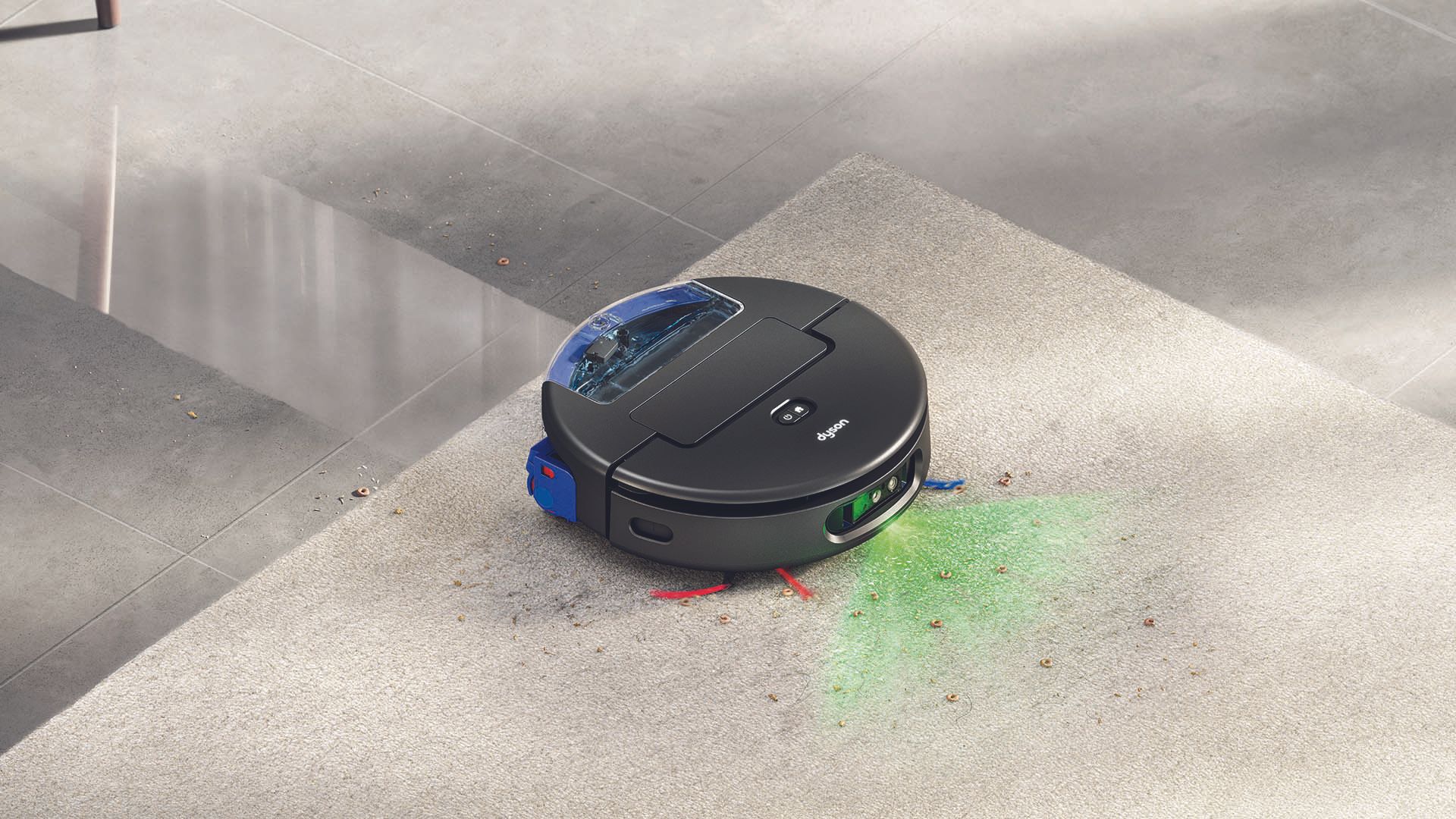
While the robot excels at maintaining its own microfiber roller mop—which extends to clean edges and self-cleans with heated water—the vacuuming experience remains uninspired. Testing revealed that the generic rubber and bristle brush is prone to hair tangles and leaves behind debris that the more powerful Vis Nav would easily clear. Furthermore, the touted AI stain-detection feature failed to identify common household spills during testing, often avoiding them entirely rather than cleaning them. For consumers prioritizing floor maintenance, the Spot + Scrub offers convenience and a superior dock, yet it fails to justify its premium price tag when compared to more capable, lower-priced alternatives from competitors like Roborock or Dreame.



Comments (0)
No comments yet. Be the first!