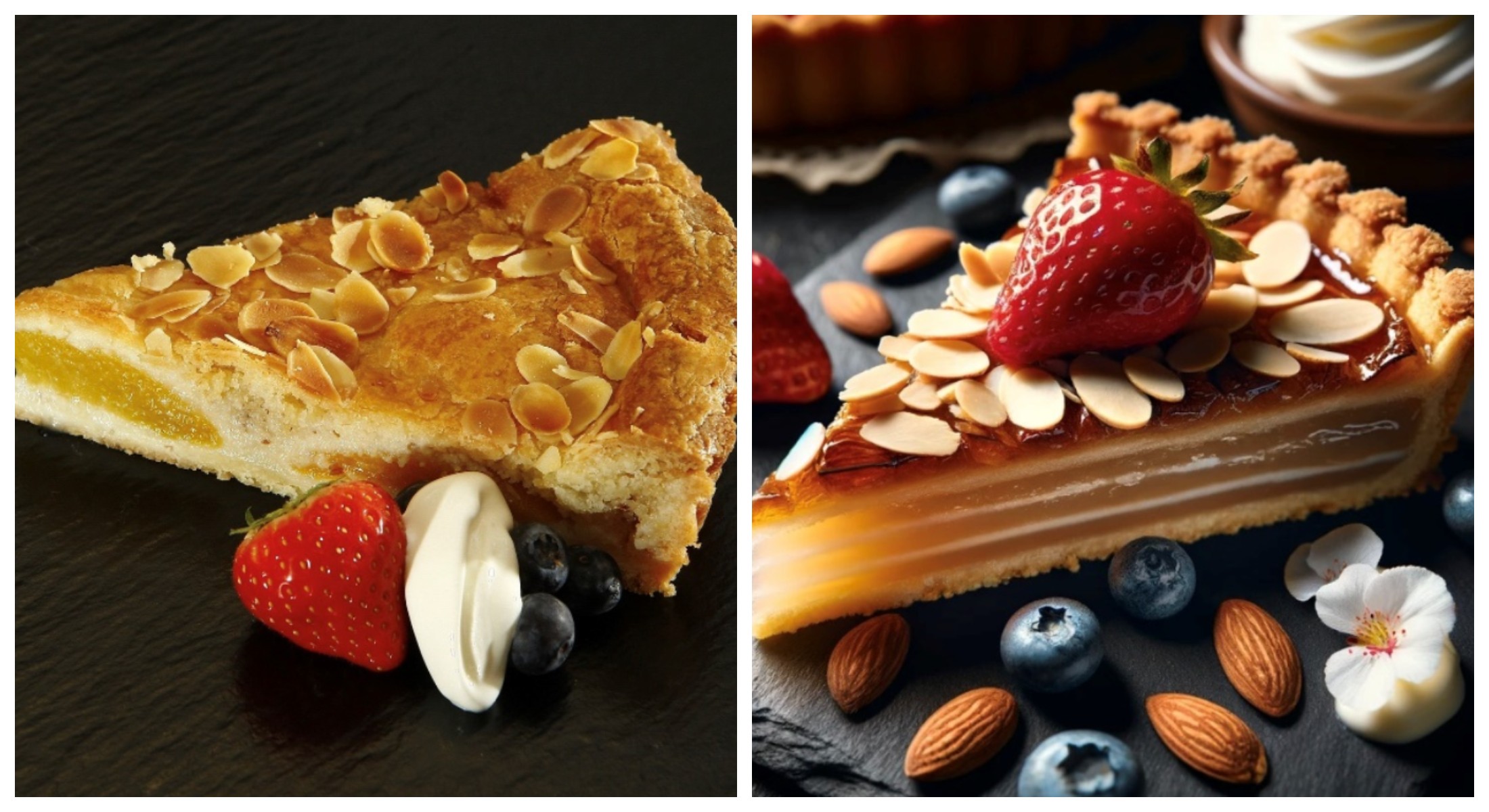
From donut-shaped shrimp to trypophobic burritos, AI-generated food imagery is flooding marketing campaigns with nauseating, non-edible results. While these images are intended to whet appetites, they often trigger a primal disgust response, leaving experts to question why modern diffusion models fail so spectacularly at rendering simple culinary items.
The failure begins with the technical architecture of diffusion models. According to Chris Russell, an AI expert at the University of Oxford, these systems generate images by removing noise from static, building coarse structures before adding fine textures. Often, the model errs during the initial structural phase, later masking those errors with vivid, misplaced details—a process similar to how AI might accidentally grant a human subject six fingers.
Even when the foundation holds, the models struggle with geometry. Giovanbattista Califano of the University of Naples Federico II explains that diffusion systems are notoriously weak at rendering thin, continuous structures like noodles or strands. Without an understanding of physical reality, the AI fails to determine where these elements should terminate, causing them to bleed into illogical patterns. This lack of context is compounded by the training data itself. Roland Meyer, a professor at the University of Zurich, notes that AI reproduces the surface aesthetics of professional food photography—glossy lighting and sharp contrasts—without understanding the professional strategies behind them.
Beyond technical hurdles, the models suffer from a skewed worldview. Because training sets are scraped from the internet, they are often saturated with bizarre memes, surreal AI-generated videos, and extreme imagery rather than depictions of mundane, appetizing meals. Michael Cook of King’s College London suggests that this leads to "model collapse," where AI, trained on the outputs of other AI, produces increasingly degraded, repetitive visuals. Ultimately, human biology makes these errors unbearable. Because our sense of disgust evolved to protect us from parasites and spoilage, the sight of AI-generated "noodly" tendrils or cluster-hole textures triggers a visceral, protective rejection. We recoil because our brains correctly identify these images not as food, but as something fundamentally unsafe.





Comments (0)
No comments yet. Be the first!