
Dissection is a cornerstone of medical education, yet it remains a finite and destructive process. While plastinated models have long served as a durable substitute, they are often fragile, costly, and raise complex ethical questions regarding the sourcing of human remains. Anatomage seeks to solve these limitations by leveraging the volumized data from its established Anatomage Table, a platform already widely used for digital anatomical visualization.
Anatomage Bridges Digital and Physical Anatomy with 3D Printed Models
Medical technology firm Anatomage is moving beyond screen-based training with the launch of Anatomage Replica, a new line of 3D-printed anatomy models. By converting high-resolution digital cadaver data into durable, physical specimens, the company aims to offer a reusable and ethically sourced alternative to traditional plastinated human tissues.
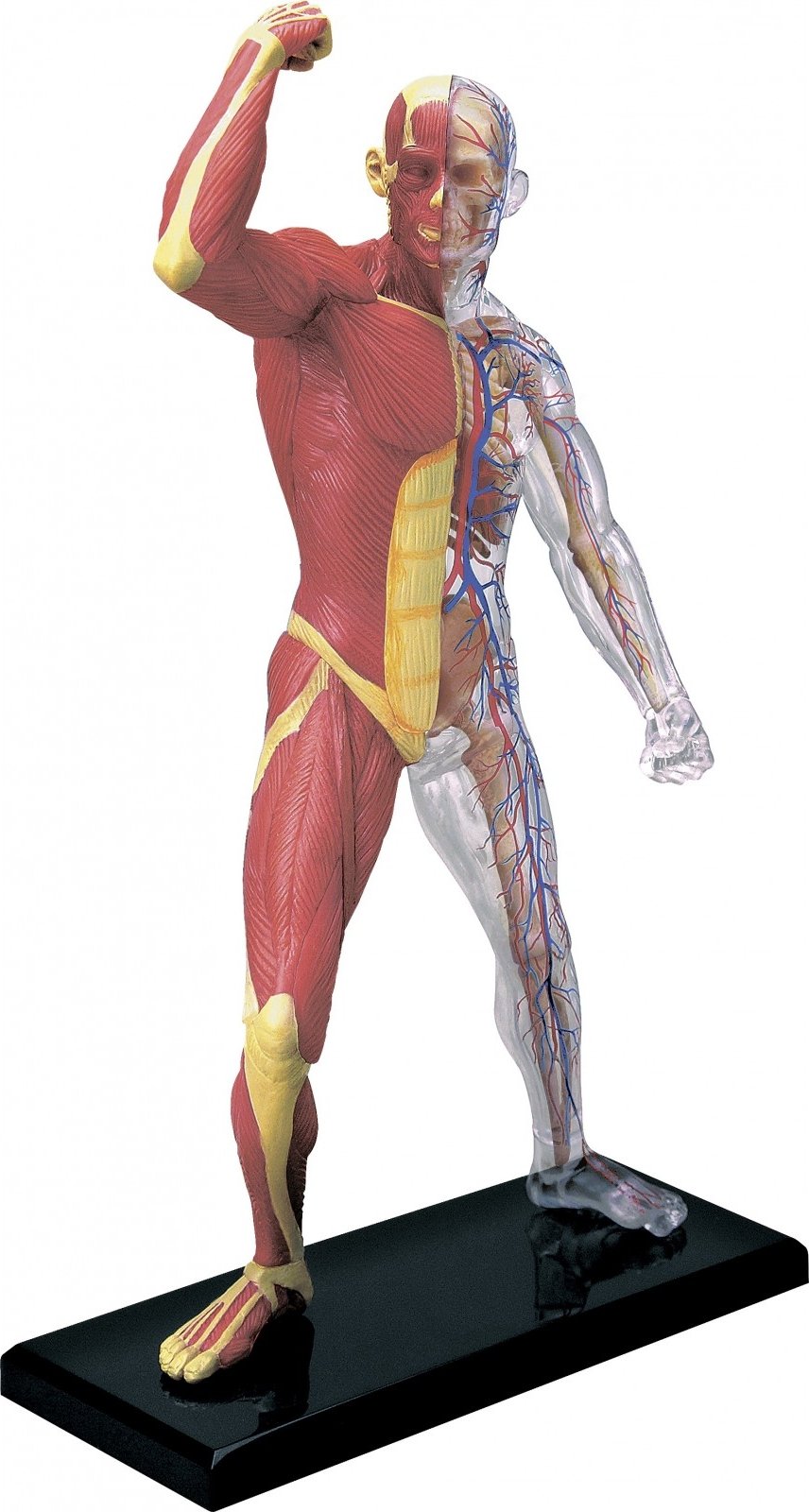
The new models replicate the precise visual characteristics of frozen cadavers, allowing students to examine muscles, ligaments, and nerves in a tactile format. The initial release focuses on five core areas: the heart, brain, hand, knee, and foot. Each unit features detachable layers, enabling users to transition from surface anatomy to deeper internal structures. By aligning these physical models with the company’s existing digital software, Anatomage provides a unified learning experience that allows students to verify digital findings through hands-on practice.




Comments (0)
No comments yet. Be the first!