
The Cybercab represents the ultimate test of Musk’s controversial engineering philosophy: a camera-only perception system that rejects the lidar sensors favored by competitors like Waymo. By stripping away conventional controls, Tesla is betting that its neural networks can approximate human vision well enough to navigate unpredictable urban environments. This shift places Tesla in a position of full legal liability for any failures, a significant departure from years of offloading responsibility onto human drivers when crashes occurred.
Tesla’s Cybercab faces a reality check in Austin
Elon Musk is moving his vision for autonomous transport from investor slide decks to the streets of Austin, Texas. The launch of the steering wheel-free Cybercab marks a high-stakes transition for Tesla, as the company pivots from selling human-supervised driver assistance to operating a fully autonomous robotaxi fleet without traditional safety backups.
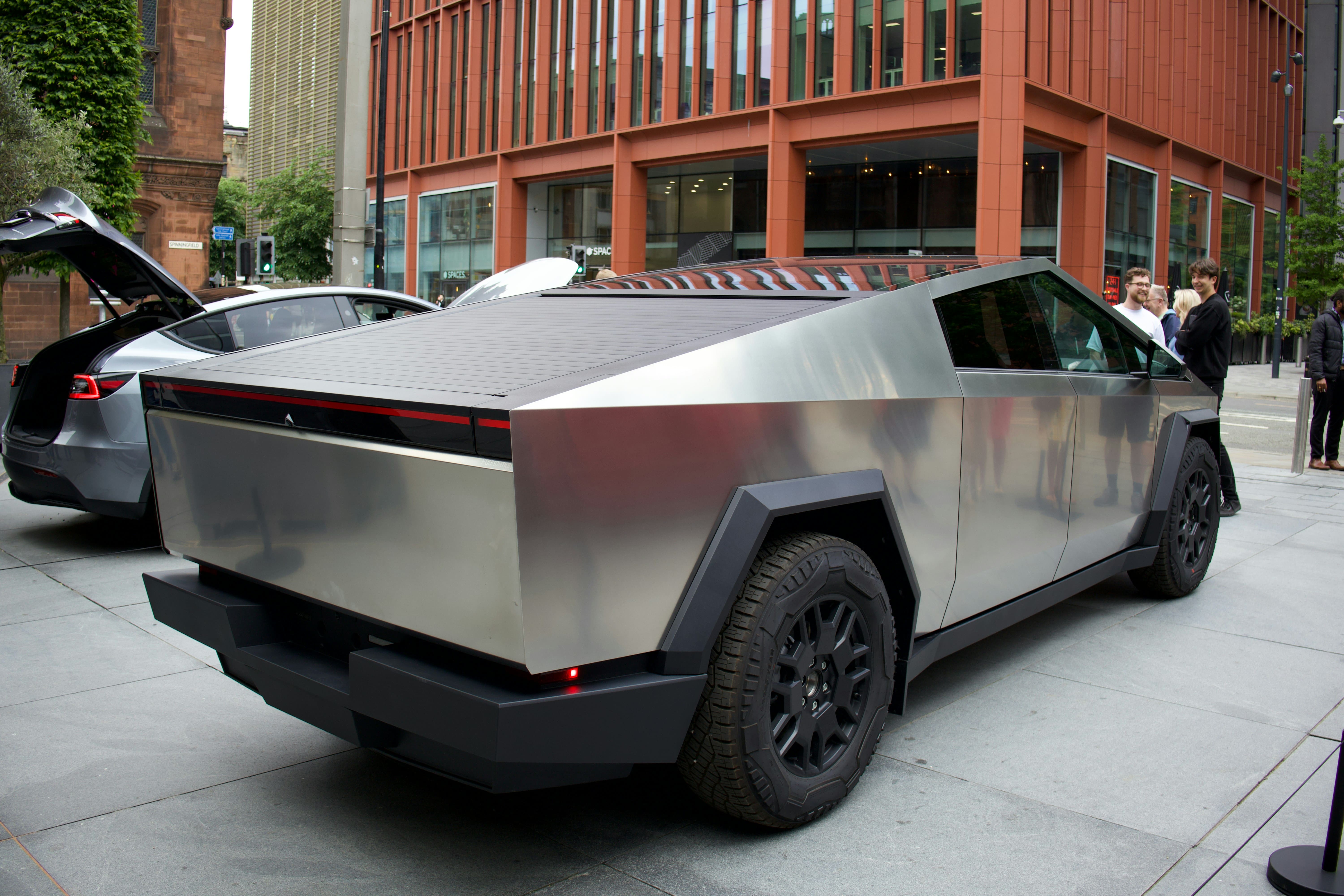
Technological hurdles remain substantial. While Waymo uses a multi-sensor approach to pierce through adverse weather and sunlight glare, Tesla’s reliance on computer vision leaves it vulnerable to perception errors. Furthermore, the absence of steering wheels and pedals creates a regulatory vacuum. To mass-produce the vehicle, Tesla must secure exemptions from federal safety standards, a process that has historically proven grueling for other manufacturers. With the company’s safety statistics currently under investigation by the National Highway Traffic Safety Administration and public trust in the 'Full Self-Driving' brand flagging, the success of the Cybercab will depend on more than just Musk’s promises. Whether the fleet can move beyond its current limited footprint in Austin to achieve scalable, safe operations remains the central uncertainty hanging over Tesla’s autonomy ambitions.
Comments (0)
No comments yet. Be the first!