
The infrastructure bottleneck is not merely financial. While China completes extra-high-voltage lines in roughly 18 months, similar projects in the United States and Europe routinely languish for up to a decade. CIGRE President Konstantin O. Papailiou emphasized that the transition requires a unified, integrated approach where regulators, manufacturers, and operators synchronize their efforts to overcome these systemic delays.
Global Power Grid Expansion Faces Critical Six-Year Funding Gap
With 15,000 experts gathering in Paris for the CIGRE 2026 session, the industry faces a stark reality: annual grid investment must climb to 600 billion dollars by 2030 to support the global electrification of transport, industry, and data centers, a 50 percent increase over current spending levels.
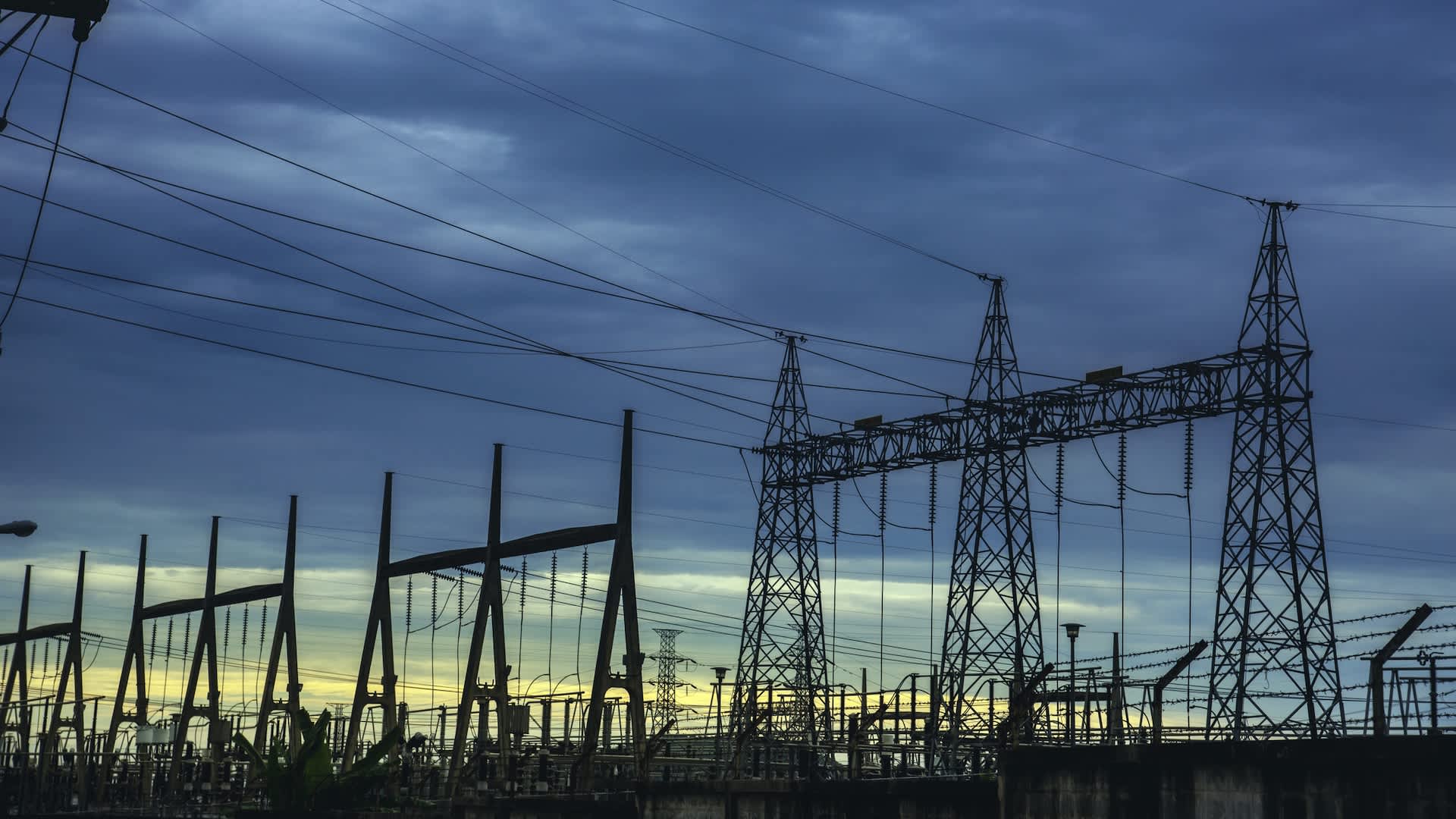
Beyond capital, the sector confronts a severe human resource shortage. The industry currently employs eight million people, but the International Energy Agency projects a need for 1.5 million additional skilled workers by the end of the decade. As French Minister of Industry Mr. Martin noted during his visit to the exhibition, the challenge remains as urgent today as it was when the organization held its first conference in 1921. To bridge this gap, CIGRE is leveraging its innovation fund to prioritize global training and research, aiming to sustain the technical expertise required to build the power systems of the future.



Comments (0)
No comments yet. Be the first!