
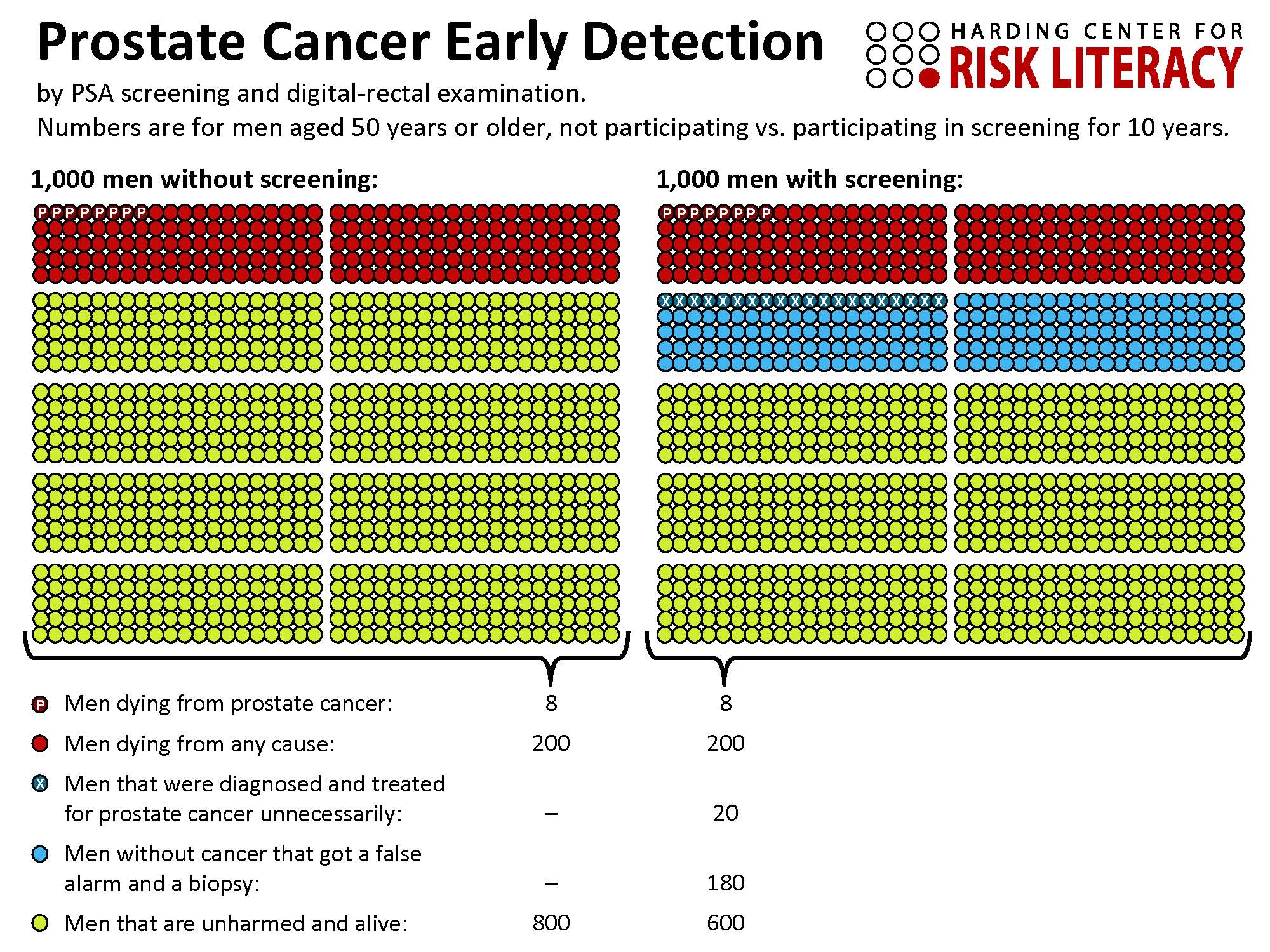
While medical guidelines suggest prostate-specific antigen (PSA) blood tests every two to four years for men at average risk between 55 and 69, nearly 40% of survey respondents report never receiving one. This gap in preventative care is particularly concerning given that one in eight men will face a diagnosis during their lifetime. Jonathan J. Hwang, MD, chair of Urology at MedStar Washington Hospital Center, notes that the disease often develops without clear early symptoms, making regular checkups essential.
Patient experiences highlight the consequences of delayed detection. Jack Chungo, who underwent hormone therapy and CyberKnife radiation at MedStar Georgetown University Hospital, discovered his condition only after experiencing significant weight loss and fatigue. His PSA levels were ten times higher than normal at the time of diagnosis. Although 41% of survey participants reported personal or secondary experience with the disease, only 6% could identify the full range of warning signs, such as urinary changes, erectile dysfunction, or persistent lower body pain.



Comments (0)
No comments yet. Be the first!