
The Colorado Future Systems Policy Sprint marks the first time the Federation of American Scientists (FAS) has applied its policy entrepreneurship model at the state level. In collaboration with the Institute for Science & Policy at the Denver Museum of Nature & Science and the Association of Science and Technology Centers (ASTC), the group selected nine proposals from dozens of local submissions. Contributors refined these concepts into implementation-ready memos, specifically designed to navigate Colorado’s unique legislative landscape.
Colorado Policy Sprint Yields Blueprint for State-Level Innovation
As federal gridlock stalls national progress, a coalition led by the Federation of American Scientists has unveiled nine actionable policy proposals tailored for Colorado. The initiative aims to transform the state into a testing ground for evidence-based solutions addressing labor shortages, energy vulnerabilities, and critical climate challenges.
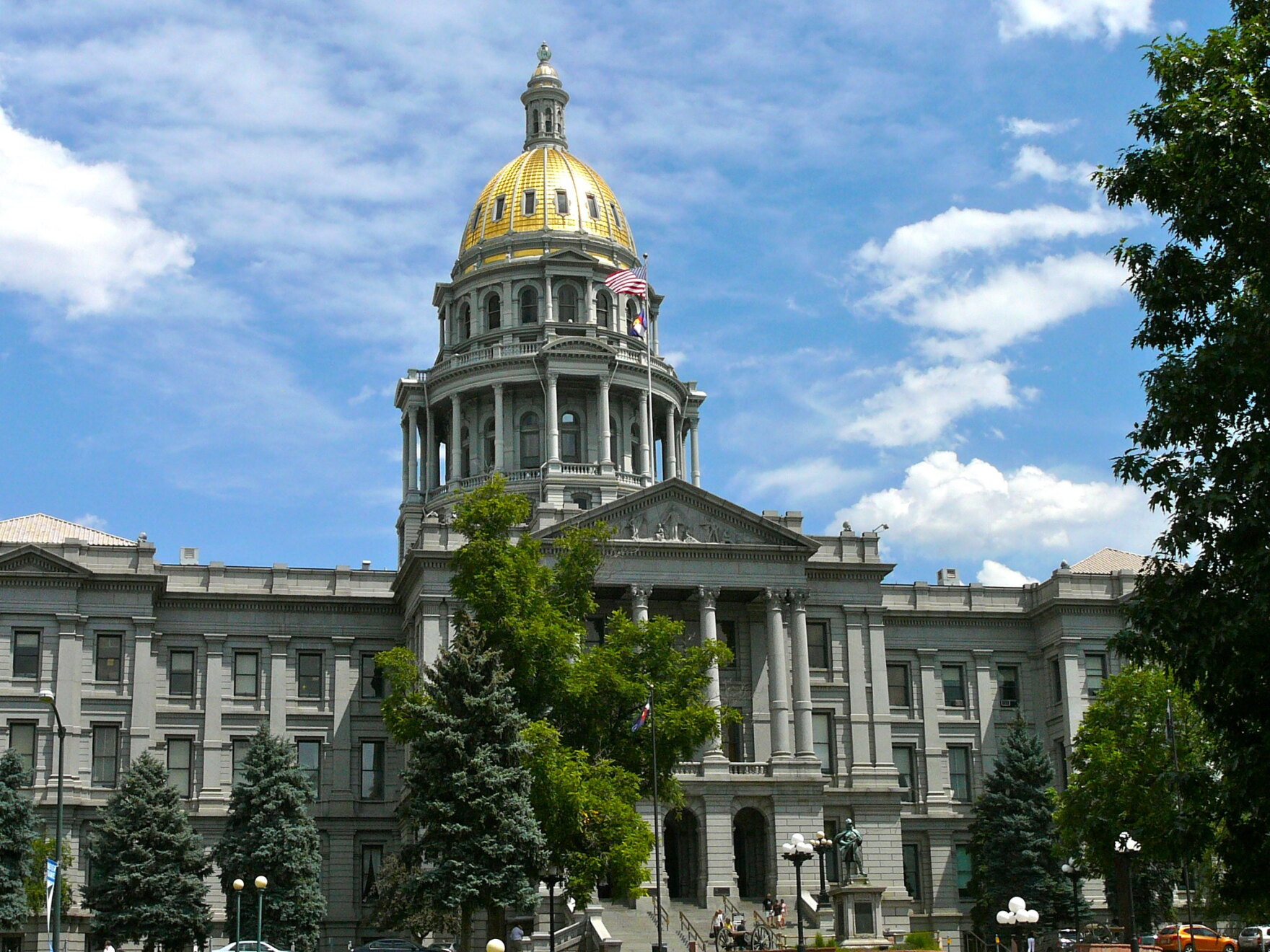
Dr. Jedidah Isler, FAS Chief Science Officer, emphasized that states must function as laboratories of democracy to address systemic issues like aging labor markets and shifting energy demands. The resulting memos prioritize community-driven data, focusing on practical concerns such as water scarcity and electric grid resilience. Kristan Uhlenbrock, Executive Director of the Institute for Science & Policy, noted that the value lies not just in the final proposals, but in the non-partisan, evidence-based process used to produce them. By embedding local expertise into technical policy frameworks, the coalition intends to provide the state’s next gubernatorial administration with a ready-to-use roadmap for governance.



Comments (0)
No comments yet. Be the first!