
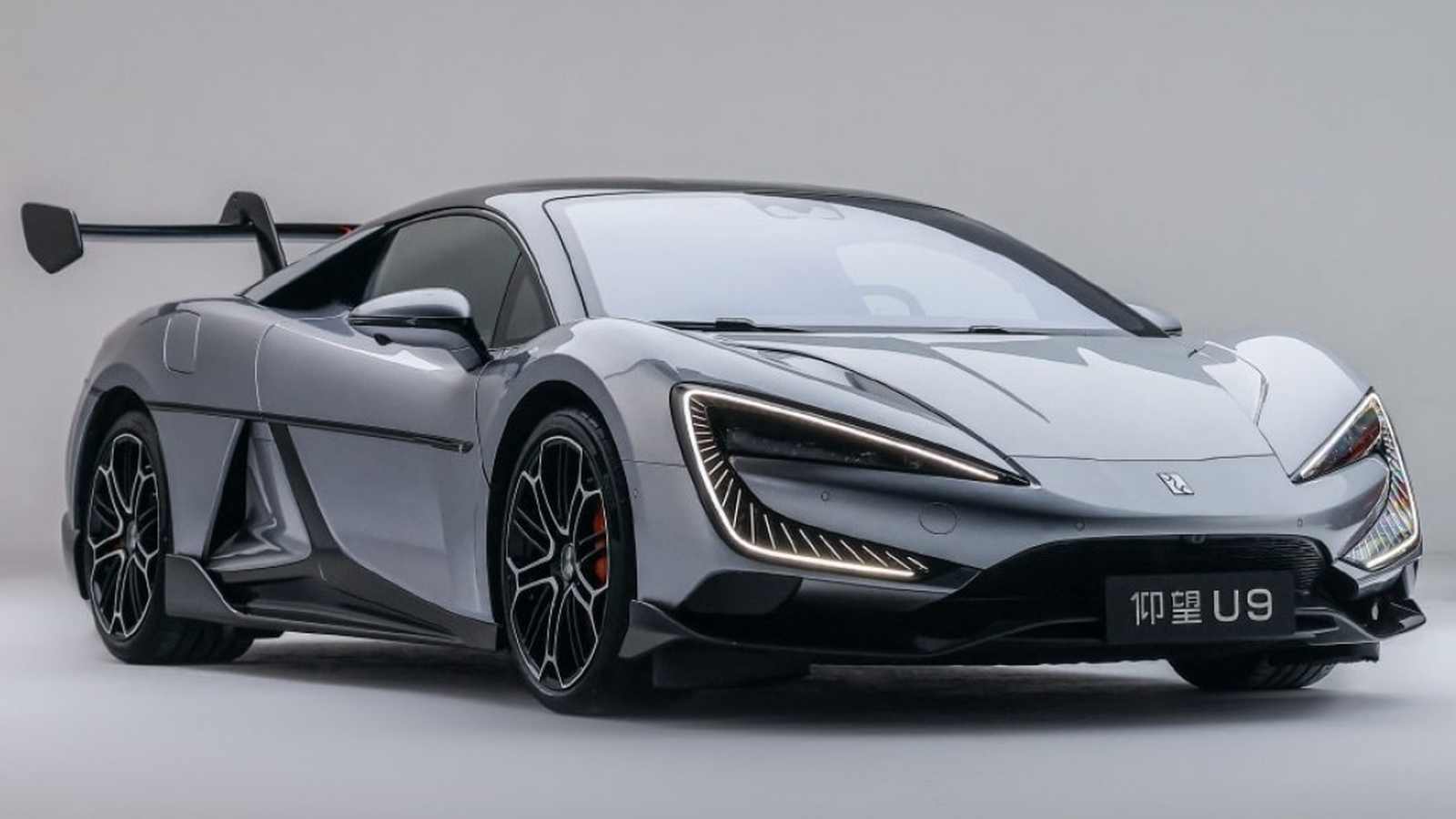
The transformation is rooted in a shift from engine-centric manufacturing to a model defined by seven core components: battery, motor, electronic control, chip computing power, integrated perception, algorithms, and intelligent systems. Companies like BYD and CATL have secured a technological edge here, with CATL’s latest battery tech enabling an 80 percent charge in just three minutes. Meanwhile, software leaders like Huawei and Changan are integrating generative AI directly into the driving experience, effectively turning vehicles into massive innovation hubs for semiconductors and materials.
This shift extends to the factory floor, where 'super factories' have replaced traditional assembly lines with AI-driven, lights-out manufacturing. At Seres in Chongqing, over 3,000 robots operate under an 'industrial brain' that links the manufacturer to 50 core suppliers, boosting R&D efficiency by 20 percent. Similar facilities, such as Xiaomi’s Beijing plant and BYD’s Zhengzhou site, utilize mega integrated die-casting and digital traceability to sustain production speeds that see vehicles rolling off lines every minute.



Comments (0)
No comments yet. Be the first!