
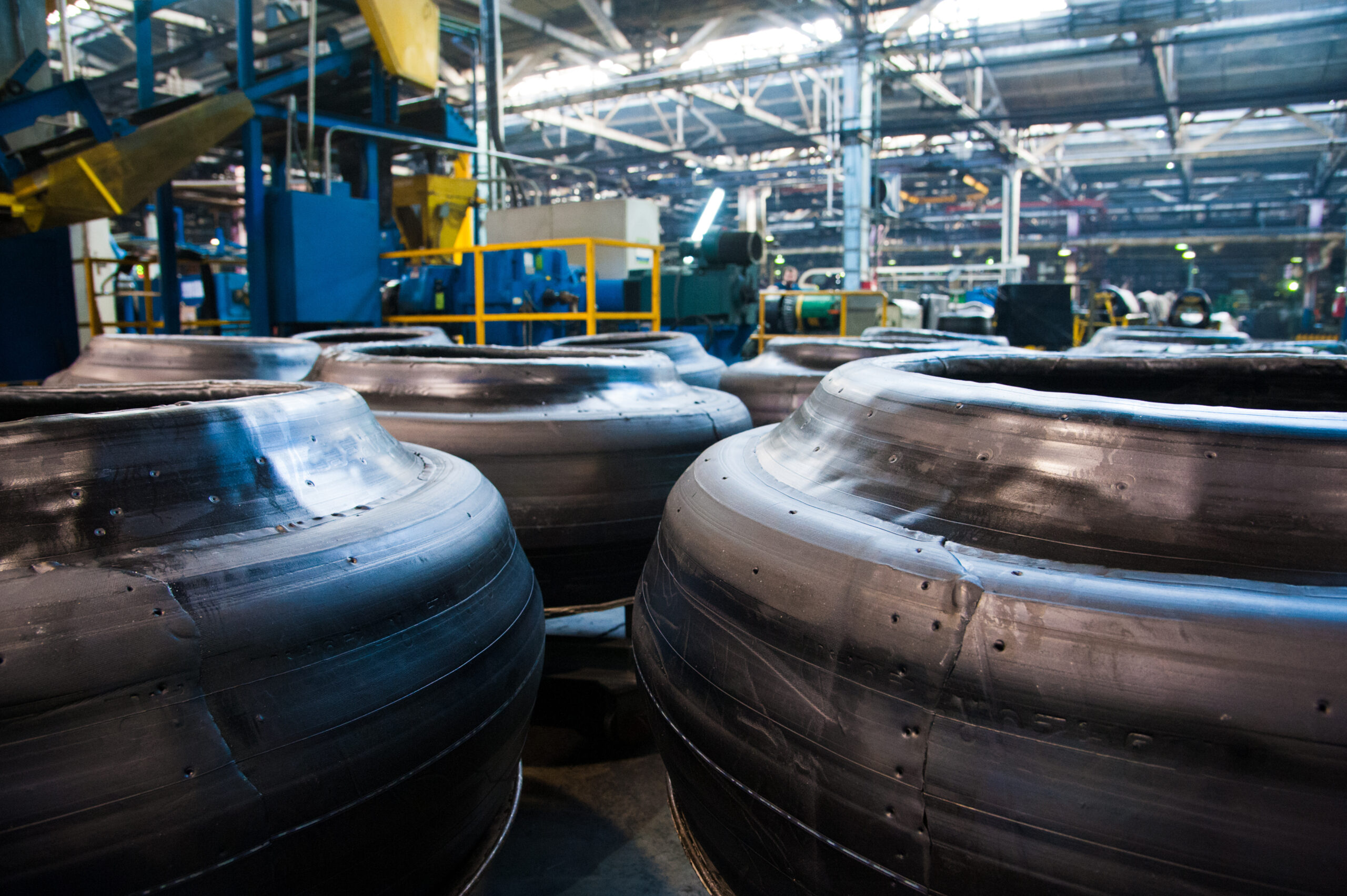
The two selected candidates stand apart from the traditional PPD chemical family. Crucially, they do not form a quinone transformation product during use, a factor linked to the toxicity of current tire additives. Having met internal performance and environmental benchmarks, the molecules are now undergoing rigorous verification to ensure they meet the demands of global tire manufacturers.
Under the new partnership, the USGS Western Fisheries Research Center will evaluate the potential impact of these chemicals on Pacific salmon and other aquatic species. This collaboration utilizes novel testing methodologies that exceed standard regulatory requirements for new chemical registration. These methods include cell-line research, creating a new framework for environmental safety that could eventually extend to other industrial compounds.


Comments (0)
No comments yet. Be the first!