
China’s dominance in the new energy vehicle (NEV) sector is rooted in a deliberate shift away from the traditional internal-combustion model. Since 2015, the country has held the world’s top spot for NEV production and sales, reaching a milestone in 2025 where domestic sales hit 16.49 million units. This represents a 930-fold increase in volume over 13 years, capturing nearly 48 percent of the local market. The transition was bolstered by nearly 100 policy measures introduced since 2014, which moved the industry toward a cohesive framework of intelligent, connected, and electric mobility.
China’s Pivot From Auto Follower to Global Tech Trendsetter
Seventy years after the first vehicle rolled off a Changchun assembly line, China’s automotive sector has shed its status as a global apprentice. By pioneering integrated intelligent systems and dominating new energy vehicle production, the nation is no longer just manufacturing cars—it is dictating the industry’s next technological frontier.
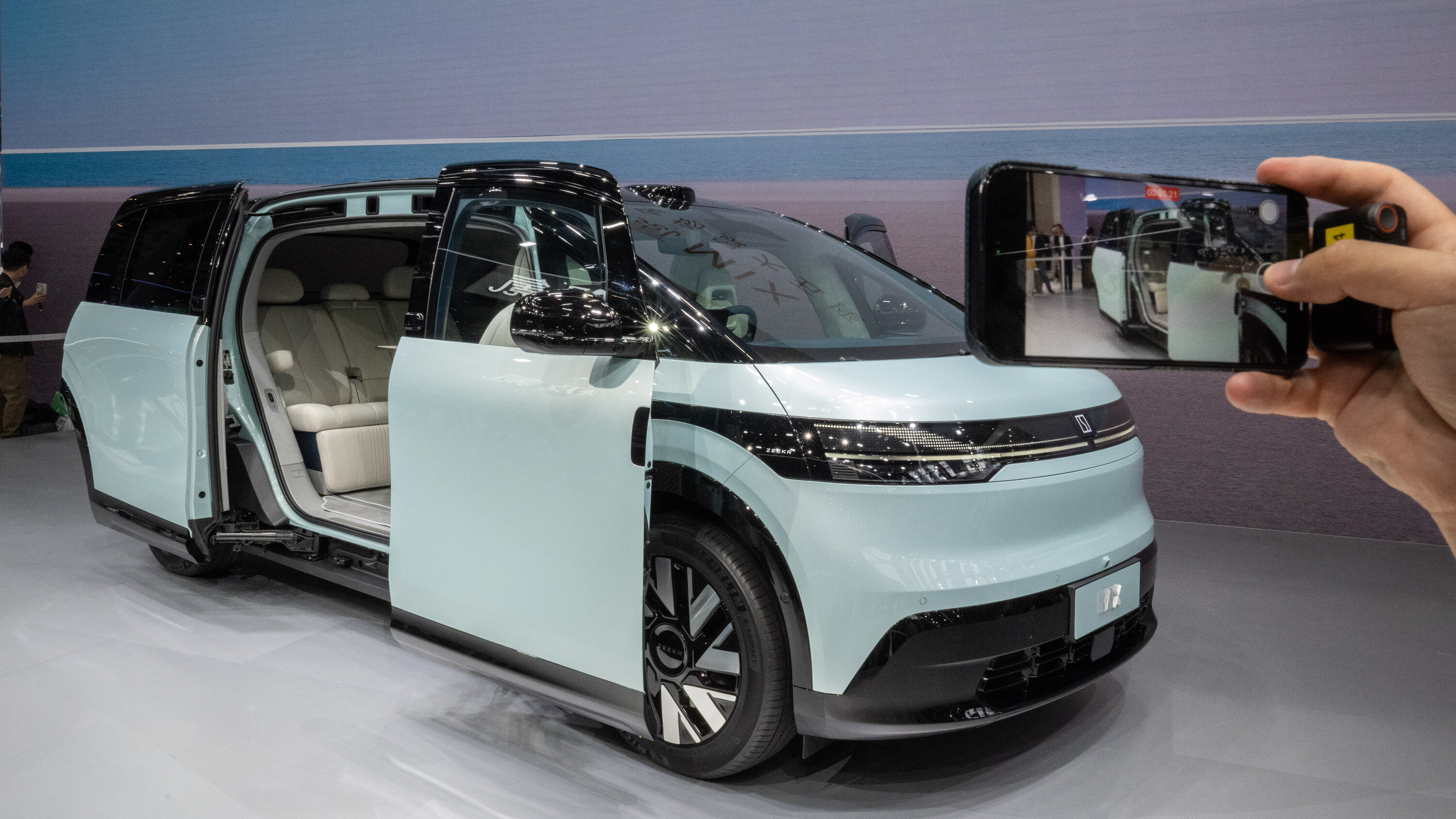
Redefining the Intelligent Vehicle
Unlike global competitors who often treated electrification and digital intelligence as separate development cycles, Chinese manufacturers adopted an integrated strategy. This approach allowed companies like BYD, NIO, and XPeng to synchronize battery technology with advanced software, assisted-driving platforms, and seamless smartphone connectivity. The result is a market where 70 percent of new passenger vehicles now feature Level 2 driver-assistance functions. This rapid innovation cycle has forced a reckoning among legacy automakers, with industry observers noting that foreign executives now visit Chinese auto shows not to scout for low-cost manufacturing, but to study the digital architecture of a new automotive reality. By establishing the world’s first technical standards for intelligent connected vehicles, China has effectively moved from following existing industry tracks to setting the pace for the global market.


Comments (0)
No comments yet. Be the first!