
The political revival of de Gaulle marks a significant shift in how European capitals perceive their relationship with Washington. Long dismissed as a rigid nationalist who resisted supranational integration, the general is being rebranded by a new generation of "eurogaullists." This movement seeks to reconcile his fierce defense of sovereignty with the modern necessity of a unified European defense and industrial policy. From Rome to Berlin, the appeal lies in his insistence on independence and the projection of a distinct global personality, traits that resonate deeply in an era of unpredictable American foreign policy.
The Resurgence of Gaullism in a Fragmented Europe
Standing before the grave of Charles de Gaulle in Colombey-les-Deux-Églises, French politician Édouard Philippe recently invoked the general’s legacy to propose a new pact for a free Europe. He is not alone; across the continent, leaders are turning to the wartime icon as an unlikely architect for 21st-century strategic autonomy.
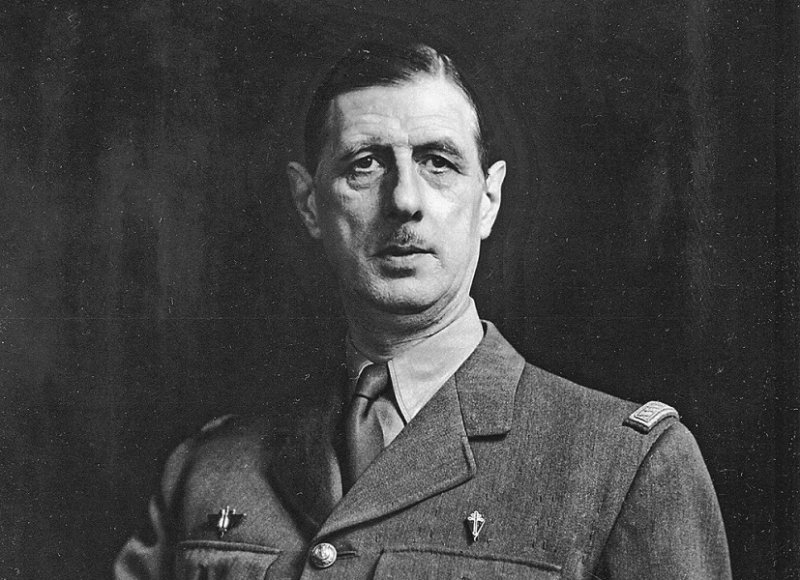
However, this rediscovery faces a fundamental paradox. De Gaulle’s original vision prioritized the nation-state as the sole source of political legitimacy, often clashing with the technocratic machinery of Brussels. While contemporary figures like Emmanuel Macron attempt to translate Gaullist principles into a European-wide framework—advocating for autonomous capabilities and a "third pole" in global affairs—the project remains incomplete. Critics point out that real-world policy, such as the reliance on American military hardware or the hesitation to share nuclear deterrence, often contradicts the rhetoric of independence. For many, Gaullism today serves less as a concrete policy program and more as a vital, if elusive, mindset for a continent struggling to find its footing between global powers.



Comments (0)
No comments yet. Be the first!