A routine dental visit serves as a critical diagnostic checkpoint rather than a simple cleaning session. Sunnyvale-based dentist Dr. Lalitha Kothuri highlights how proactive evaluations and professional hygiene interventions allow clinicians to intercept oral health issues before they escalate, ultimately shifting the focus from reactive treatment to long-term preservation.
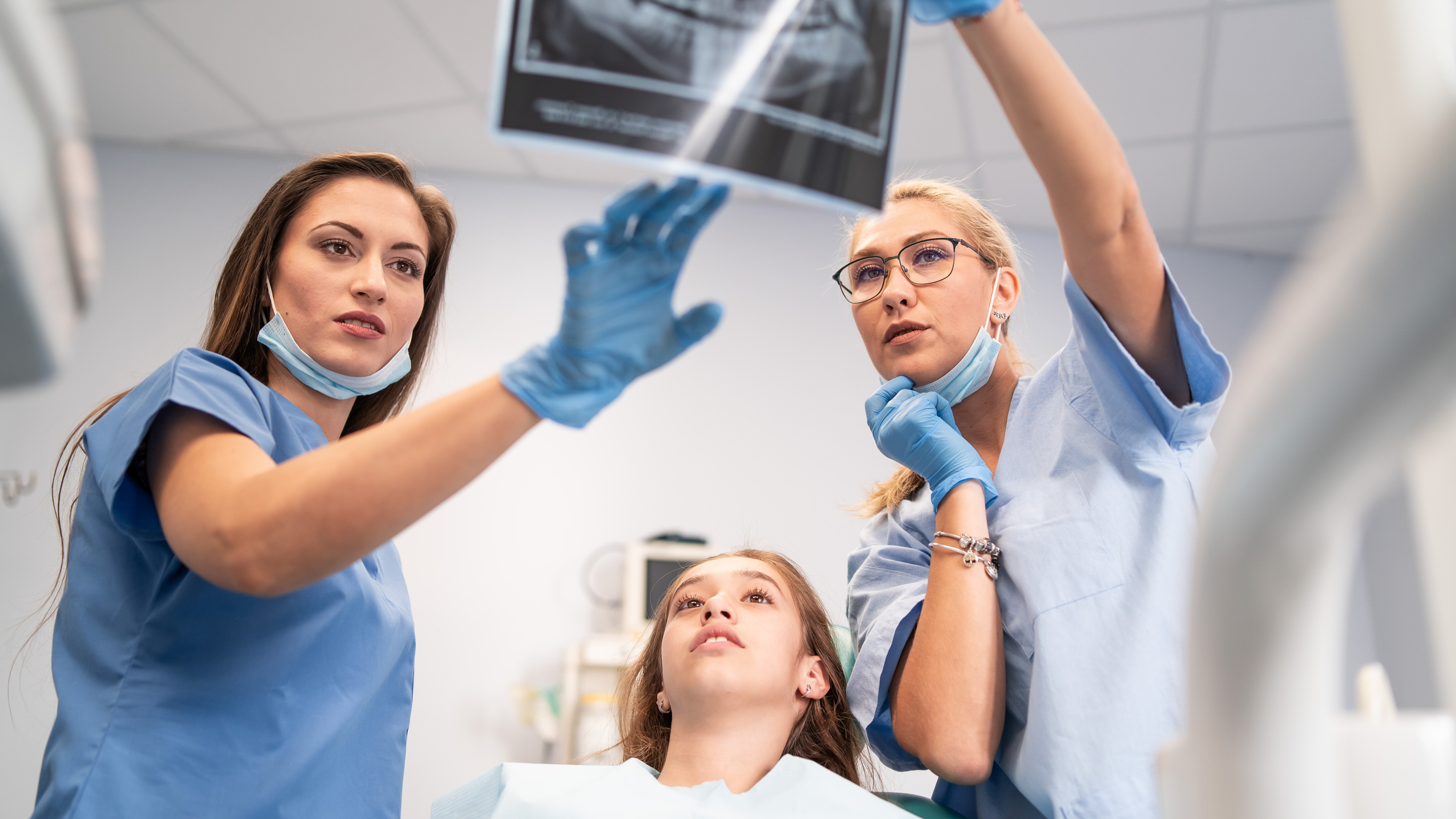
Most dental appointments begin by establishing a clinical baseline. Practitioners review a patient's medical history, specifically noting recent medication changes or symptoms like jaw discomfort and gum sensitivity. This background information informs the subsequent examination, where the dentist inspects the teeth, bite, and soft tissues for signs of infection, decay, or failing restorations. When visual inspection reaches its limits, clinicians utilize X-rays to identify hidden cavities or bone-level changes beneath the gumline.
Professional hygiene is the next pillar of these visits. While daily brushing and flossing are essential, they often fail to remove hardened tartar. Hygienists perform a deep cleaning to eliminate these stubborn deposits, followed by polishing to address surface stains. This process is instrumental in mitigating the risk of periodontal disease and tooth decay.
Dr. Kothuri emphasizes that care must be personalized rather than following a rigid six-month template. Individuals with specific risk factors—such as diabetes, tobacco use, or a history of frequent cavities—often require more frequent monitoring to maintain stability. Beyond the chair, the visit serves as a venue for patient education, where providers tailor hygiene techniques and product recommendations to the individual's unique anatomy. For new patients, these initial consultations also provide the necessary space to discuss cosmetic goals and establish a comprehensive record for all future care.




Comments (0)
No comments yet. Be the first!