
The research, a culmination of a decade-long collaboration between Dr. Joy Pollard and Dr. Scott Hall, centers on the COACH clinical trial—a study examining caregiver coaching via telehealth and in-person models. By using a sequential mixed-methods approach, researchers mapped the real-world hurdles families face, from diagnostic delays to the difficulty of finding specialized providers. These findings underscore a critical shift in methodology: moving beyond traditional top-down clinical research to prioritize the lived experiences of those directly affected by treatment demands.
Bridging the Gap: How Caregiver Feedback Shapes Autism Clinical Trials
For families navigating autism services, the distance between daily struggles and clinical research design is shrinking. Two new studies led by the Center for Social Dynamics and Stanford Medicine demonstrate how integrating caregiver priorities directly into trial protocols creates more practical, responsive models of behavioral health care for neurodiverse children.
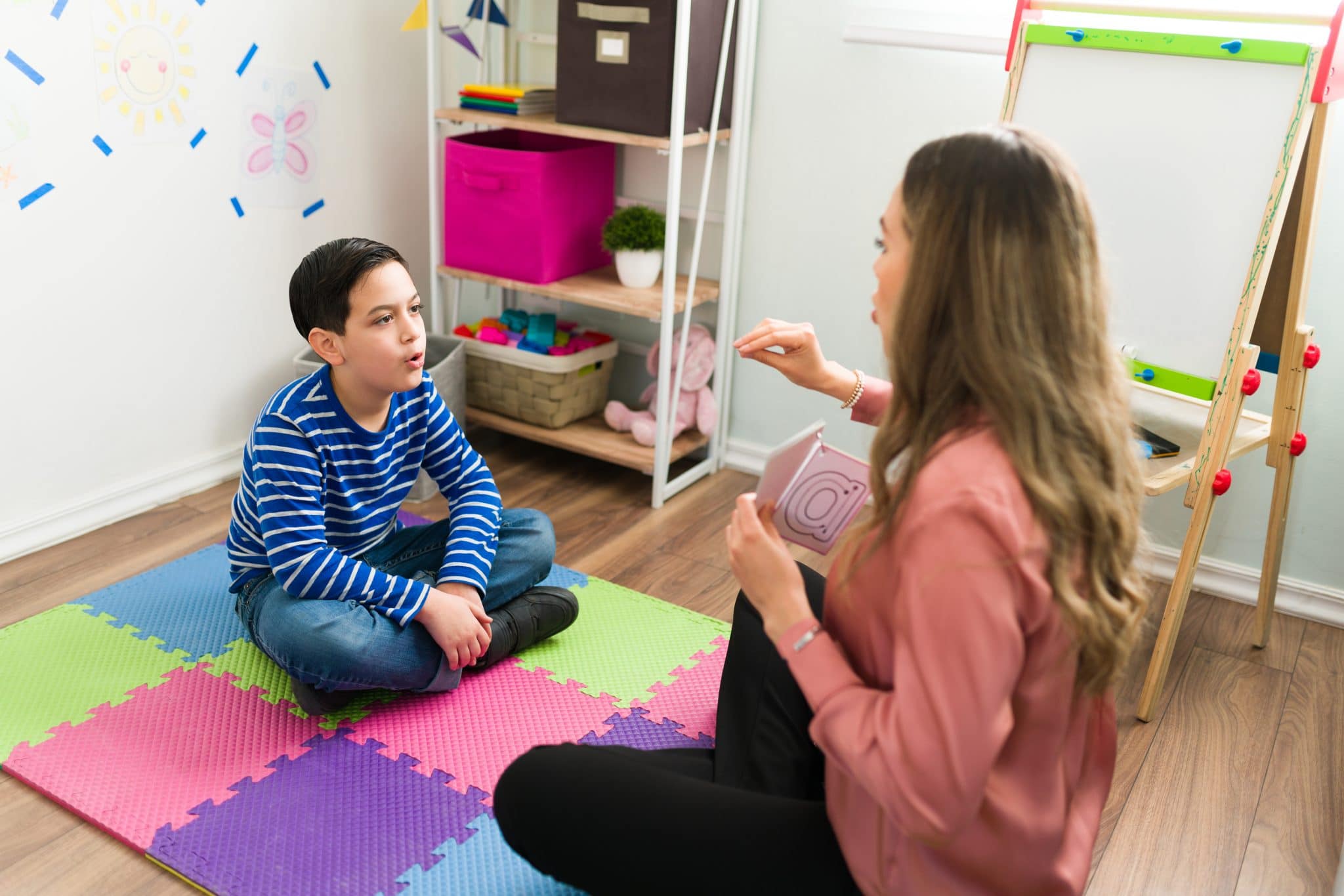
Caregivers consistently pointed to the need for collaborative support and routines that integrate seamlessly into home life. While telehealth emerged as a flexible alternative to in-person care, families highlighted persistent disparities, particularly for rural households facing greater barriers to access. By translating these insights into the formal protocol for the COACH trial, the team has established a blueprint for future initiatives. This community-engaged framework ensures that research questions remain anchored in the actual needs of clinicians and families, ultimately aiming to turn raw feedback into more effective, accessible behavioral health outcomes.



Comments (0)
No comments yet. Be the first!