
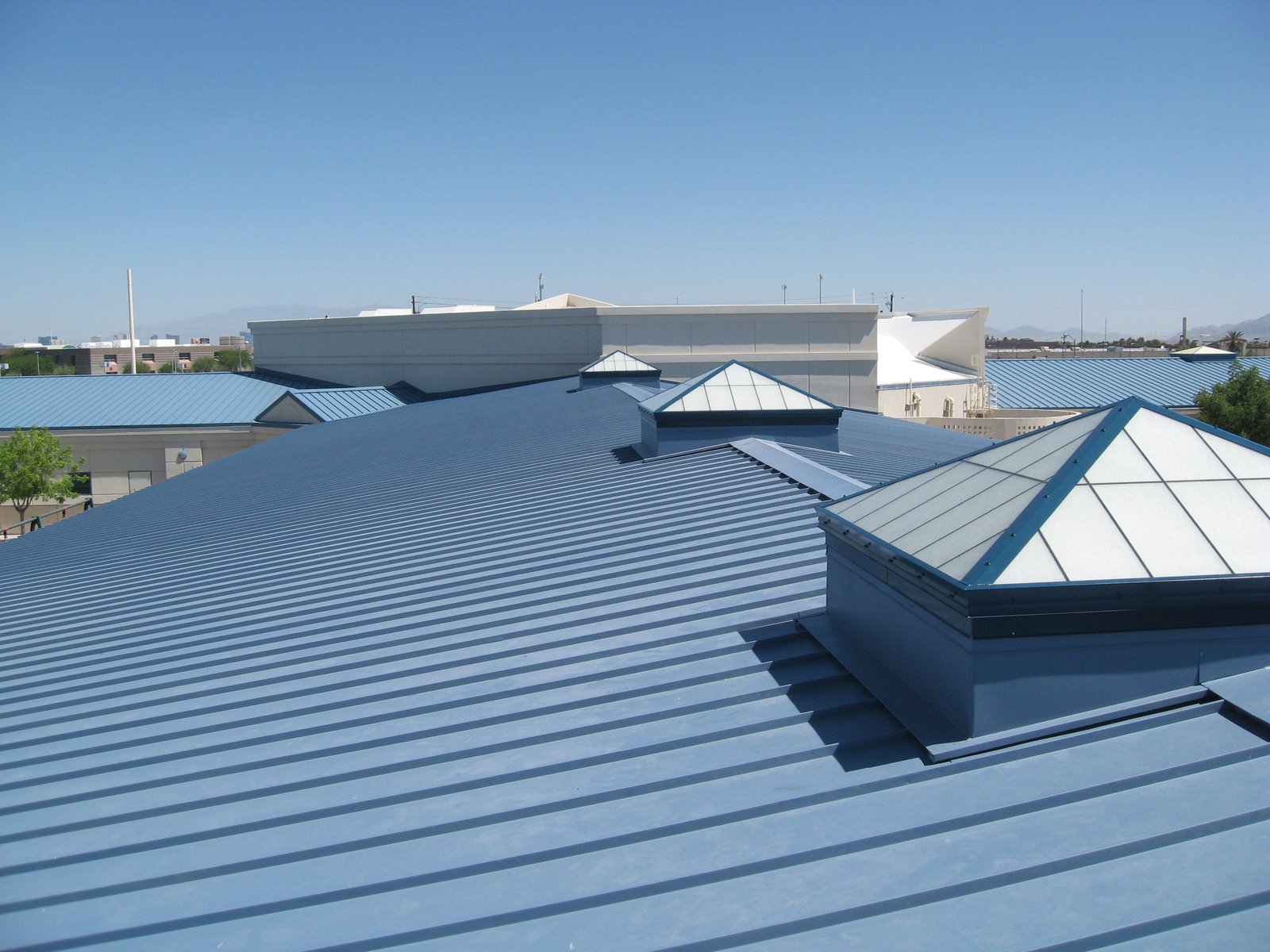
The outer layer of a roof is only the beginning of a defense strategy. According to Edwards, the primary goal is sealing the structure against water intrusion. This relies on high-quality underlayment acting as a secondary barrier, while flashing and sealants around vents and chimneys protect the most vulnerable points. In coastal climates like Southern California, this precision is vital to combat persistent humidity and fog.
Material selection and professional installation are equally critical. Prolonged ultraviolet exposure in the region can degrade inferior materials, leading to premature cracking. However, even the most durable shingles fail if the attic cannot breathe. Proper ventilation—using ridge and soffit vents—is the only way to regulate attic temperature and prevent moisture buildup from household activities. When these systems are ignored, heat trapped under the roofline leads to energy inefficiency, mold growth, and eventual structural damage.



Comments (0)
No comments yet. Be the first!