
The city’s development strategy centers on the Millennium Forest initiative, which has seen 32,200 hectares of trees planted over the past nine years. This greenery serves as the foundation for a master plan that integrates physical infrastructure with a sophisticated cloud-based management system. Real-time data from roadside lidar sensors and smart lamp posts now optimize traffic flow, while automated monitoring systems ensure municipal services—such as waste management—respond to local needs within minutes.
Xiong'an: A Digital Blueprint for Urban Living
With forest coverage climbing from 11% to 35.1% in less than a decade, Xiong’an represents a deliberate attempt to redefine urban development in northern China. By prioritizing environmental restoration alongside a dense network of digital sensors, the city aims to balance rapid construction with long-term ecological resilience and resident-focused services.
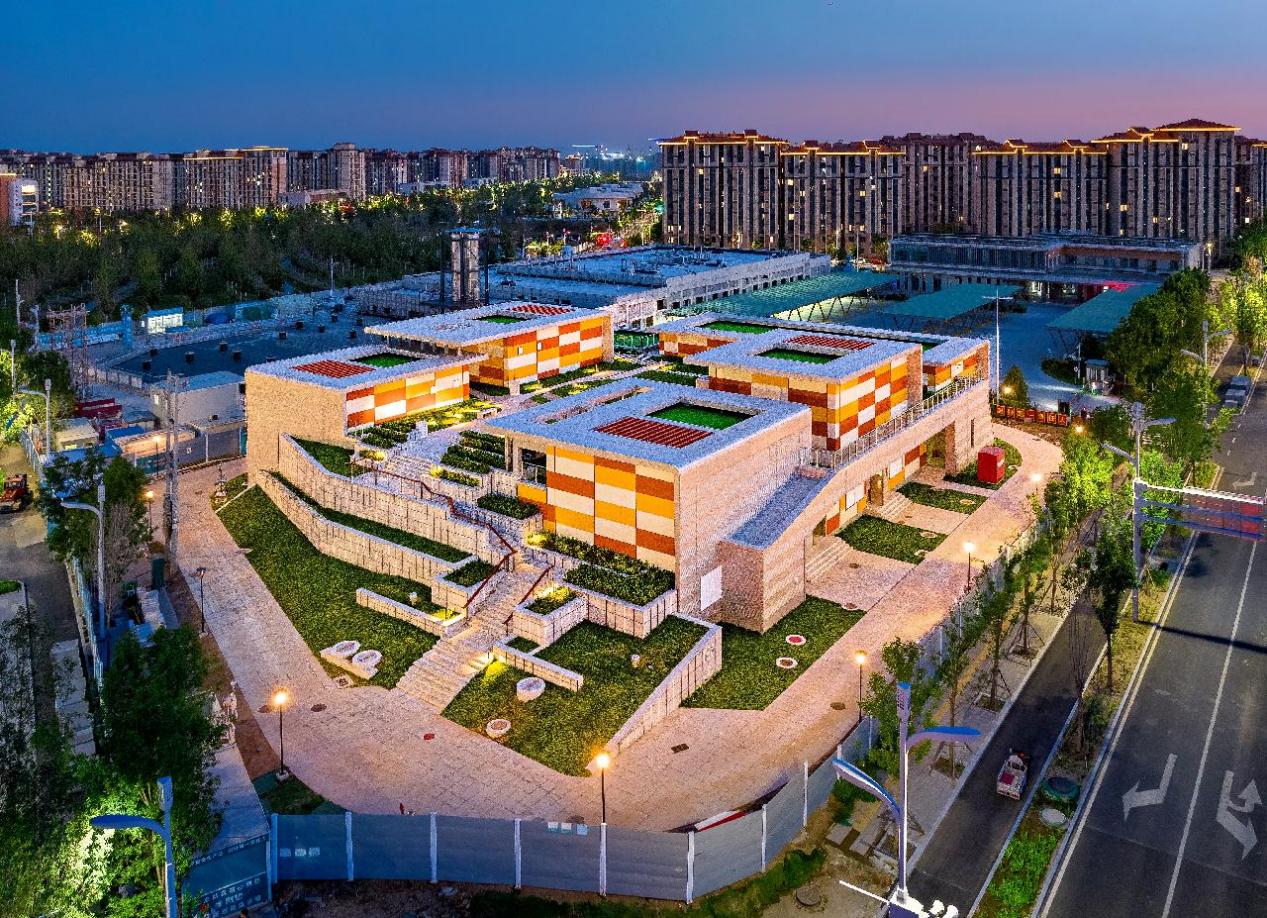
Beyond technical efficiency, urban planners have prioritized human-centric design through the implementation of 15-minute living circles. This model ensures that essential services, including healthcare, education, and elder care, remain accessible within a short distance of residential hubs. Currently, the city hosts 105 educational institutions and 80 dedicated facilities for the elderly. By shifting from a quiet, underdeveloped area to a high-tech urban center, Xiong’an seeks to establish a sustainable model for future development, positioning itself alongside the rapid growth trajectories previously seen in Shenzhen and Pudong.

Comments (0)
No comments yet. Be the first!