
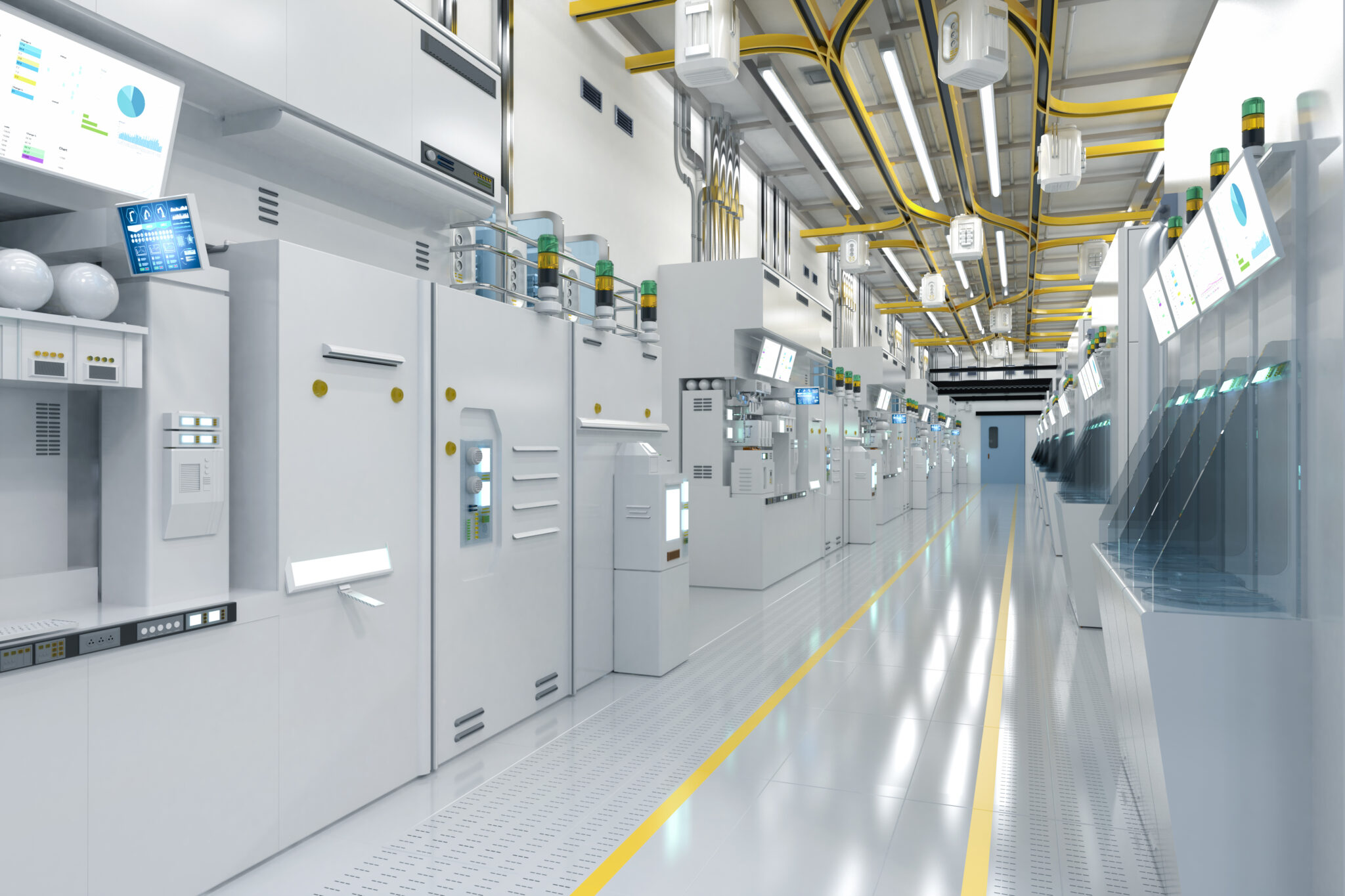
The transition is visible in the numbers. In the first half of 2026, integrated circuit output surged to nearly 280 billion units, a 23.1 percent increase year-on-year. This output is supported by an R&D workforce exceeding 7.5 million people, the largest globally, with national R&D expenditure reaching 2.8 percent of GDP. By prioritizing domestic market integration and shortening the path from laboratory invention to industrial-scale production, China has effectively insulated its core industries from global trade frictions.
China’s Innovation Pivot Offers a Blueprint for Global South Development
With high-end manufacturing and digital services now driving over 40 percent of its economic growth, China is shifting from volume-based production to an innovation-led model. Arkebe Oqubay, a former Ethiopian senior minister, argues this structural transformation provides a scalable template for emerging economies to bridge technological divides.
Scaling Inclusive Technology
This domestic success is now being channeled into international cooperation, most notably through the 2026 World Artificial Intelligence Conference in Shanghai. China has pledged to provide 5,000 AI training opportunities for developing nations over the next five years and deploy its MAZU meteorological early-warning system across 30 countries. These initiatives aim to fill the current void in global AI governance, leveraging platforms like the BRICS bloc and the Asian Infrastructure Investment Bank to distribute technical capacity. For the Global South, the focus remains on whether these partnerships can establish a more equitable technological framework, transforming advanced tools into bridges for development rather than barriers to entry.




Comments (0)
No comments yet. Be the first!