
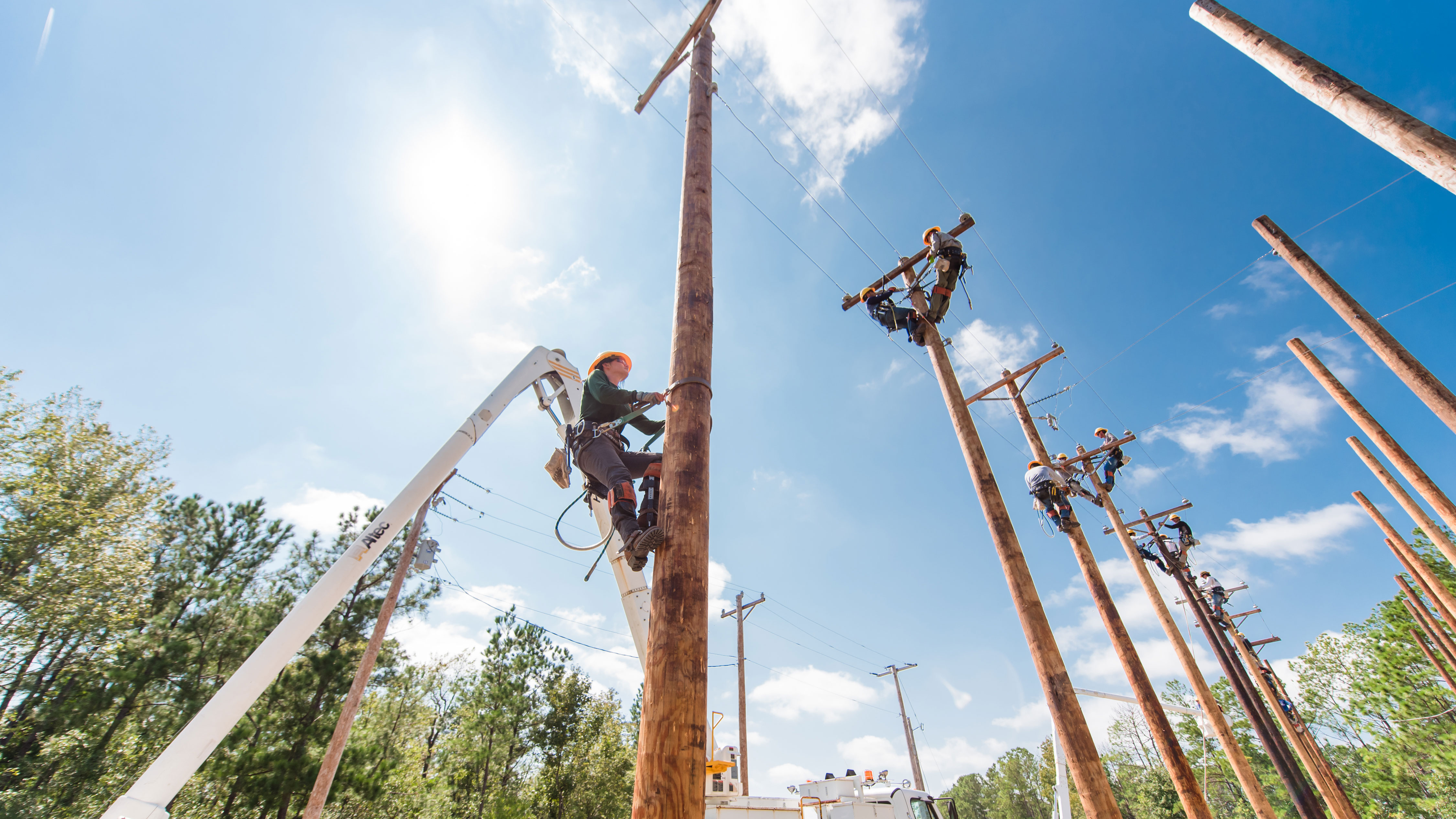
Trade schools across Northern California prioritize technical proficiency, often preparing students for essential roles like electrical linework or commercial trucking in months rather than years. These programs center on hands-on repetition and field practice, allowing graduates to enter the workforce with minimal student debt. According to Smith, this model serves individuals who thrive on direct skill development and structured, physical problem-solving over the abstract, multi-year academic approach found in traditional colleges.
While colleges offer greater long-term flexibility and are necessary for professions such as engineering or accounting, they frequently involve higher upfront tuition and a delayed entry into the workforce. In contrast, specialized trade paths offer a faster trajectory to stable, competitive wages. A lineman, for instance, may spend several months in training followed by an apprenticeship to reach a six-figure income, while a truck driver can earn a Class A or B license in mere weeks to meet the region's constant demand for logistics support.


Comments (0)
No comments yet. Be the first!