
Gum recession ranks as a primary driver of these gaps. As tissue pulls away, it exposes more of the tooth surface, often due to aging, aggressive brushing habits, or periodontal issues. Bone loss further complicates the issue by depriving the gums of the support they need to maintain their position between teeth. Even the natural geometry of a smile plays a role: teeth with a triangular shape inherently create more space near the gumline than their rectangular counterparts.
Closing the Gaps: Addressing Black Triangles Between Teeth
Those small, triangular gaps near the gumline are more than a cosmetic nuisance; they often signal underlying structural changes. Dr. Radha Patel of Proud Smiles in Sandy Springs, Georgia, explains that while black triangles can affect anyone, identifying whether they stem from receding gums, bone loss, or natural tooth shape is the key to effective correction.
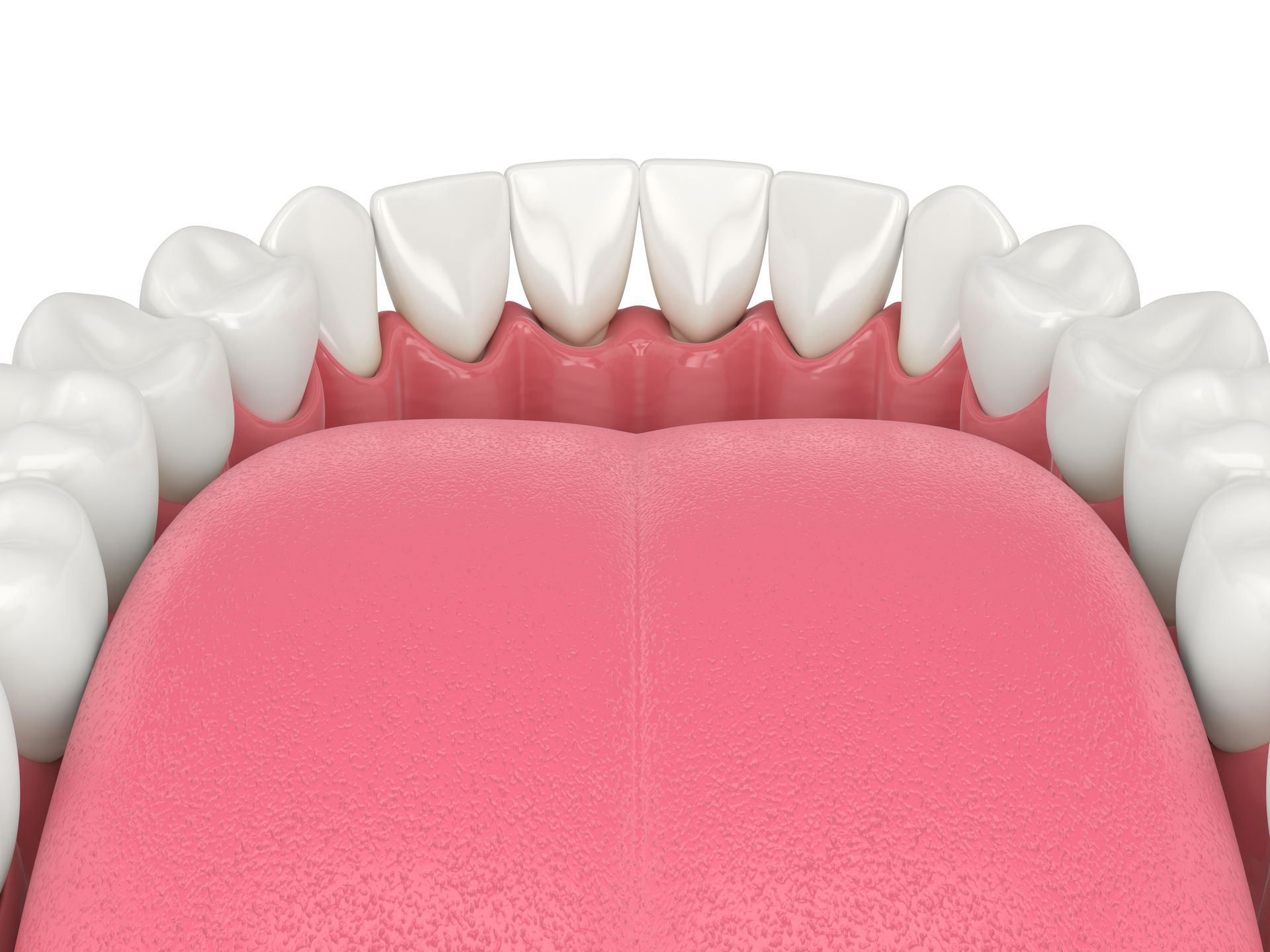
Treatment depends on the root cause. Dental bonding offers a quick solution for minor cases, using a tooth-colored resin to reshape the edges and close the space. When alignment is the culprit, clear aligners can shift teeth into positions that naturally narrow the gaps. For patients dealing with significant tissue loss, specialized gum procedures may be required to restore the gumline. Consistent oral hygiene remains the most effective preventive measure, as early detection of recession or bone loss can stop these gaps from widening over time.




Comments (0)
No comments yet. Be the first!