
The Z Fold 8 represents a calculated shift in hardware philosophy. Measuring 5.5 inches on the outer screen, the device mirrors the proportions of a standard passport, creating a footprint that feels surprisingly natural despite its departure from traditional smartphone dimensions. This shift transforms the device into a more portable, ergonomic tool, particularly for reading and media consumption. At 201g, it stands as the lightest model in the series to date, achieving a slim 9.7mm profile that rivals conventional flagships like the iPhone 17 Pro.
Samsung’s Galaxy Z Fold 8 bets on a wider, passport-style design
Samsung is repositioning its foldable lineup with the Galaxy Z Fold 8, abandoning the narrow, elongated aesthetic of its predecessors in favor of a shorter, wider form factor. By adopting a 4:3 inner display, the company is signaling that the future of foldable hardware may look less like a tablet and more like a book.
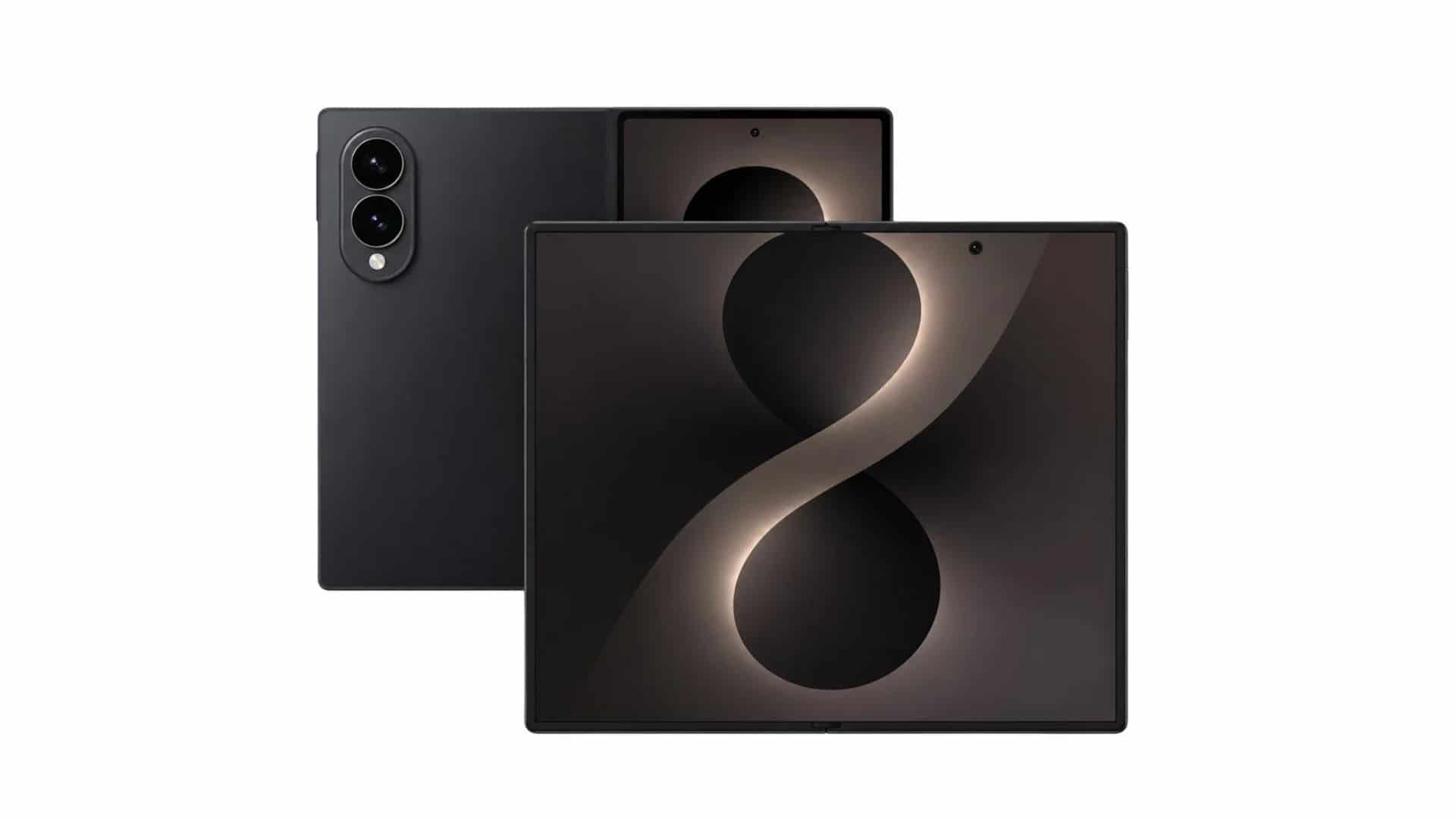
However, the design transition is not without friction. While the wider aspect ratio excels for two-handed typing, some Android applications struggle to reconcile with the unconventional dimensions, occasionally resulting in layout errors or the need for excessive scrolling. Samsung has also made controversial trade-offs to reach this form factor, most notably stripping the device of a dedicated telephoto camera and omitting an IP68 dust-resistance rating. Despite these hardware compromises, the inclusion of a 4,800mAh silicon-carbon battery provides a tangible boost in longevity, suggesting that Samsung is prioritizing daily utility over sheer component density as it prepares for an increasingly competitive market.



Comments (0)
No comments yet. Be the first!