
The strategy centers on absorption chiller technology, which utilizes recovered heat to handle cooling loads, effectively slashing electrical demand for climate control by 44%. By redirecting this saved electricity toward AI workloads, facility managers can bypass the need for additional power generation while achieving a Power Usage Effectiveness (PUE) rating as low as 1.23. The design requires zero on-site water use and is engineered for modular scalability, allowing it to be deployed across sites ranging from 100MW campuses to massive gigawatt-scale installations.
Johnson Controls Unveils Blueprint to Turn Data Center Heat into AI Power
Data center operators could unlock 97MW of additional computing capacity by repurposing waste heat, according to a new reference design guide from Johnson Controls. The technical blueprint offers a path to convert energy typically lost from on-site power generation into cooling, potentially generating billions in revenue for gigawatt-scale AI factories.
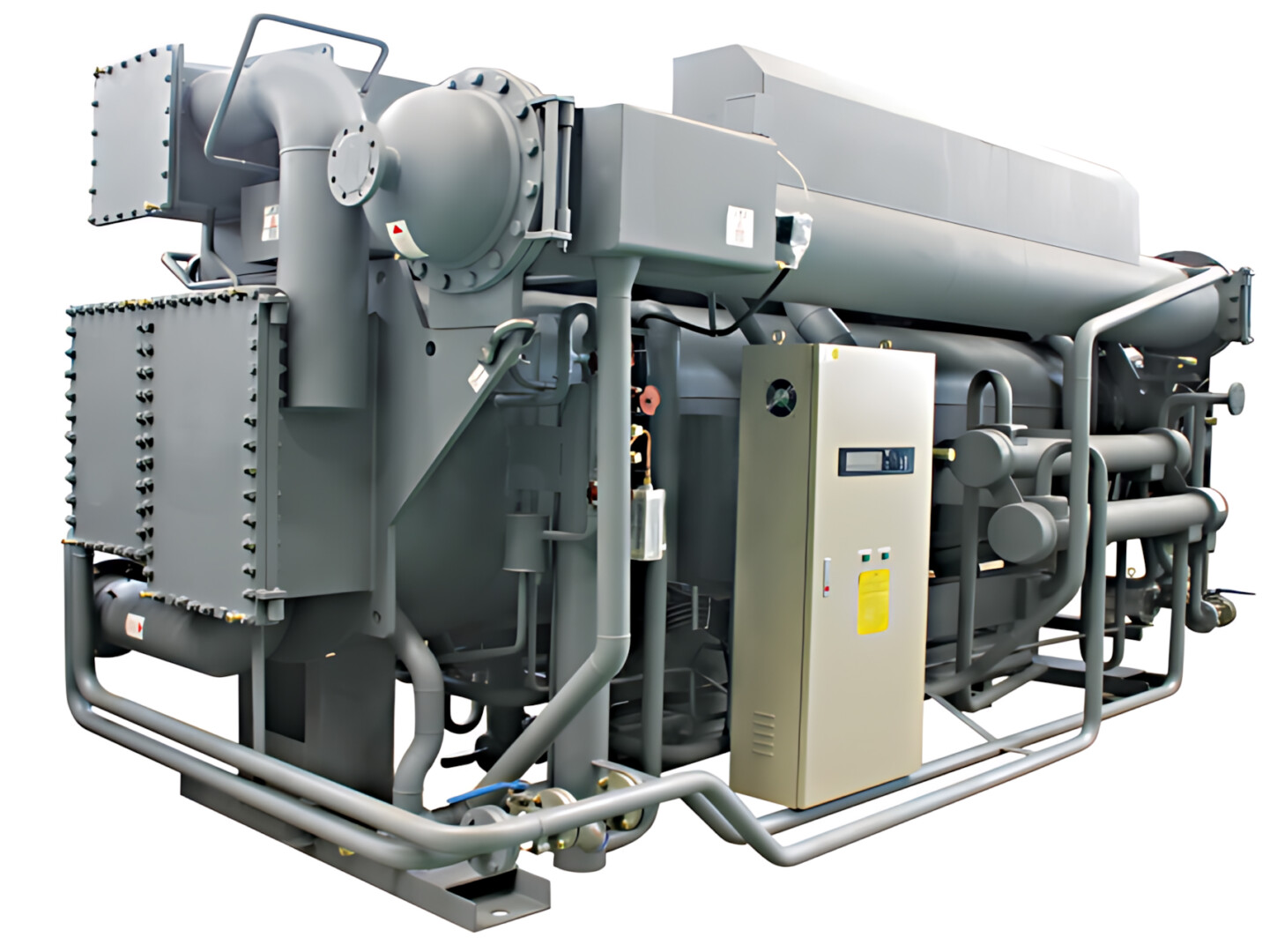
Austin Domenici, president of Global Data Center Solutions at Johnson Controls, noted that the industry has long treated generated heat as a disposal liability rather than an asset. By integrating this into Combined Heat and Power systems, operators can reduce CO₂ emissions by 43%. While these performance metrics are based on modeled AI factory environments, the company emphasizes that the repeatable architecture is designed to accelerate deployment timelines. The system builds on 65 years of YORK absorption innovation, leveraging technology already proven in demanding maritime and manufacturing sectors to provide a more efficient path for rapid AI infrastructure expansion.



Comments (0)
No comments yet. Be the first!