
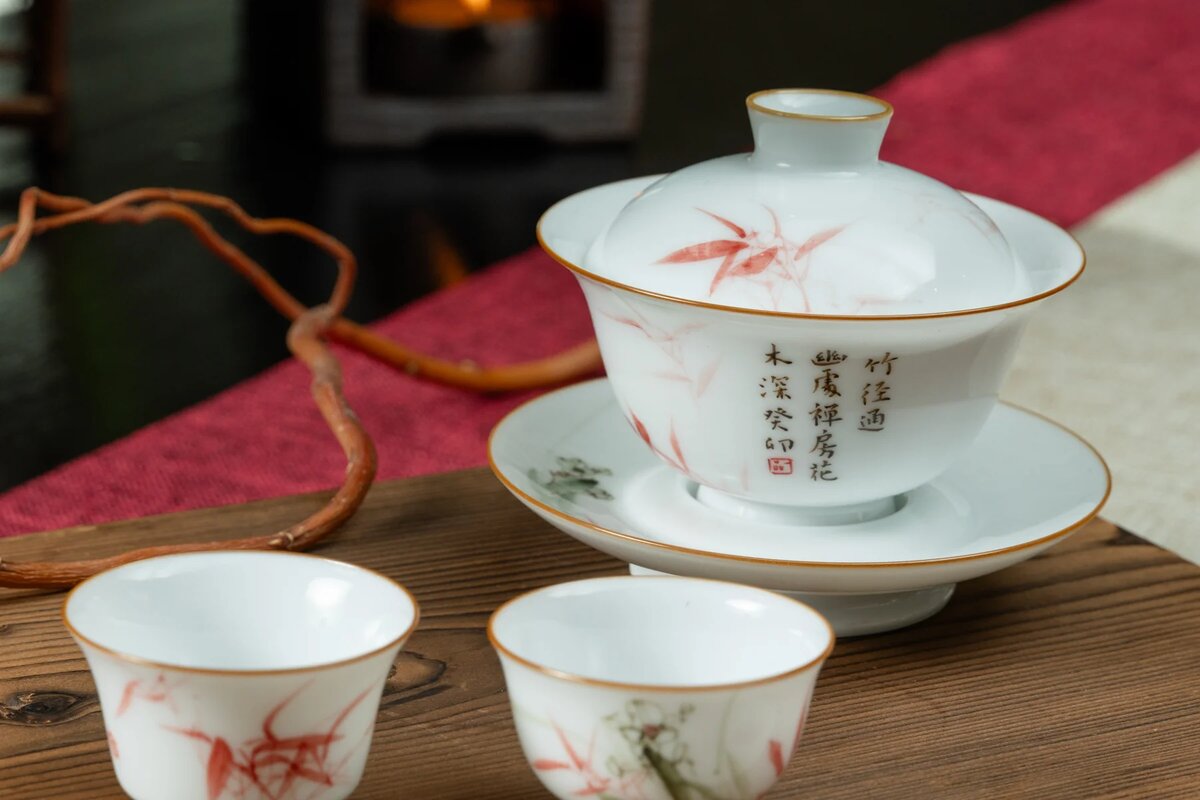
The site, spanning 1,979 hectares, preserves a unique industrial landscape that evolved from the 10th to the 19th centuries. Archaeologists have identified 45 distinct components, ranging from raw material extraction hubs in the wild to the sophisticated Imperial Kiln Factory. Unlike many heritage sites focused on singular monuments, this property captures the entire lifecycle of ceramic production, documenting how technological innovations—such as the transition from dome-shaped to egg-shaped kilns—allowed Jingdezhen to adapt to shifting global tastes.
Excavations at sites like Guanyinge and Luomaqiao have provided physical proof of the city's continuous adaptation. By studying stratified waste heaps, researchers have reconstructed a "gene bank" of techniques that once defined the Ming, Yuan, and Song dynasties. These findings reveal that the industry was not merely a state-run endeavor but a dynamic ecosystem where imperial demands and civilian innovation constantly intersected. Artisans frequently integrated foreign pigments and design styles—such as the export-oriented Kraak patterns—to cater to European markets, cementing the city's role as a vital node in the Maritime Silk Road.



Comments (0)
No comments yet. Be the first!