
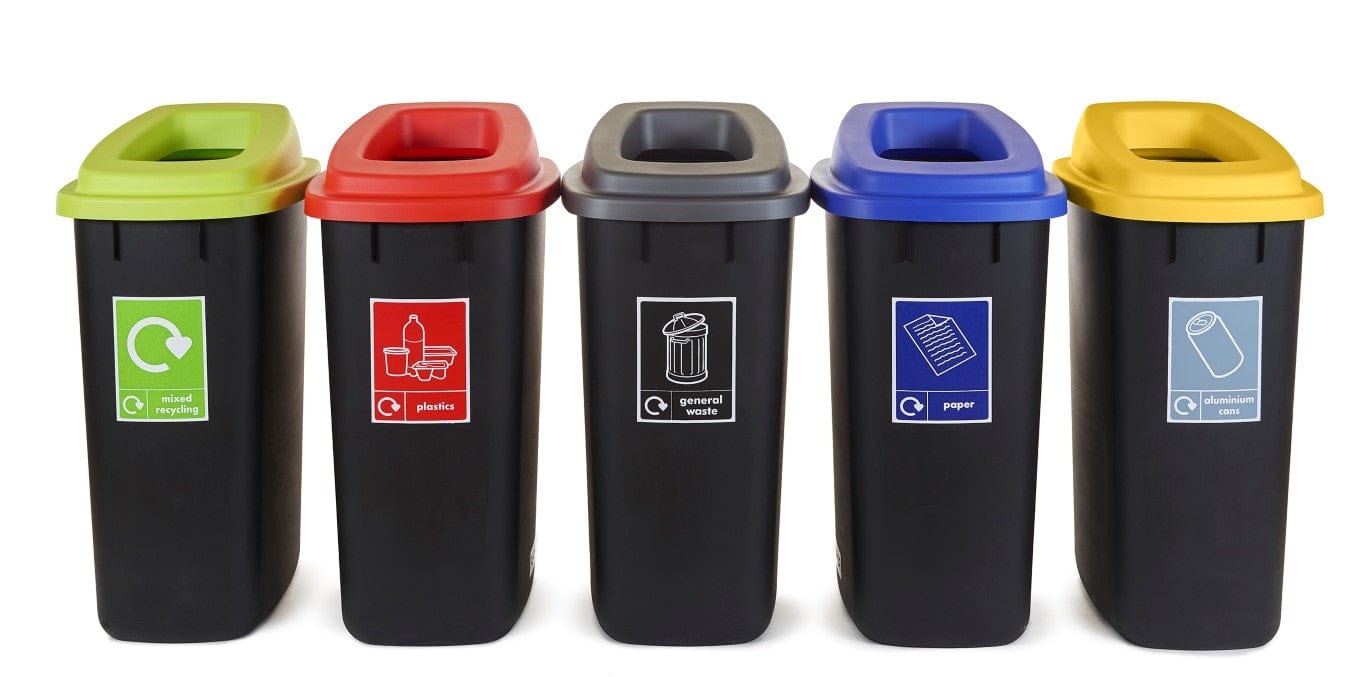
The primary culprit in local sorting disruptions remains thin-film plastic. Bags, bubble wrap, and plastic film frequently tangle in mechanical sorters, necessitating manual intervention that halts the entire facility. Beyond the mechanical strain, hazardous materials like paint, chemicals, and electronics pose direct safety threats, requiring separate disposal channels rather than the standard curbside bin.
Glass also remains a major point of friction. Because it shatters during collection, it contaminates paper and cardboard loads, often rendering them unusable. Dori John emphasizes that residents should redirect these items to designated drop-off stations. Similarly, multi-layered packaging—such as plastic-coated cardboard—is frequently misidentified by residents as recyclable, yet these complex materials cannot be processed by standard equipment and typically end up in landfills.


Comments (0)
No comments yet. Be the first!