
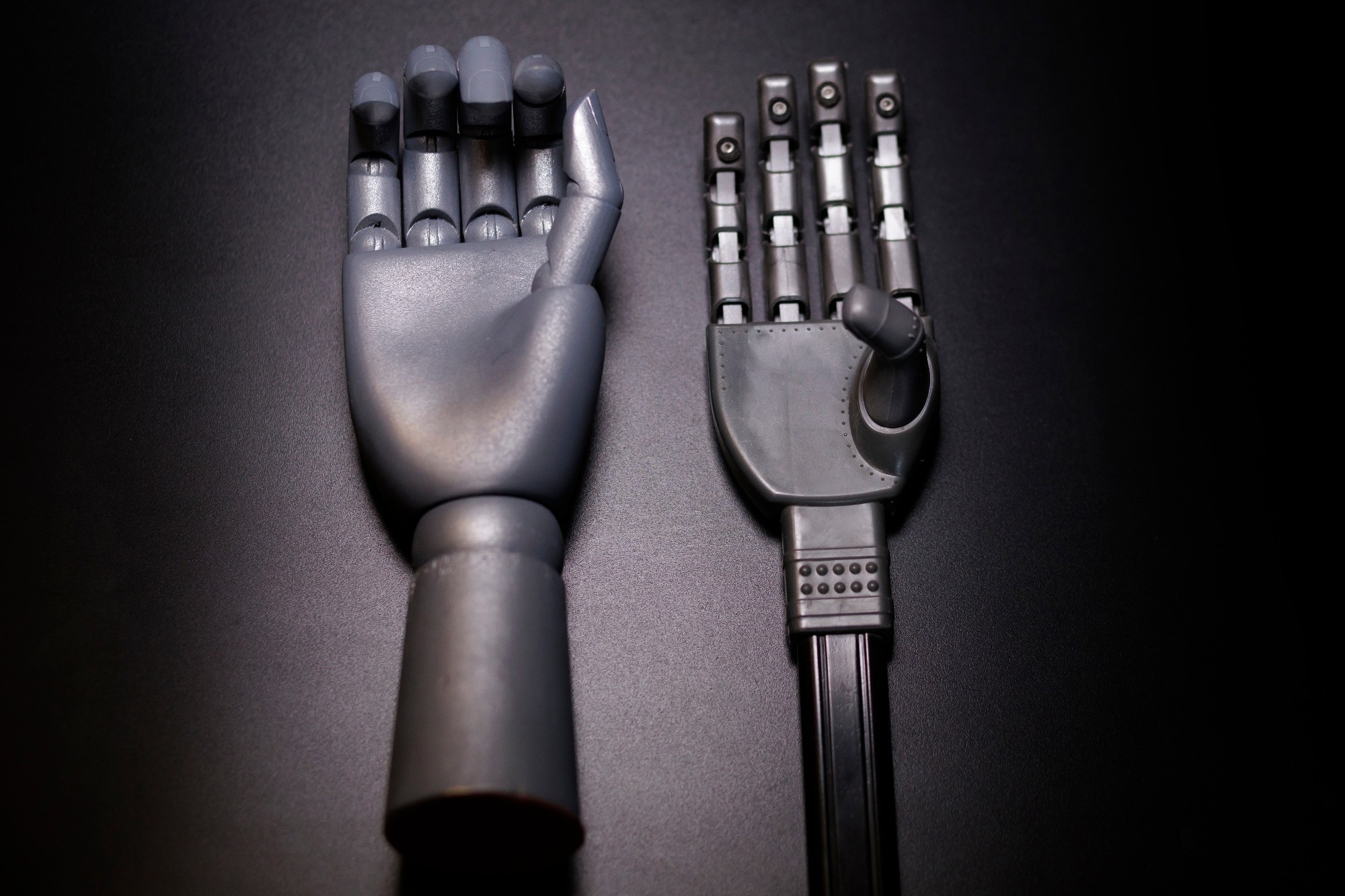
The TactaBot architecture rests on three pillars: the Tacta Hand, a specialized AI engine dubbed Dexterous Intelligence, and a data-gathering interface called the Tacta Glove. Unlike traditional industrial grippers, the Tacta Hand utilizes Fluidic Tendon actuation to manage 15 independently controlled joints. This configuration allows for the precision required to handle delicate electronics or seat connector cables, maintaining performance over millions of factory cycles.
Central to this functionality is a tactile sensor smaller than a grain of sand, capable of detecting forces ranging from 250 to 700,000 pascals. By sampling at 400 times per second, the sensor provides the feedback loop necessary for the AI to replicate nuanced human movements. To train this intelligence, the Tacta Glove records motion, force, and temperature data directly from human workers. This crowdsourced skill set allows the system to adapt to new tasks without the limitations of traditional, non-scalable teleoperation.

Comments (0)
No comments yet. Be the first!